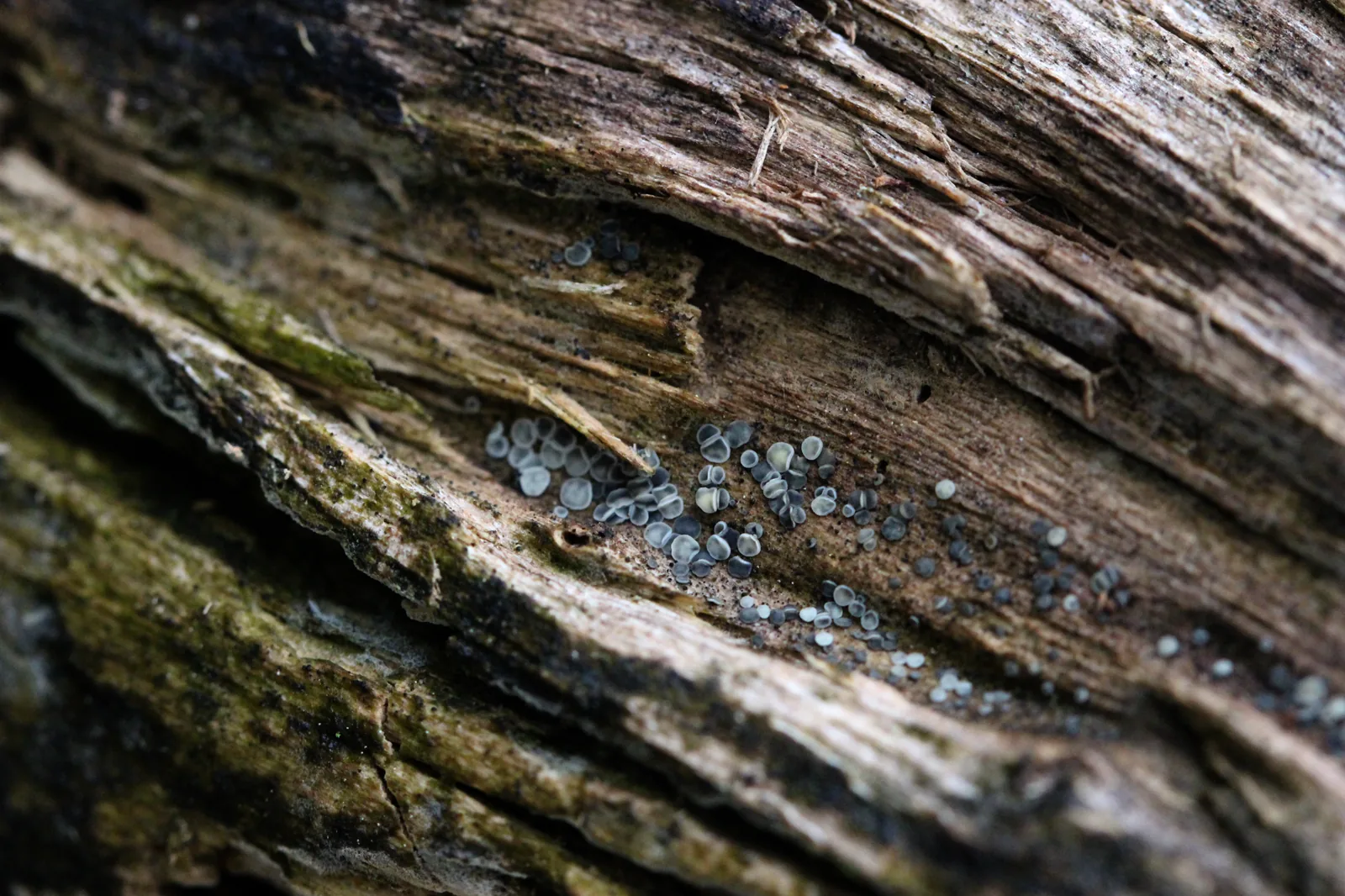
Wood Rot Repair Cost: What Homeowners Actually Pay
Most homeowners pay between $250 and $2,500 for a wood rot repair cost, with the national average hovering around $1,200. A small, caught-early patch of soft window sill might run you $150 in materials on a Saturday afternoon, while replacing an entire load-bearing porch beam or a rotted section of wall framing can push past $3,000 once labor and repainting are in. The wide range comes down to one hard fact about rot: what you can see on the surface is almost never the whole story, and the repair is only as good as the water source you fix behind it.
The good news is that wood rot is one of the most predictable repairs in home maintenance. It doesn’t appear out of nowhere. Water sits, wood stays wet, fungus eats the cellulose, and the timber turns soft and crumbly. If you know where to look and you act before the damage travels into structural members, you can keep most jobs in the low three figures. Wait a season too long and the same repair becomes a carpentry job, a paint job, and sometimes a framing job.
This guide breaks down what wood rot repair cost looks like in real dollars, what drives the price up or down, when a homeowner can handle it with a scraper and a tub of wood filler, and when it’s time to call a carpenter.
How Much Does Wood Rot Repair Cost?
Wood rot repair cost breaks cleanly into three tiers depending on how deep the damage goes and who does the work.
- Surface repair (small trim, sill, or window casing): $50–$400. This is the filler-and-paint zone — scraping out soft wood, hardening what’s left, filling the void, sanding, and repainting.
- Board or section replacement (fascia, door frame, deck board): $200–$1,000. The rotted piece is cut out and replaced with new lumber or, better, rot-resistant trim.
- Structural repair (beams, joists, wall sheathing, subfloor): $1,000–$5,000+. This usually means a carpenter plus disposal, and sometimes a structural assessment before the work starts.
Contractors typically charge between $50 and $100 per hour for rot repair work, and many quote a flat project price once they’ve seen the damage in person. A handyman sits at the bottom of that range; a licensed general contractor or framing carpenter sits at the top.
| Feature | DIY Wood Filler Patch | Pro Wood Replacement | Full Structural Repair |
|---|---|---|---|
| Typical cost | $50–$400 | $300–$1,000 | $1,000–$5,000+ |
| Time to complete | 2–4 hours | Half to full day | 1–3 days |
| Skill level | Beginner-friendly | Intermediate | Professional only |
| Lasts if water fixed | 5–10+ years | 15–30+ years | Decades when done right |
| Best for | Cosmetic rot in trim | Rotted sills, fascia, frames | Load-bearing beams and joists |
Where Wood Rot Happens (and What It Costs to Fix)
Rot is predictable. It shows up in the same handful of places on nearly every house, and each spot carries its own typical repair bill. Knowing these numbers helps you sanity-check any quote you receive.
Window Sills and Door Frames ($150–$600)
Window sills and exterior door frames collect standing water and are the most common rot sites in any home. A rotted sill on a standard double-hung window usually costs $150 to $400 to repair if the rot hasn’t spread into the jamb or the wall behind it. You can buy a pre-made sill replacement or build one up with an epoxy consolidant like Minwax High Performance Wood Hardener paired with Bondo Wood Filler — a combination that runs about $40 in materials and handles most sill-level damage.
Fascia Boards and Trim ($300–$900)
The fascia board behind your gutters takes direct runoff every time it rains, especially where gutters sag or downspouts are missing. Replacing a typical fascia run costs $300 to $900, and the smart move is to use a rot-resistant material the second time around — Azek cellular PVC trim or pressure-treated lumber instead of raw pine. If your gutters are the reason the board rotted, fix the gutter first.
Porch Posts, Beams, and Deck Ledgers ($500–$3,000)
This is where rot stops being cosmetic and starts being structural. A rotted porch post bottom is usually a $200 to $500 repair with a spliced post base. A rotted deck ledger board — the board that anchors your deck to the house — is a serious safety issue that typically runs $800 to $2,500 because the deck section often has to be temporarily supported while the ledger is swapped.

Photo by Vadym Alyekseyenko via Pexels
Factors That Drive Wood Rot Repair Cost Up or Down
Two houses with identical-looking rot can get quotes hundreds of dollars apart. Here’s why.
Depth and Spread of the Damage
A quarter-sized soft spot costs pennies to fix. A soft spot that has quietly consumed the framing behind the siding costs real money. The single biggest price variable is how far the rot extends past what’s visible, which is why honest contractors always open the area up a little before quoting a firm number.
Accessibility
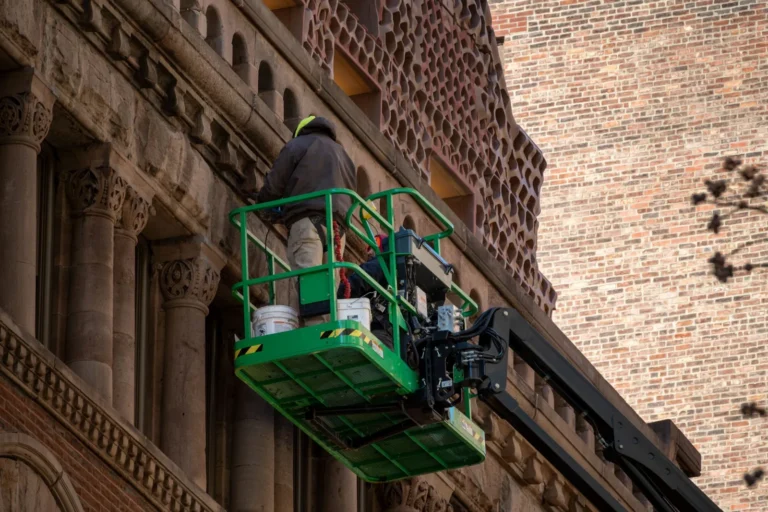
Second-story fascia, rot behind a deck, or a sill under a bay window all add ladder time, staging, and sometimes a helper. Height and awkward access routinely add 20–40% to a repair bill.
Material and Finish Matching
Matching a vintage trim profile or custom-milling a replacement board costs more than slapping in off-the-shelf lumber. Repainting is also usually separate — expect $2 to $6 per square foot to repaint the repaired area so it blends in.
Where You Live
Labor rates in high-cost metros (New York, San Francisco, Seattle) run well above the national figures, while the same job in the Midwest or rural South trends below. The range in this article reflects the US/CA/UK/AU market broadly; get two or three local quotes to anchor your number.
DIY vs. Hiring a Pro
Wood rot repair is one of the few exterior jobs most handy homeowners can genuinely do themselves, provided the rot is surface-level and the source of moisture is obvious and fixable.
Repair it yourself if: the rot is in trim, a sill, or casing; the soft wood is shallow (under about an inch deep); you can reach it from a stable ladder; and you have a weekend. Materials — hardener, filler, a scraper, sandpaper, primer, paint — total $50 to $150.
Call a pro if: the rot is in a structural member like a beam, joist, or ledger; the damage is extensive or you can see daylight through the board; the rot is near electrical or plumbing penetrations; or you’re not comfortable working at height. Structural work done wrong is dangerous, not just unsightly.
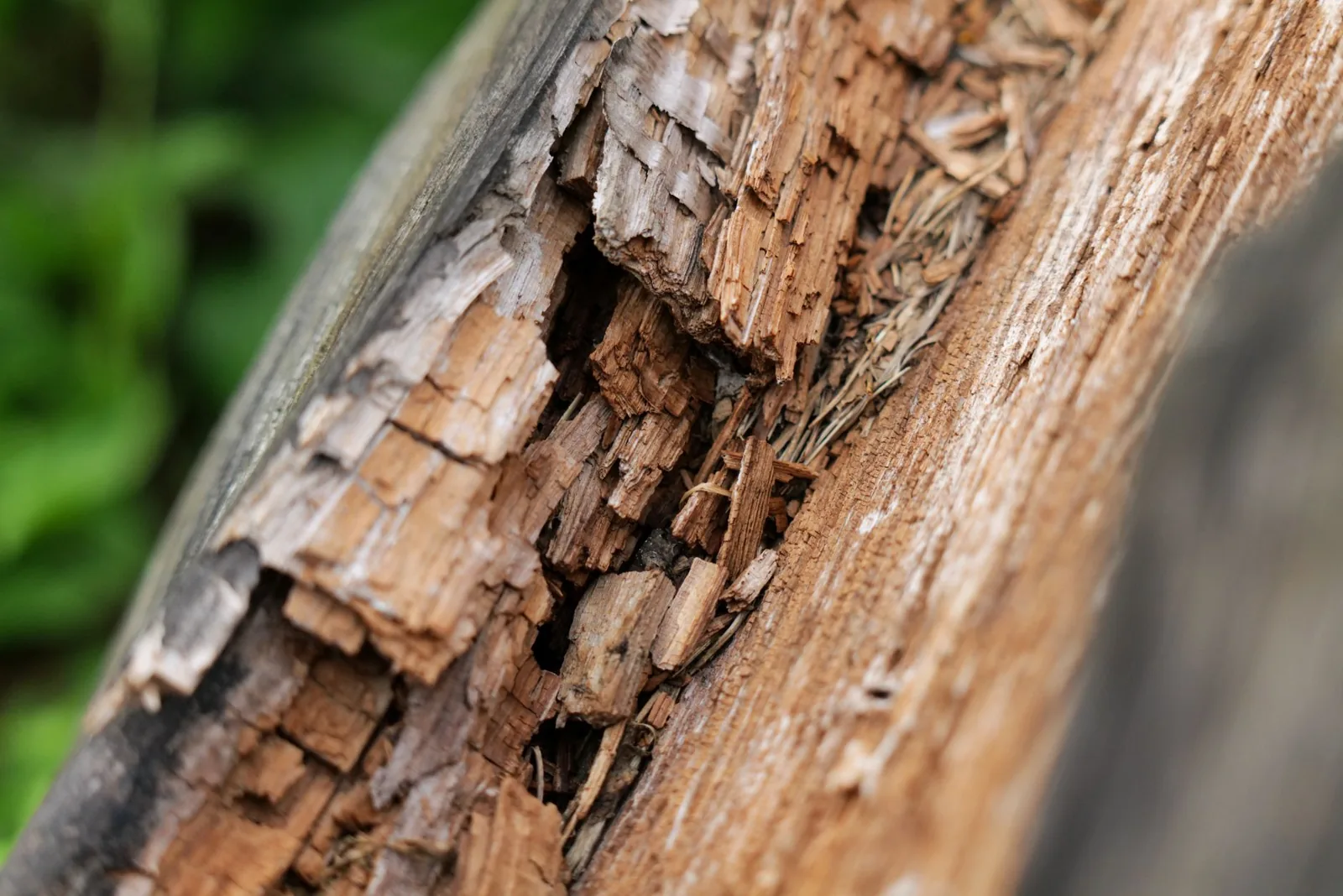
Photo by Vladimir Srajber via Pexels
Either way, the moisture source has to be fixed before the patch goes in. Patch over a leak and you’ll be back on a ladder in a year, but not before the rot spreads into whatever the board was protecting.
How to Repair Wood Rot Step by Step
For the confident DIYer, a standard epoxy or filler repair follows a repeatable sequence. This is the same process a pro uses on small jobs — it just takes a pro less time.
- Find and stop the water. Fix the leaking gutter, reseal the crack, or replace the downspout before touching the wood.
- Excavate the rot. Dig out every bit of soft, darkened wood with a screwdriver, chisel, or oscillating multi-tool until you hit solid, dry timber.
- Treat the good wood. Brush on a liquid wood hardener to consolidate what remains so the filler bonds to something solid.
- Fill and shape. Apply wood filler — epoxy-based for outdoor use — slightly proud of the surface, then sand flush once cured.
- Prime and paint. Outdoor rot repairs fail fastest at the seams; a full prime-and-two-coats finish seals them.
- Keep water away moving forward. A quick pass with exterior caulk where boards meet is the cheapest insurance you’ll ever buy.
If any of those steps sounds beyond your tools or patience, the rest of your weatherproofing still benefits from professional attention — see our guide to how to pressure wash a house before repainting, and check pressure washing cost so you know what a clean surface should run you.
How to Prevent Wood Rot
Prevention is where the real money is saved. Every dollar spent sealing and flashing today is several dollars of wood rot repair cost avoided down the road.
- Keep water off wood. Clean gutters twice a year, extend downspouts, and aim them away from trim and sills.
- Seal gaps as they appear. A $5 tube of quality exterior caulk applied to cracked joints stops water before it soaks in.
- Keep airflow. Rot needs sustained moisture, and moisture needs stillness. Keep soil and mulch off wood siding and ensure crawl spaces ventilate.
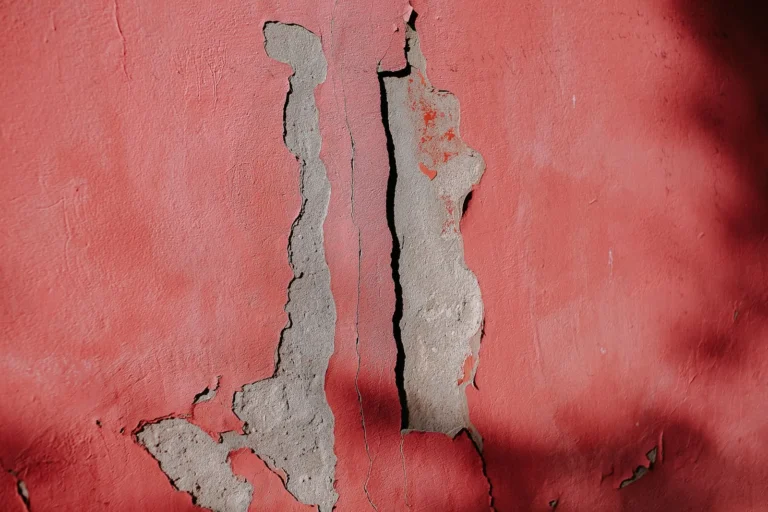
- Repaint on schedule. Paint isn’t decoration on the outside of a house — it’s the waterproof skin. Peeling paint means exposed wood.
- Use rot-resistant materials for replacements. Pressure-treated lumber, cedar, and PVC or composite trim all shrug off the water that kills pine.
Little leaks have a way of becoming big ones. A soft spot behind a downspout is a $50 afternoon if you catch it now and a $900 fascia-and-framing job if you don’t.
Frequently Asked Questions
Is wood rot repair covered by homeowners insurance?
Usually not. Rot is classified as gradual damage from neglect or lack of maintenance, not a sudden event, so standard policies exclude it. If the rot was caused by a covered event — a burst pipe, a storm that tore off siding — you may have a claim, but rot that developed slowly on its own is on you.
How much does it cost to repair dry rot in a house?
Dry rot carries the same labor rates as regular rot, but because it spreads quickly and can travel through solid timber well away from the visible spot, repairs often run $500 to $3,000. The key difference is that all affected wood within reach of the fungus has to be removed, not just the soft spot.
Can I just fill wood rot with wood filler?
You can fill shallow rot, but filler over deep or structural rot is a band-aid. Any rot deeper than about an inch, or in a weight-bearing member, should be cut out and replaced — filler has no structural strength.
How long does a wood rot repair last?
A properly done repair lasts 10 to 30 years if the moisture source was eliminated. A filler patch over an unfixed leak can fail within a single wet season.
Should I replace rotted wood or repair it?
Replace it when the board is structural, the rot covers more than about 20% of the piece, or the edges of the board are gone. Repair (fill and harden) when the damage is shallow, localized, and non-load-bearing.
Photo by Vadym Alyekseyenko via Pexels
The Bottom Line
Wood rot repair cost lands anywhere from a $150 weekend of DIY filler work to a $3,000-plus structural replacement, and the deciding factor is almost always how long the water has been winning. Catch rot when it’s a soft spot on a sill and it’s about the cheapest exterior repair on the list; ignore it until the framing goes soft and you’re paying for carpentry, not just patience.
The two best moves you can make today cost almost nothing: walk the perimeter of your house with a screwdriver in hand, probing sills, trim, and fascia for give, and follow up by reading our guide to weatherproofing windows and doors so the next big storm has nothing to soak in. For the deeper picture on how rot, water, and your foundation interact, see how to waterproof a basement exterior.
Fix the water first, fix the wood second, and paint it like you mean it — and that national-average repair bill will be one you never have to write twice.
For authoritative cost data and step-by-step tutorials, the pros at This Old House and Family Handyman both publish detailed wood rot repair references worth bookmarking.