Attic Insulation Cost: Materials, Labor, and ROI Explained
Most homeowners don’t think about their attic until a utility bill lands hard or a bedroom upstairs stays ten degrees colder than the rest of the house. When that happens, one number usually drives the conversation: attic insulation cost. On a typical 1,000-to-1,500-square-foot attic, you can expect to pay between $1,700 and $3,500 for a professional job, with material-only DIY projects running $400 to $1,600 depending on what you install. The range is wide because the material you choose — fiberglass batts, blown-in cellulose, spray foam, or rigid boards — shifts both the per-square-foot price and the long-term payoff.
This guide breaks down exactly where the money goes, what each material costs per square foot, and how to tell whether an upgrade will actually pay for itself. The goal is a number you can take to a contractor and defend.
What Factors Drive Attic Insulation Cost?
The final price is a function of four things: the material, the square footage, the current state of your attic, and local labor rates.
- R-Value target. Higher R-values mean thicker or denser coverage. Going from R-30 to R-49 in a cold climate can add 25% to 40% to the material bill, but it’s usually the single best energy upgrade you can make in a northern home.
- Attic accessibility. Walk-up attics with flat floors are the cheapest to work in. Low-slope or cramped attics with trusses and shallow clearance slow installers down and can add 20% or more to labor.
- Air sealing prep. A proper job includes sealing penetrations — recessed lights, plumbing vents, top plates — before insulating. Skipping this cuts cost but guts performance, because air leaks carry heat straight through the insulation.
- Old insulation removal. If the existing material is water-damaged, moldy, or full of rodent droppings, removal runs $1 to $2 per square foot on top of the new install.
Material Options and What They Cost
The single biggest decision is which material to install. Here’s how the four common choices compare on a typical project.
| Feature | Fiberglass Batts | Blown-In Cellulose | Spray Foam | Rigid Foam Board |
|---|---|---|---|---|
| Material cost per sq ft | $0.65–$1.20 | $0.90–$1.50 | $1.50–$4.00 | $2.00–$3.50 |
| Installed cost per sq ft | $1.50–$2.50 | $1.50–$2.80 | $3.50–$6.50 | $2.50–$4.50 |
| Typical R-value per inch | R-2.9–R-3.8 | R-3.2–R-3.8 | R-6.0–R-7.0 | R-4.0–R-6.5 |
| Best for | Open, flat attics | Irregular spaces, DIY | Rim joists, air sealing | Basements, kneewalls |
Fiberglass batts are the budget default. You can buy a roll of R-30 at any home center for about $0.65 to $1.20 per square foot, and a careful DIYer can install them in a weekend. The catch is that batts only work well in open, regularly-spaced framing — any gap, compression, or missing section quietly erases performance.
Blown-in cellulose is the most popular pro install because it fills odd cavities and settles into a tight, even blanket. It costs slightly more per bag but installs fast with a blower, and it’s made mostly from recycled paper treated with fire retardant. For a standard attic, it delivers the best balance of price and coverage.
Spray foam is the premium option and runs roughly double to triple the price of cellulose. Closed-cell foam acts as its own air and vapor barrier, which makes it unbeatable in tricky spots like rim joists and vaulted ceilings — but it’s overkill for a simple flat attic where blown-in fiberglass or cellulose gets the job done.
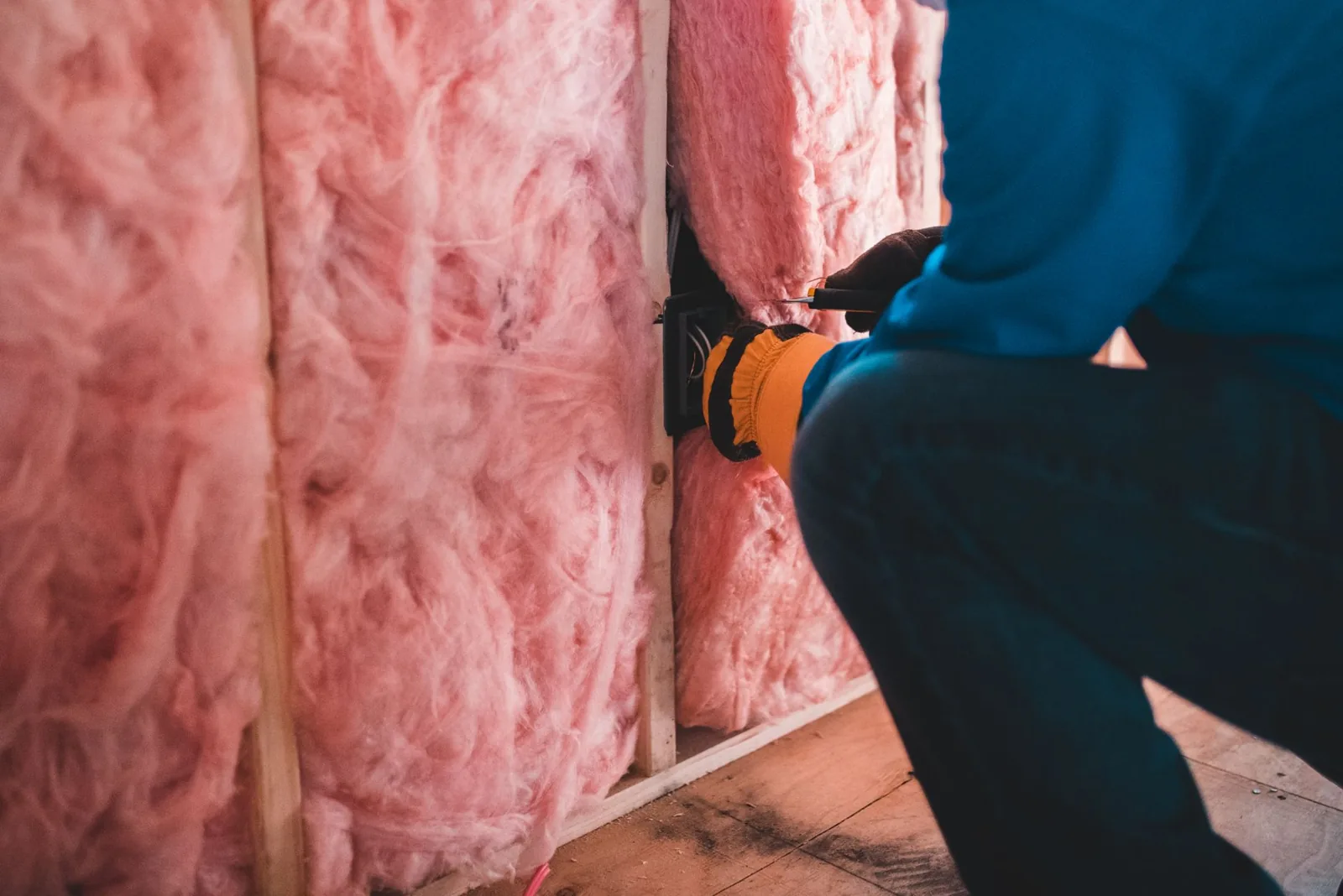
Photo by Erik Mclean via Pexels
Attic Insulation Cost by Project Size
Square footage, not the type of house, is what drives the quote. Here are realistic ballparks for a professional insulation job, including materials and labor.
- 600 sq ft attic: $900–$1,700 (small ranch homes, partial attics)
- 1,000 sq ft attic: $1,500–$2,800 (typical single-story, 3-bedroom home)
- 1,500 sq ft attic: $2,200–$4,200 (two-story and larger ranch homes)
- 2,000+ sq ft attic: $3,000–$5,500 (large or cathedral-ceiling homes)
If you’re topping up existing insulation rather than starting from scratch, expect to pay toward the lower end of these ranges. Adding six to ten inches of blown-in cellulose over an existing R-19 layer is one of the cheapest, highest-return projects in home improvement — often under $1,500 all-in.
DIY vs. Hiring a Pro
Blown-in installation is the classic case where renting the machine tips the scale. Most home centers let you rent a blower for free when you buy enough bags, and a two-person crew can insulate a 1,000-square-foot attic in a day.
- DIY blown-in cellulose: $400–$1,000 (materials only, blower rental often free with purchase)
- DIY fiberglass batts: $300–$800 depending on R-value and square footage
- Pro installation: $1,500–$3,500, which bundles materials, labor, air sealing, and disposal
The DIY route is genuinely viable for flat attics with easy access and no existing damage. Where it falls apart is anything involving spray foam (specialized equipment and dangerous off-gassing), old insulation removal, or an attic with wiring and ductwork that needs careful work-arounds. Those jobs are worth paying a licensed contractor with proper respirators and liability insurance.
Does the Upgrade Pay for Itself?
Yes — and rarely as fast as the sales figures suggest. The EPA estimates properly air-sealing and insulating an attic can cut heating and cooling costs by about 15%, and ENERGY STAR pegs the return on attic air sealing and insulation at up to 10% in annual energy savings. The real-world payback window typically lands between three and seven years, depending on your climate and local rates.
Where the math really works in your favor:
- Cold-climate homes see the fastest payback because the attic is the single largest heat-loss surface.
- Homes with no existing attic insulation recoup costs far quicker than homes merely topping up.
- Utility and utility-backed rebates can knock 10% to 30% off the project. Check the Database of State Incentives for Renewables & Efficiency (DSIRE) for local programs before you sign a contract.
Photo by Jeswin Thomas via Pexels
How to Get an Accurate Quote
Quotes vary wildly on the same house because contractors measure differently. Protect yourself by insisting on specifics.
- Ask for the R-value target in writing, not just “a layer of insulation.”
- Require the quote to specify square footage and insulation depth in inches.
- Confirm whether air sealing is included in the price or billed separately.
- Get the material name and manufacturer — Owens Corning, Johns Manville, and Greenfiber are the big three — so you can compare apples to apples.
A reputable contractor will walk the attic first and flag issues like existing moisture damage, insufficient ventilation, or knob-and-tube wiring that changes the scope. If someone quotes a flat number without ever looking at the attic, keep shopping.
Frequently Asked Questions
How much does attic insulation cost per square foot?
Installed attic insulation runs about $1.50 to $4.50 per square foot, depending on material. Blown-in cellulose and fiberglass sit at the lower end, while spray foam and rigid board land at the top. Materials alone are usually $0.65 to $2.00 per square foot.
Can I install attic insulation myself?
Yes, for flat, accessible attics using blown-in cellulose or fiberglass batts — most stores rent the blower free with a materials purchase. Skip DIY if the job involves spray foam, removing old insulation, or working around wiring and recessed lighting, which carry fire and air-quality risks.
How much insulation does my attic need?
The Department of Energy recommends R-49 to R-60 for most attics in cold climates and R-30 to R-49 in mild climates. That works out to roughly 13 to 18 inches of blown-in fiberglass or cellulose. You can find your zone on the ENERGY STAR insulation map.
Does attic insulation help in summer?
Yes. Insulation slows heat transfer in both directions, so it keeps conditioned air in during winter and attic heat out during summer. That’s why attic insulation improves comfort and cooling bills year-round, not just in cold weather.
How long does attic insulation last?
Cellulose and fiberglass can remain effective for 40 to 80 years if they stay dry and uncompressed, though fiberglass batts lose effectiveness faster if they get shifted or matted down. Spray foam and rigid board can essentially last the life of the home. The most common reason for early replacement is moisture damage or animal intrusion, not age.
The Bottom Line
Attic insulation cost is one of the few home expenses that genuinely pays its own way. Budget $1,500 to $3,500 for a professional job on a typical attic, or $400 to $1,000 to do it yourself with blown-in cellulose. The material matters less than the coverage — a sealed, evenly filled attic at R-49 beats expensive spray foam installed over a leaky, unsealed ceiling every time.
Once the attic is sorted, tighten up the rest of the home’s thermal envelope. Check our guide to weatherstripping windows and doors to stop drafts at the frame, read up on exterior caulking to seal gaps around siding and trim, and watch for wood rot repair costs if you spot moisture damage during the work. A properly insulated and sealed home is the closest thing home improvement gets to a guaranteed return.