Paver Walkway Ideas That Instantly Upgrade Your Curb Appeal
A well-built paver walkway does more than get you from the sidewalk to the front door without stepping in mud. It sets the tone for the whole property, and it is one of the few exterior projects that pays you back twice: once in how the house looks from the curb, and again when a buyer walks the path and it feels solid underfoot. If you are hunting for paver walkway ideas that fit a real budget and a real yard, you are in the right place.
The good news is that pavers are genuinely forgiving for a homeowner. Unlike a poured concrete slab that cracks as one continuous piece, a paver walkway is built from thousands of small units that flex independently. That means freeze-thaw cycles, tree roots, and settling soil do not ruin the whole job the way they crack a slab. It also means you can build it in stages, one weekend at a time.
Below I have laid out the materials, layouts, and costs that matter most, plus a straight answer on whether to do it yourself or hire it out.
Best Materials for Paver Walkways
Before you land on a pattern, you need to pick what the walkway is made of. The material drives both the look and the price, so it is worth a few minutes of thought up front.
| Feature | Concrete Pavers | Clay Brick | Natural Stone | Porcelain Pavers |
|---|---|---|---|---|
| Cost per sq ft (installed) | $10–$20 | $12–$22 | $18–$35 | $20–$40 |
| Durability | High | High | Very high | Very high |
| Color options | Huge | Limited (reds/browns) | Natural earth tones | Wide, modern |
| DIY-friendly | Yes | Yes | Moderate | Moderate |
| Slip resistance | Good | Good | Excellent (when textured) | Varies by finish |
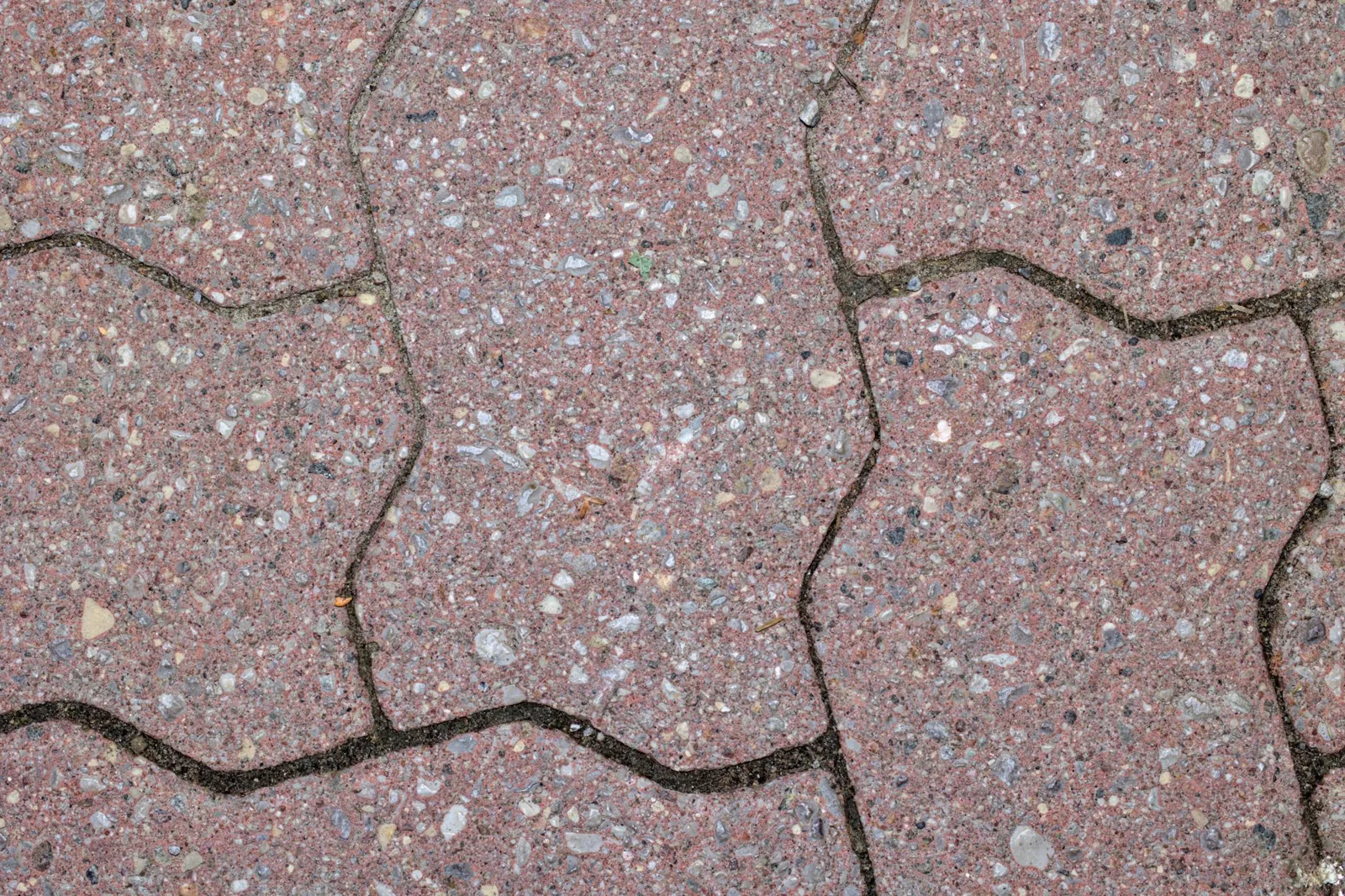
- Concrete pavers are the workhorse. Brands like Unilock, Belgard, and Pavestone sell them in enough shapes and colors that you can mimic stone without paying for it. A 4-by-30-foot walkway in concrete pavers typically runs $1,200 to $2,400 installed.
- Clay brick reads classic and colonial. Real brick costs a bit more and has fewer color choices, but it weathers beautifully and hides dirt well.
- Natural stone — bluestone, flagstone, travertine — is the premium option. It is the most expensive and the hardest to lay flat, but nothing else matches its texture under a bare foot.
- Porcelain pavers are the newcomer. They are dense, fade-proof, and impervious to stains, but they need a thicker, more precise base than concrete or brick.
Whichever you choose, budget for a proper base. A walkway is only as stable as the 4 to 6 inches of compacted gravel underneath it.
Paver Walkway Ideas by Layout and Pattern
Once you know the material, the pattern is where a basic walkway becomes something that looks designed. These are the layouts that hold up best over time.
Straight and Gridded
A grid of square or rectangular pavers set in clean rows is the most traditional look and the easiest to lay. It suits ranch homes, colonials, and any house with strong horizontal lines. Keep the joints tight and the lines square, and the whole thing reads as intentional rather than default.
Running Bond and Herringbone
Running bond is brickwork’s classic offset pattern — each row starts half a paver over from the one below. Herringbone is more complicated and more stable: the pavers interlock at 45-degree angles, which locks the surface together against shifting. If the walkway will carry a wheelbarrow or a car wheel over its edge, herringbone is worth the extra cuts.
Curved and Winding
A gentle S-curve softens a boxy yard and makes a short walk feel longer. Curves cost more in cuts, but they hide a completely straight lot line and draw the eye toward the entry. Plan the radius generously — a sharp kink is hard to cut and harder to walk.
Bordered Walkway
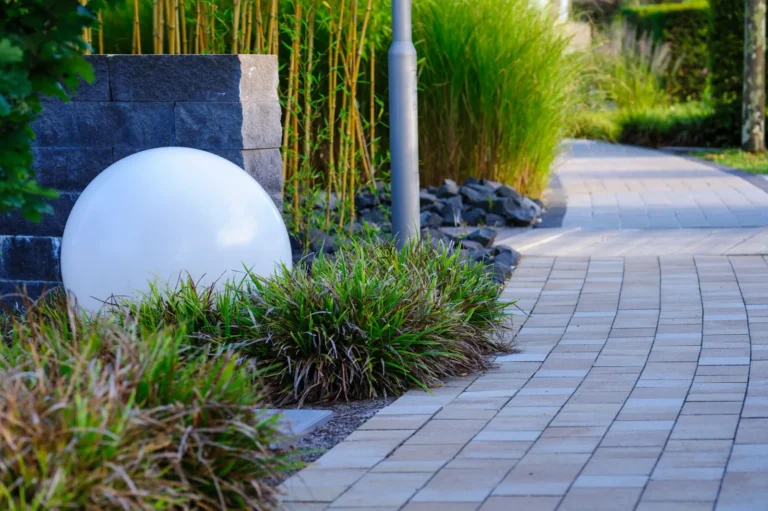
A contrasting border band, usually one paver wide in a darker color, frames the field and finishes the edges. It is the single cheapest way to make a plain run of pavers look custom. A border also gives you a crisp line to cut against on the outside edge.
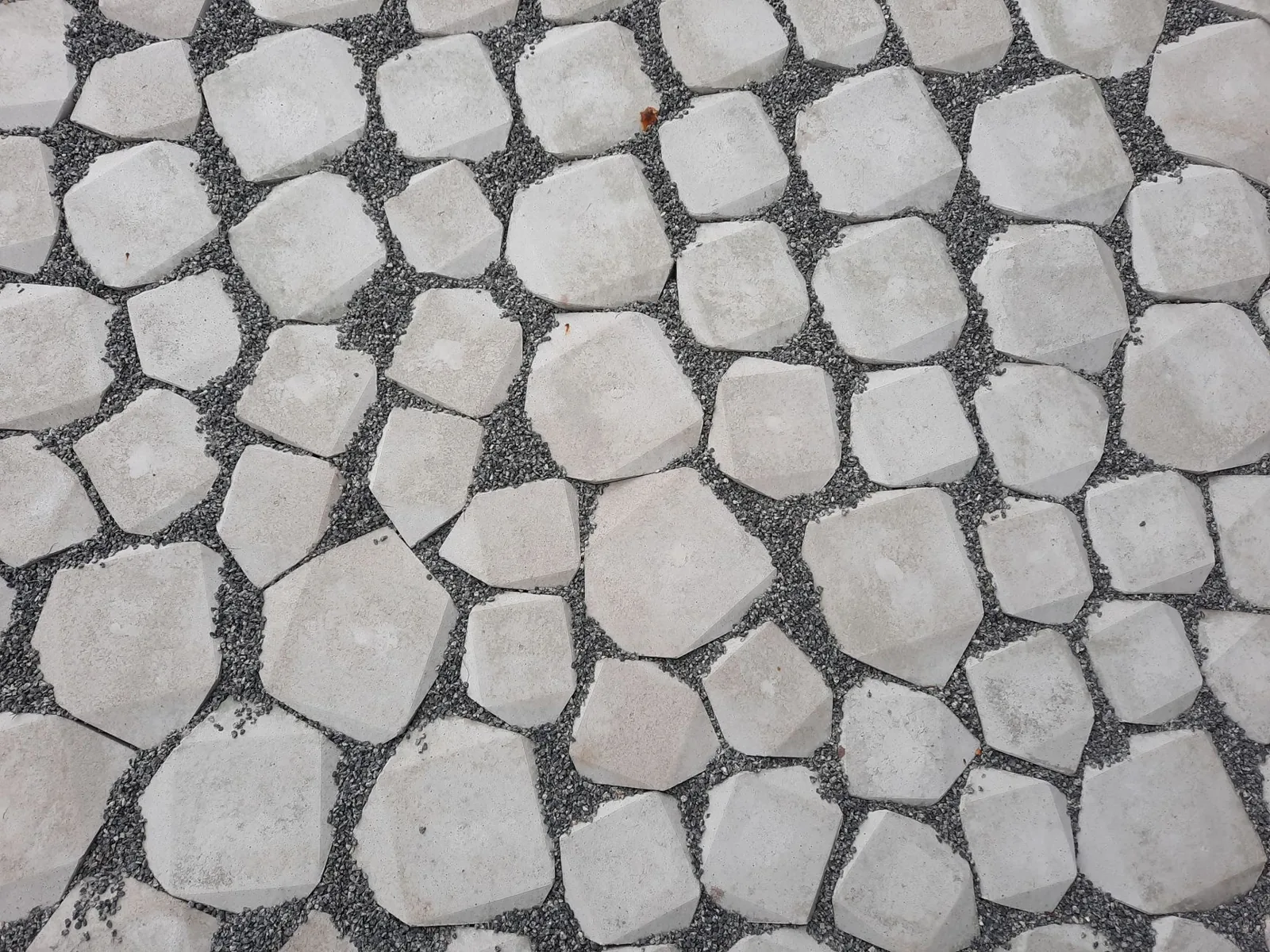
Photo by Timothy Huliselan via Pexels
Front Yard Walkway Designs That Add Curb Appeal
The front walk is what appraisers and buyers see first, so this is where a little design thinking pays off. A few ideas that consistently raise the look of a front yard:
- Widen the walk at the landing. A 3-foot path that flares to 5 or 6 feet at the front steps creates a welcoming entry point and gives two people room to walk side by side.
- Tie the walk to the driveway. Run a narrow paver path from the driveway to the front door so guests do not have to walk on the lawn.
- Add low-voltage lighting. Stepping-stone or well lights along the edges cost little and make the walkway safe and obvious after dark.
- Match the paver tone to the house. A warm gray or buff paver usually complements brick and stone facades better than a stark gray concrete block.
On a typical front walk of 40 to 60 square feet, a border and a landing flare might add only a few hundred dollars — and that is where most of the visible difference comes from.
Backyard and Garden Path Ideas
Backyard paths work harder than front walks. They take foot traffic, garden carts, and the occasional lawn mower, so build them a touch wider and plan the base deeper.
Stepping-Stone Garden Path
Large flagstone or 24-inch concrete steppers set into a bed of gravel or ground cover is the classic cottage-garden look. Space the stones for a natural stride — centers about 24 inches apart — and let thyme, moss, or dwarf mondo grass fill the gaps. This is the cheapest path to build and the easiest to change later.
Functional Side-Yard Run
The path from the gate to the backyard gets muddy fast. A straight, tight-jointed run of concrete pavers on a compacted base turns a mess into a clean, hose-it-down surface. Make it at least 3 feet wide so a wheelbarrow or trash bins roll through without clipping the house.
Paver-and-Gravel Combo
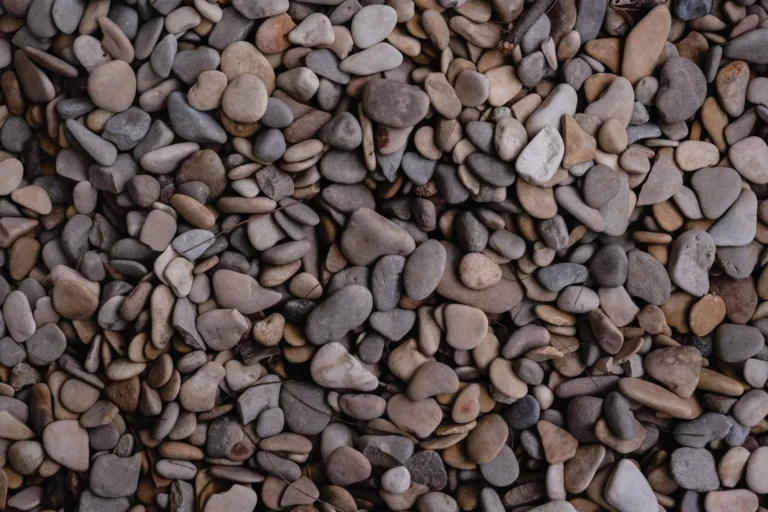
Laying pavers in a bed of crushed gravel gives you drainage and texture without the full sand-and-joint work of a formal walk. It suits casual, low-maintenance yards and blends well with drought-tolerant planting.
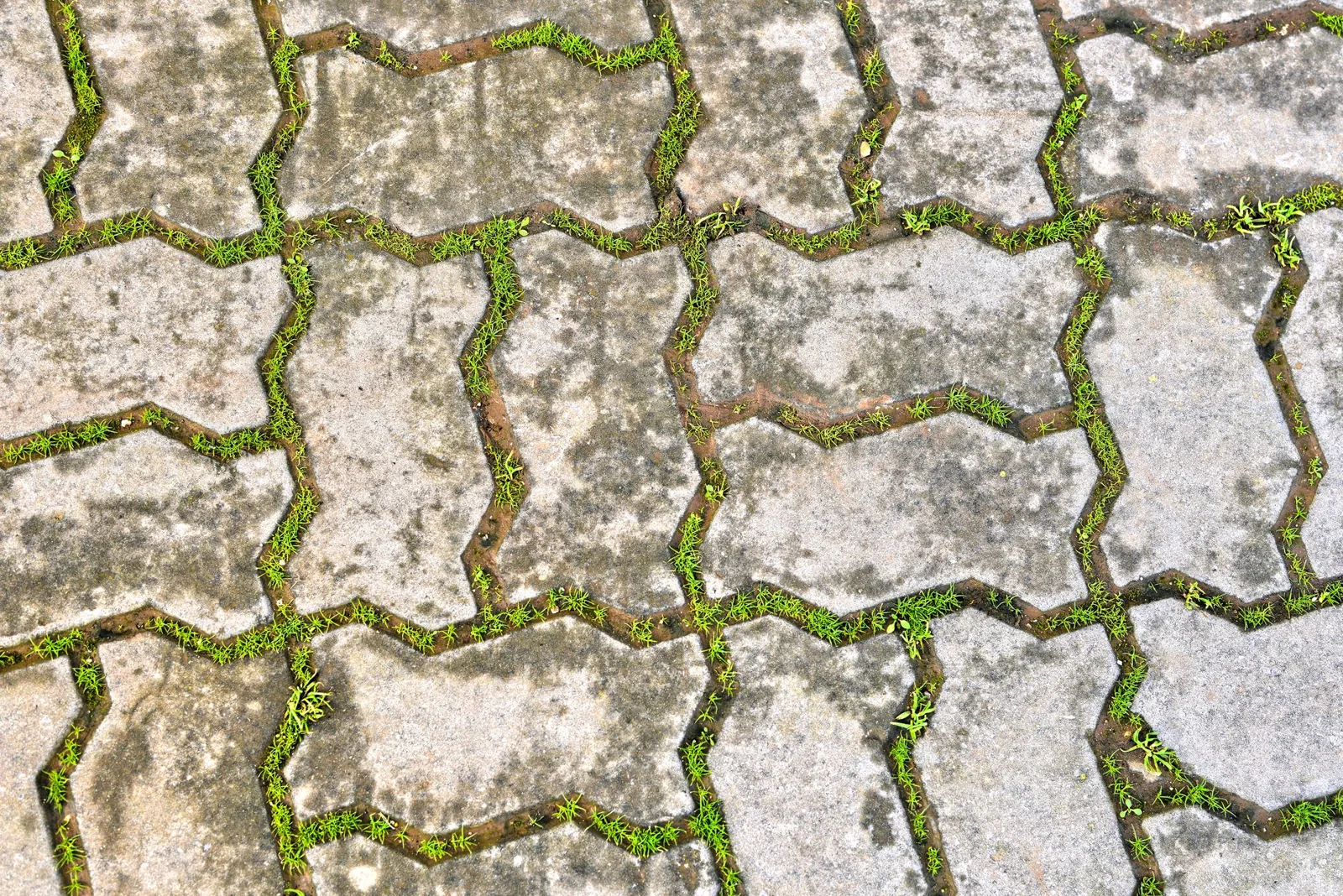
Photo by Moussa Idrissi via Pexels
If the surrounding planting needs a rethink, pairing this with xeriscaping ideas for a front yard or a broader set of hardscaping ideas for a backyard keeps the path from looking out of place.
What a Paver Walkway Costs
Total cost follows a simple formula: materials plus base plus labor. Here is how a typical 4-foot-wide by 30-foot-long walkway (120 square feet) breaks down.
Materials
Concrete pavers run roughly $3 to $8 per square foot at the home center, brick $5 to $9, and natural stone $10 to $20 before the base. Add 5 to 10 percent for waste and cuts.
Base and Bedding
Figure on 4 to 6 inches of compacted crushed stone plus 1 inch of leveling sand. Base materials are cheap — often under $1 per square foot — but they are the difference between a walkway that stays flat for 15 years and one that sinks in two.
Labor
Professional installation usually runs $10 to $20 per square foot all-in for concrete pavers, which puts the 120-square-foot walkway above in the $1,200 to $2,400 range. Natural stone and porcelain push the same job to $3,000 or more. Expect to pay toward the top of the range for curves, borders, and demolition of an old concrete path.
For context on how the numbers sit within a bigger project, landscaping cost per square foot breaks down what a full yard renovation runs these days.
How to Build a Paver Walkway
If you want to save the labor cost, a paver walkway is a realistic DIY project. The sequence is more important than the speed.
- Mark and excavate. Dig out the path to a depth of 7 to 8 inches and slope it away from the house by about 1/4 inch per foot.
- Compact the base. Add 4 to 6 inches of crushed stone in lifts, tamping each lift with a plate compactor.
- Screed the sand. Spread 1 inch of leveling sand over the base and screed it flat with a board.
- Lay the pavers. Set the pavers in your pattern, keeping lines straight and leaving consistent joints.
- Cut and edge. Cut the outside pieces to fit, then install plastic or metal edging along the sides.
- Compact and fill. Sweep polymeric sand into the joints, compact again, and mist lightly to set the sand.
The one step amateurs skip is compaction. Rent a plate compactor rather than hand-tamping — it costs about $60 for a day and is the reason the walkway does not wobble after the first winter.
Frequently Asked Questions
How much does a paver walkway cost per square foot?
Installed, concrete pavers run $10 to $20 per square foot, brick $12 to $22, and natural stone $18 to $35 or more, including the base and labor. DIY cuts roughly in half by removing the labor.
What is the best paver for a walkway?
Concrete pavers are the best all-around choice for most homeowners — durable, affordable, and available in a huge range of colors and shapes. Choose natural stone only if the budget allows and you want the premium look.
How long does a paver walkway last?
A properly built concrete or brick walkway on a compacted base lasts 25 to 50 years, and individual pavers can be lifted and replaced without disturbing the rest. The base matters more than the paver for longevity.
Is a paver walkway better than concrete?
For most climates, yes. Pavers flex with freeze-thaw movement and settle on their own, so they resist cracking far better than a monolithic slab. You also get patterns and colors that poured concrete cannot match without stamping.
Can I lay pavers directly on dirt?
No. Laying pavers on bare soil guarantees sinking and weeds within a season or two. You need a compacted crushed-stone base and a sand bed, as described above. This Old House has a step-by-step paver installation guide worth reviewing before you dig.
The Bottom Line
Paver walkway ideas come down to three decisions: the material, the pattern, and who does the work. Pick a durable material you can afford, choose one or two design moves — a border, a curve, a flared landing — instead of trying to do everything, and build the base properly whether you lay it yourself or hand it to a contractor.
A straight, well-built concrete paver walk can be finished in a weekend for well under $1,500 in materials, and it will outlast several repaintings of the front door it leads to. For more on planning the rest of the yard around it, start with our garden path ideas guide and a look at hardscaping ideas for your backyard.