Native Plants for Landscaping: A Complete Guide to a Resilient, Low-Maintenance Yard
A yard planted with native plants for landscaping looks good, but that is the least of what it does. The right natives slash your water bill, feed bees and butterflies, and after the first season or two ask for almost nothing in return. For homeowners tired of fertilizing, watering, and mowing a lawn that fights the local climate, switching to natives is one of the highest-value changes you can make outdoors.
This guide covers why natives work, how to pick the right ones for your region, what they actually cost, and how to plant them so they survive. By the end you’ll have a concrete plan for a lower-maintenance, lower-cost yard that looks better with every passing season.
Why Native Plants for Landscaping Make Sense
Native plants are the species that evolved in your region over thousands of years. They are built for your rainfall, your soil, and your temperature swings, which means they need far less help from you to thrive. That built-in fit produces real, measurable savings and a healthier yard:
- Lower water use. Established natives rarely need irrigation beyond a dry spell. Homeowners who replace turf with natives commonly cut outdoor water use by 50 to 80 percent, depending on the region.
- No fertilizer, no pesticides. Natives grow fine in average local soil. They have natural defenses against local pests, so you can drop the chemical routine entirely.
- Free wildlife support. Native bees, butterflies, and birds co-evolved with these plants. A stand of purple coneflower or milkweed feeds pollinators a non-native shrub never will.
- Deep roots that do the work. Prairie and woodland natives often send roots 6 to 15 feet down, anchoring soil, absorbing runoff, and breaking up compacted ground better than any shallow-rooted lawn grass.
- Less mowing, less maintenance. Once established, most natives need a single cleanup pass per year instead of a weekly mow.
None of this requires giving up a tidy, intentional look. Native gardens range from formal to meadow, and plenty of natives stay compact and well-behaved with zero pruning.
Choosing the Right Native Plants for Your Region
The single biggest mistake people make is buying plants labeled “native” without checking whether they are native to your region. A plant native to Florida is not native to Minnesota, and neither is native to the UK or Australia. Start with these three checks:
- Find your USDA hardiness zone (or your local equivalent outside the US) so you pick plants that survive your winters.
- Match sun, soil, and moisture. A woodland fern will not handle full sun, and a prairie grass will sulk in wet clay. Match the plant to the actual conditions in each part of your yard.
- Confirm true nativity. “Wildflower” and “native” are not the same thing. Look for the species’ natural range, not just a pretty label.
A few reliable regional picks to get you started:
- Northeast and Midwest US: purple coneflower (Echinacea purpurea), black-eyed Susan (Rudbeckia hirta), butterfly milkweed (Asclepias tuberosa), little bluestem (Schizachyrium scoparium), wild columbine (Aquilegia canadensis).
- Southeast US: coreopsis, bee balm (Monarda), oakleaf hydrangea (Hydrangea quercifolia), and switchgrass (Panicum virgatum).
- Southwest and California: California poppy (Eschscholzia californica), penstemon, ceanothus, and manzanita.
- Pacific Northwest: sword fern (Polystichum munitum), Oregon grape (Mahonia aquifolium), and salal (Gaultheria shallon).
- Canada (southern zones): many northern-US natives overlap here, including echinacea, black-eyed Susan, Joe Pye weed (Eutrochium), and Canada anemone (Anemone canadensis).
- UK: hawthorn (Crataegus monogyna), foxglove (Digitalis purpurea), bluebell (Hyacinthoides non-scripta), primrose (Primula vulgaris), and field maple (Acer campestre).
- Australia: kangaroo paw (Anigozanthos), grevillea, banksia, bottlebrush (Callistemon), and lomandra.
Your local native plant society, a nearby botanic garden, or the Lady Bird Johnson Wildflower Center’s online database (for US readers) are the best free sources for a tailored list.
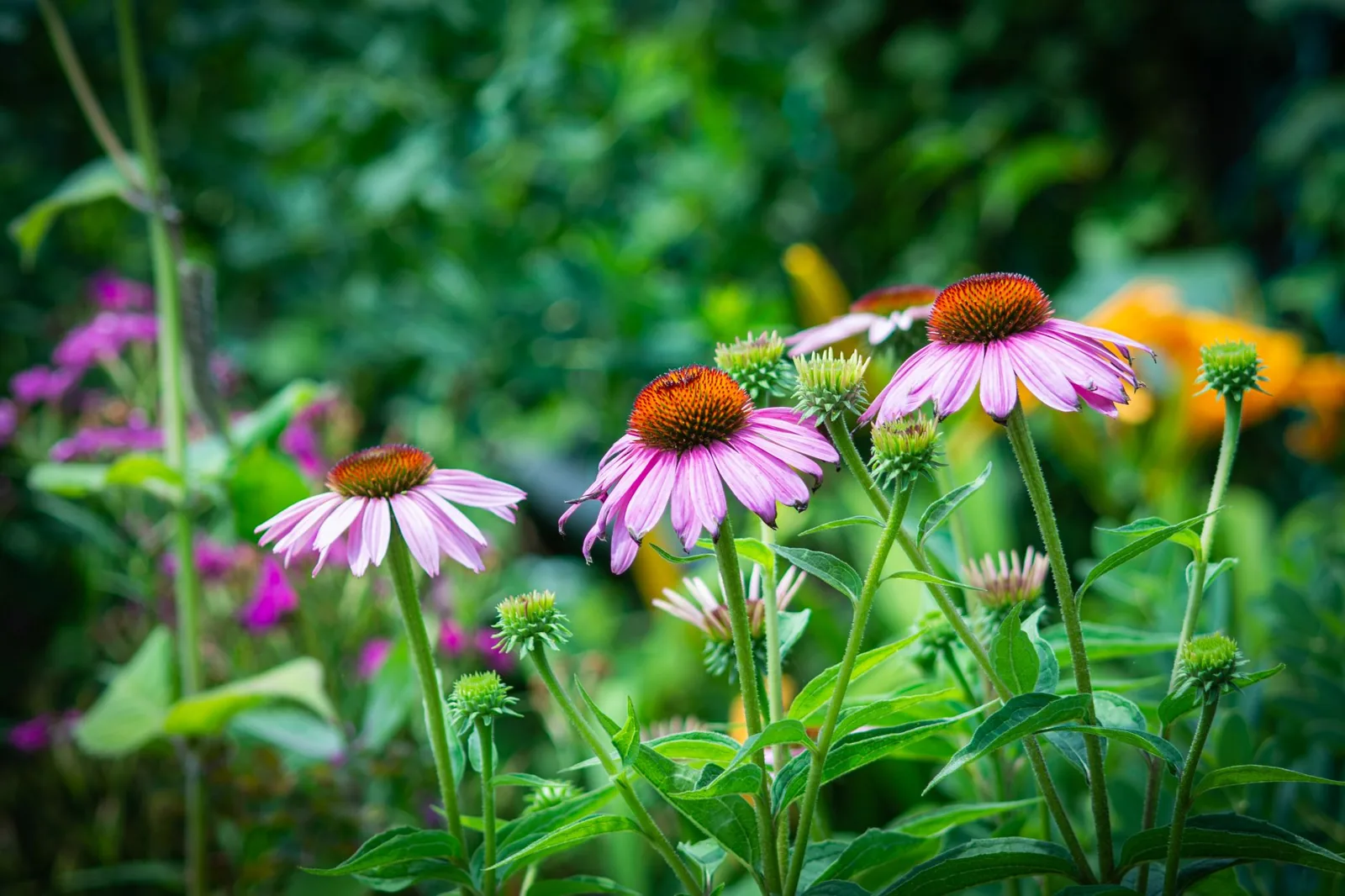
Photo by Oscar Lopez via Pexels
Planning a Native Plant Landscape
You do not have to tear out the entire lawn at once. The homeowners who succeed with natives usually start with one manageable bed and expand as plants establish. Before you buy a single plant, decide on the shape of the space and how it will be maintained.
Layer for a Natural Look
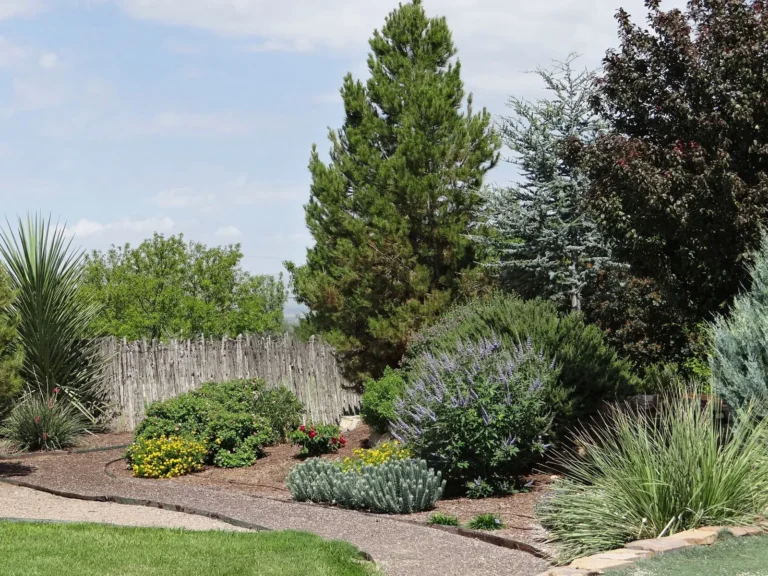
Think in three layers. Tall grasses and structural plants form the back or center, mid-height flowering perennials fill the middle, and low groundcovers or spreading species edge the front. This layering reads as intentional rather than weedy, and it gives you room to mix bloom times so something is flowering from spring through fall.
Group Plants by Water Needs
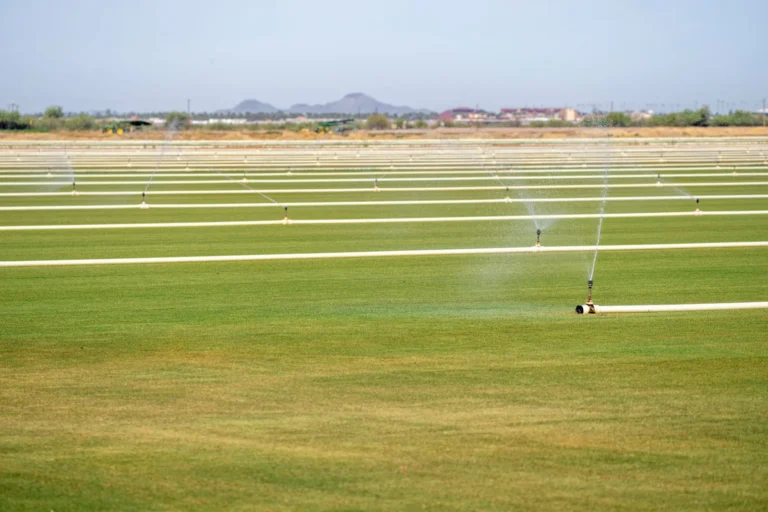
Put the drought-tolerant species together and keep moisture-loving natives in their own area. This is the same principle behind any efficient irrigation design, and it means you can water one small zone during dry spells while the rest of the yard fends for itself.
Budget-wise, plan on $4 to $12 per plug or quart-sized plant, or $10 to $25 for a one-gallon perennial. A 100-square-foot bed planted at roughly one plant per square foot typically lands between $300 and $800 in plants alone. For a sense of how that compares to other hardscape-heavy projects, see our breakdown of landscaping cost per square foot.
How to Plant and Establish Natives
The first growing season is where most native plantings are won or lost. New plants have small root systems, so they need consistent moisture to settle in even though the species is drought-tolerant as an adult.
- Plant in fall or early spring. Cool weather and natural rainfall reduce transplant stress. Fall planting gives roots a head start before the next summer’s heat.
- Water deeply for the first season. Give new plants a thorough soak at planting and about an inch of water a week for the first month, tapering off as roots establish. By year two, most natives need no supplemental water at all.
- Skip the fertilizer. Rich soil and nitrogen push weak, floppy growth that attracts pests. Natives want lean soil.
- Mulch lightly. A two-to-three-inch layer of shredded bark or leaf mulch keeps roots cool and holds moisture. Keep it an inch or two back from the stems.
- Be patient with seed and plugs. Native perennials famously “sleep, creep, and leap.” They look quiet the first year, fill in the second, and take off in the third.
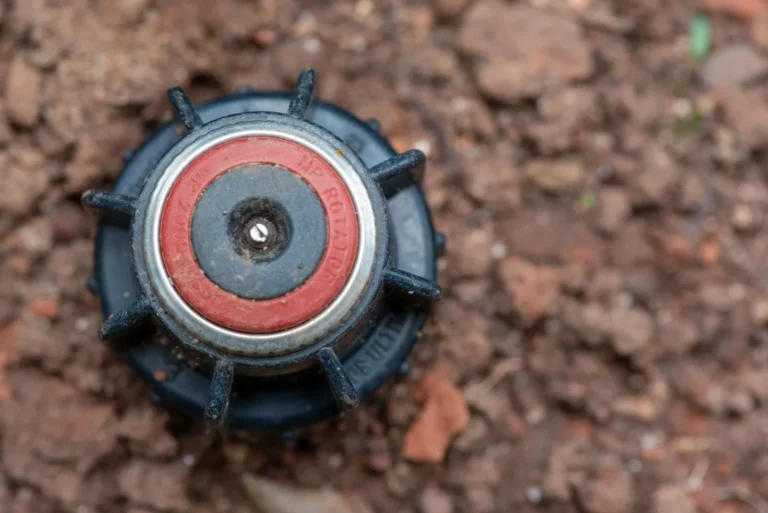
If you want to hand-water during establishment rather than run a full system, a simple setup is cheaper than you might think. Our guide to irrigation system cost walks through the options, and the comparison of drip irrigation vs. a sprinkler system explains which makes sense for a young native bed.
Photo by ROMAN ODINTSOV via Pexels
Native Plants vs. a Traditional Lawn: Costs and Labor
The clearest way to see the value of natives is to line them up against the turf they usually replace. The table below compares a typical cool-season lawn with a planted native bed over the same area.
| Feature | Traditional Lawn | Native Plant Bed |
|---|---|---|
| Establishment cost | $0.50–$1.50 per sq ft (sod) | $3–$8 per sq ft (plugs/perennials) |
| Water after year one | Frequent irrigation in many regions | Little to none |
| Fertilizer and chemicals | Regular applications | None |
| Maintenance | Weekly mowing, edging, aeration | One annual cleanup pass |
| Wildlife value | Very low | High (pollinators, birds) |
| Long-term cost trend | Ongoing every season | Falls close to zero after year three |
The honest trade-off is upfront cost. A native bed costs more to install than rolling out sod, because you are buying individual plants. But that investment is front-loaded: after establishment, the lawn keeps charging you every week while the native bed pays for itself in saved water, fertilizer, and mowing time.
Low-Maintenance Native Plants for Landscaping
If your goal is a yard that mostly takes care of itself, a few species stand out for being tough, tidy, and widely adaptable:
- Purple coneflower (Echinacea purpurea): long-blooming, drought-tolerant, and beloved by goldfinches. Deadheading is optional.
- Black-eyed Susan (Rudbeckia hirta): bright summer color, self-seeds lightly, and shrugs off heat.
- Little bluestem (Schizachyrium scoparium): an ornamental grass with striking fall color that needs no watering or mowing.
- Switchgrass (Panicum virgatum): tall, upright structure that anchors rain gardens and tolerates both wet and dry spells.
- Butterfly milkweed (Asclepias tuberosa): the host plant for monarch caterpillars, with vivid orange blooms and zero fuss.
- Coreopsis: a reliable groundcover-style bloomer that spreads politely and returns every year.
For the paths and borders that tie a native planting together, materials matter as much as the plants. See our picks for garden path ideas if you are laying out walkways through the beds.
Common Mistakes to Avoid
Most failed native plantings come down to a handful of predictable errors. Avoid these and you will skip most of the frustration:
- Buying the wrong region’s natives. Always verify the species’ natural range before you buy.
- Planting in the wrong spot. Sun-loving prairie plants rot in shade; shade-loving woodland plants scorch in full sun.
- Skipping first-season watering. Drought-tolerant does not mean “never water” while roots are getting established.
- Over-fertilizing. Extra nitrogen produces floppy growth and fewer flowers.
- Giving up in year one. Native perennials are slow starters. A bare-looking bed in year one is often gorgeous by year three.
The good news is that none of these are hard to fix, and most are avoided entirely with a little research up front.
Frequently Asked Questions
What are the best native plants for landscaping a small yard?
For small spaces, choose compact, well-behaved species such as purple coneflower, black-eyed Susan, coreopsis, and shorter grasses like prairie dropseed. These stay under control, bloom for months, and need almost no care once established.
Do native plants for landscaping really save water?
Yes. Because they evolved for local rainfall, established natives typically need no supplemental watering outside of drought. Replacing turf with natives commonly cuts outdoor water use by 50 to 80 percent.
Are native plants more expensive than a regular lawn?
Upfront, yes. A native bed costs roughly $3 to $8 per square foot to install versus $0.50 to $1.50 for sod. But the ongoing costs of a lawn (water, fertilizer, mowing) disappear, so natives cost less over a three-to-five-year horizon.
How long do native plants take to establish?
Expect the classic “sleep, creep, leap” pattern: quiet in year one, filling in during year two, and reaching full size by year three. Fall planting and consistent first-season watering speed this up.
Can I mix native plants with my existing non-native garden?
Absolutely. Natives play fine with established ornamentals as long as both want the same sun and moisture. Many gardeners start by replacing just the high-water or high-maintenance spots and leave the rest alone.
The Bottom Line
Native plants for landscaping are the rare home improvement that gets cheaper and easier the longer you own it. They cut your water bill, eliminate the fertilizer and pesticide routine, feed the pollinators your yard has been missing, and turn weekly mowing into a single annual cleanup.
Start small: pick one bed, confirm the right species for your region and conditions, plant in fall or early spring, and water faithfully for the first season. After that, step back and let the plants do what they have been doing for thousands of years.
Sources: The Old Farmer’s Almanac and This Old House offer detailed regional native plant and hardiness guidance. The Lady Bird Johnson Wildflower Center maintains a searchable native plant database for US readers.