Irrigation System Cost: How Much to Water Your Yard in 2026
Most homeowners pay between $1,700 and $4,300 for a professionally installed irrigation system, with the national average hovering around $2,900. If that feels like a wide range, it should. The irrigation system cost you land on depends almost entirely on yard size, the number of zones, the type of heads you choose, and whether you hire out the trenching or grab a shovel yourself.
A basic above-ground system for a small lawn can run as little as $180, while a full in-ground setup with a smart controller, drip lines, and a dozen zones across a large property can push past $10,000. The good news is that most suburban yards fall squarely in the middle, and once you understand what drives the price, you can make cuts without landing on a lawn that dies in the first dry July.
Here’s exactly what an irrigation system costs, where the money goes, and how to get a fair quote the first time.
What Is the Average Irrigation System Cost?
The single biggest variable in any irrigation quote is how many zones the system needs. A zone is just a circuit of sprinkler heads that runs at the same time, controlled by one valve. Contractors price zone by zone because each one adds a valve, controller wiring, pipe, and heads.
| Cost Factor | Small Yard (3-4 zones) | Average Yard (5-7 zones) | Large Yard (8+ zones) |
|---|---|---|---|
| Typical total cost | $1,400 – $2,200 | $2,300 – $4,000 | $4,500 – $10,000+ |
| Cost per zone | $500 – $650 | $500 – $650 | $500 – $650 |
| Square footage covered | Up to ~3,000 sq ft | ~4,000 – 8,000 sq ft | 8,000+ sq ft |
| Common controller | Basic timer | Wi-Fi smart timer | Smart + weather sensor |
You’ll also see pricing quoted per square foot — usually $0.40 to $1.20 installed, and $0.20 to $0.55 for DIY parts alone. A 5,000-square-foot yard at $0.60 per square foot lands right around $3,000, which matches the national average.
Sprinkler System Cost by Type
- In-ground sprinkler system: $1,700 – $4,300 installed. The standard choice for turf, and the most expensive because it needs trenching.
- Above-ground / hose-end sprinkler: $15 – $150. You move a single sprinkler around. Cheap, but manual and uneven.
- Drip irrigation: $300 – $820 for a typical garden or planter bed, $1.50 – $4.50 per square foot. Far more water-efficient than spray heads, which is why it’s the default for beds, shrubs, and vegetable gardens.
- Smart irrigation controller add-on: $150 – $450 for the unit, occasionally bundled into the install. Rachio, Orbit B-hyve, and Hunter Hydrawise are the big three.
The type question matters more than most people realize. Spray heads are cheap to install but wasteful, while drip lines cost a bit more up front and cut your water bill for the life of the system.
What Drives the Price Up (or Down)
Yard Size and Shape
Size is the obvious one, but shape quietly matters just as much. A long, skinny lawn needs more pipe runs than a tidy rectangle of the same square footage, and every extra corner means more trenching labor. Sloped yards also cost more: steep grades need pressure-compensating heads and often extra zones so downhill sections don’t get overwatered.
Number of Zones and Heads
Each zone typically includes $500 to $650 in installed cost, and each zone runs roughly 5 to 10 sprinkler heads. More zones means more valves, more wire, and a bigger controller. If a contractor quotes you a system that jumps from 6 to 9 zones, that single change can add $1,500 to $2,000.
Soil and Access
Sandy soil is quick and cheap to trench. Rocky or clay-heavy soil slows everything down, and roots from mature trees can turn a simple trench into an all-day job. Limited access to your back yard — think narrow side gates or fence lines — can push labor costs up because crews end up hand-digging instead of running a trencher.
Water Source and Permits
Most systems tap the main water line or an outdoor spigot, which is straightforward. If you need a dedicated connection, a backflow preventer (required by most codes, $50 to $200 for the part), or a city permit ($50 to $300), expect those to show up as line items. Connecting to a well or running a pump adds real cost if the pressure isn’t there to begin with. Local water agencies sometimes offer rebates for smart controllers and drip conversion — worth the five minutes it takes to search your utility’s site.
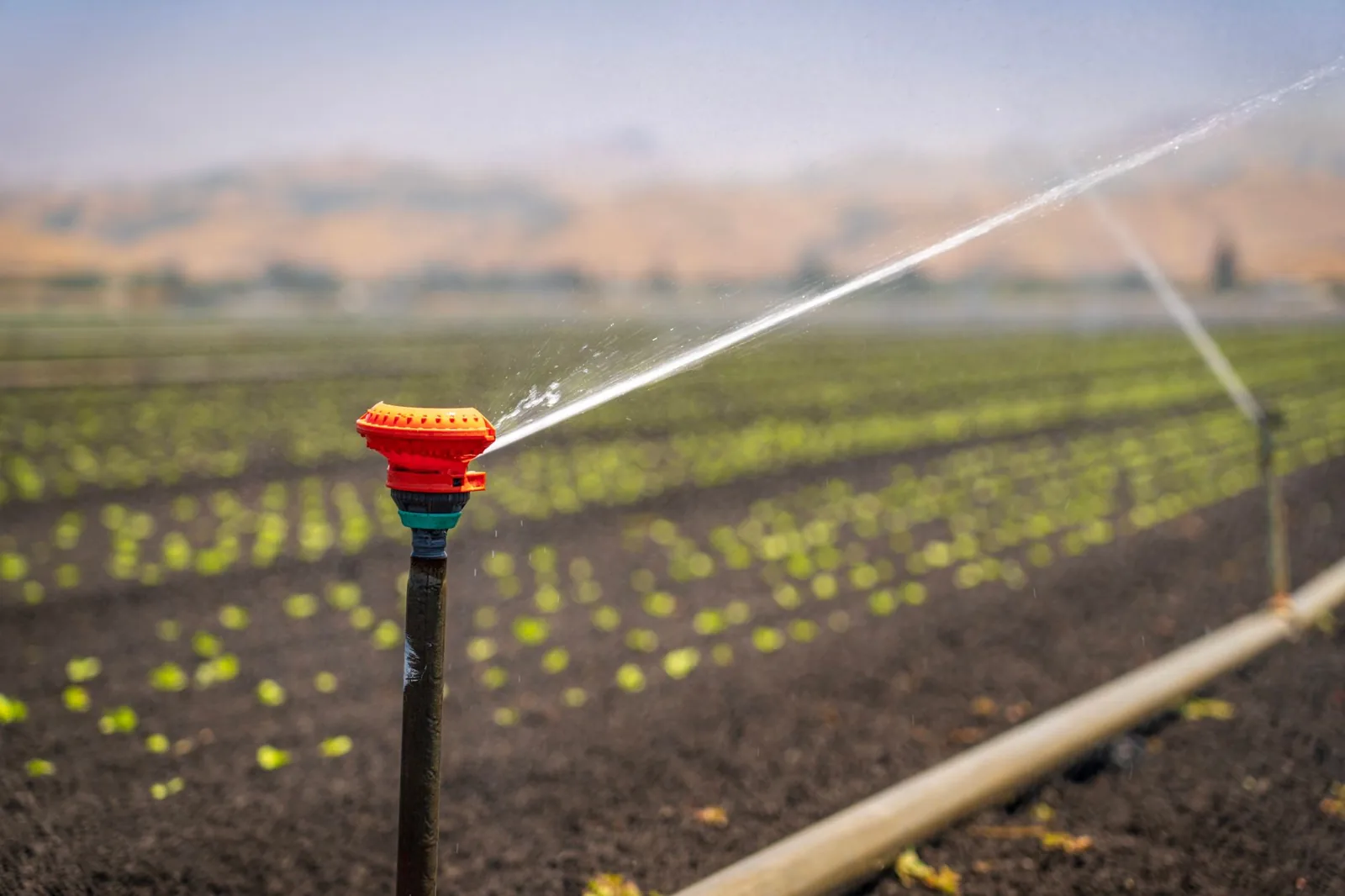
Photo by Mark Stebnicki via Pexels
Professional Installation vs. DIY
This is where most budgets are won or lost. Labor is typically 40% to 60% of an install, so a confident DIYer can bring a $3,000 system down to $1,200 to $1,500 in parts.
What a Pro Brings
- A properly sized design, so heads overlap correctly and you don’t get dry corners
- Code-compliant backflow prevention and permits
- Trenching equipment and a crew that finishes in a day or two
- A warranty, usually 1 to 5 years on parts and labor
Where DIY Makes Sense
A basic drip system for garden beds is genuinely approachable for a weekend. So is swapping a dumb timer for a smart controller — it’s four wires and a mounting bracket. In-ground turf systems are another story: you’ll spend a long Saturday trenching, splicing valve wire, and dialing in head spacing, and mistakes (leaks, wrong pressure, missed coverage) tend to surface months later under sod.
If you go the DIY route on a large lawn, price the whole thing out before you buy the first length of pipe, and budget for a one-time consult or a laser level. The hidden cost of DIY is redoing it.
How to Save on an Irrigation System Cost
- Get three detailed quotes and compare them line by line, not just on the bottom number.
- Phase the install. Do the front yard now and the back yard next season — it’s the same equipment, just spread out.
- Mix systems. Run costly in-ground spray heads on the lawn and cheaper drip lines in the beds, which is also better for the plants.
- Install a smart controller from day one. It typically pays for itself in one to two seasons of water savings, and many utilities rebate part of it.
- Check rebates before you buy. Smart controller, drip conversion, and even high-efficiency nozzles are commonly subsidized.
- Ask about the off-season. Some landscapers discount installs in late fall or early spring when demand drops.
Photo by Robert So via Pexels
Ongoing Costs to Budget For
The initial irrigation system cost is only part of the picture. Annual maintenance runs $100 to $250 for a standard system, covering a spring startup, head adjustment, and a fall winterization (blowing out the lines with compressed air). Repairs follow predictable patterns:
- Broken or clogged sprinkler head: $5 – $20 for the part, $75 – $200 with a service call
- Leaking valve: $75 – $250 to replace
- Controller replacement: $60 – $450 depending on basic vs. smart
- Winterization: $60 – $100 in cold climates; skipping it can crack buried pipes and valves
On the operating side, a well-tuned system in a temperate region adds roughly $15 to $40 a month to the water bill during peak season. That’s the real argument for drip conversion and smart sensors, discussed in our drip irrigation vs. sprinkler system comparison.
Frequently Asked Questions
How much does an irrigation system cost per zone?
Typically $500 to $650 per zone installed, which includes the valve, wiring, pipe, and heads for that circuit. A 6-zone system therefore lands around $3,000 to $3,900, close to the national average.
Is a sprinkler system worth the money?
For most homeowners, yes — but only if you pair it with a smart controller or rain sensor. A lawn without irrigation can cost more in sod repair and reseeding than the system itself, and a timed system that ignores the weather can waste as much water as a forgetful homeowner.
Can I install an irrigation system myself?
A drip system for beds or a smart controller swap is very doable for a handy homeowner. A full in-ground turf system is a bigger lift — the trenching, valve wiring, and backflow code requirements are where DIY installs most often go wrong.
How long does a sprinkler system last?
15 to 20 years for properly winterized PVC or polyethylene lines, with heads and valves typically replaced on a 5- to 10-year cycle. Smart controllers often get swapped sooner as features improve.
Does an irrigation system increase home value?
A functioning, low-maintenance system is a modest plus for buyers in dry climates and a neutral-to-positive in most others. Expect it to help a sale more than it raises the asking price — curb appeal from a healthy lawn does more to get your money back.
For water-wise planning, the EPA’s WaterSense program explains saving water with efficient irrigation.
The Bottom Line
Plan on $1,700 to $4,300 for a professionally installed system, and treat the per-zone figure of $500 to $650 as your anchor when comparing quotes. The cheapest way to pay less isn’t a cheaper contractor — it’s a smaller, smarter system: fewer turf zones, drip lines in the beds, and a smart controller that stops watering on rainy days.
Sit down with your property’s dimensions, decide what actually needs watering, and get three itemized quotes before you commit. Whether you’re installing a full system or just the timer, it’s one of the few upgrades where the savings compound every single month on the water bill. For a sense of how that fits into your bigger outdoor budget, see our landscaping cost per square foot guide — and if you’re planning beds rather than lawn, a xeriscaping plan can cut both water use and the size of the system you need.