How to Landscape a Small Backyard
Most homeowners treat a small backyard as a limitation. It isn’t. A compact lot is cheaper to landscape, faster to finish, and often winds up cozier than a big, half-empty lawn. This guide walks through how to landscape a small backyard from the first measurement to the final plant, with real costs, plant picks, and layouts you can copy this weekend.
The secret is restraint. A small yard punishes clutter and rewards a few strong moves: one clear focal point, a defined path, and plants sized to the space. Skip the oversized pergola and the 12-foot ornamental grass bed. Focus on a handful of decisions, and a 300-square-foot yard can feel like a private outdoor room rather than a leftover strip of grass.
1. Plan Before You Dig: How to Landscape a Small Backyard
Every good small-yard design starts with a tape measure and a notebook, not a truckload of mulch. Walk the yard and record:
- Exact dimensions. Measure length, width, and any odd corners or setbacks. Graph paper at one square per foot keeps proportions honest.
- Sun and shade. Note which areas get morning sun, full afternoon sun, or almost none. South- and west-facing walls run hot; north-facing walls stay cool.
- Drainage. Watch where water pools after rain. Low spots need a dry well, a French drain, or plants that tolerate wet feet.
- Utility lines. In the U.S., call 811 (or your local one-call service) before you dig anything deeper than a few inches. It’s free and it prevents a severed gas or cable line.
Sketch three zones before you buy a single plant: a seating or dining area, planting beds, and a walkway that connects them. A rough plan on paper costs nothing and saves you from moving shrubs twice.
2. Layout Ideas That Make a Small Backyard Feel Bigger
Small yards read bigger when the eye has somewhere to travel. These tricks do most of the work:
- One focal point. A fire pit, a water feature, or a single specimen tree pulls attention to the far corner and stretches the view.
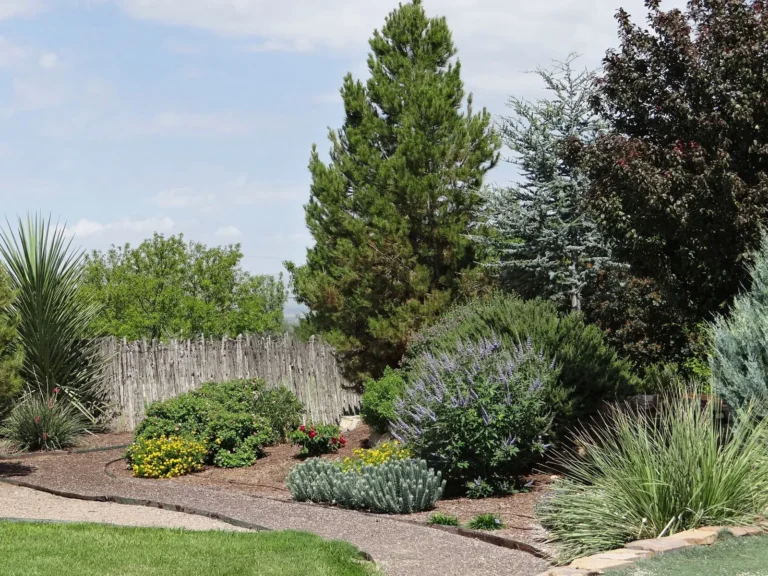
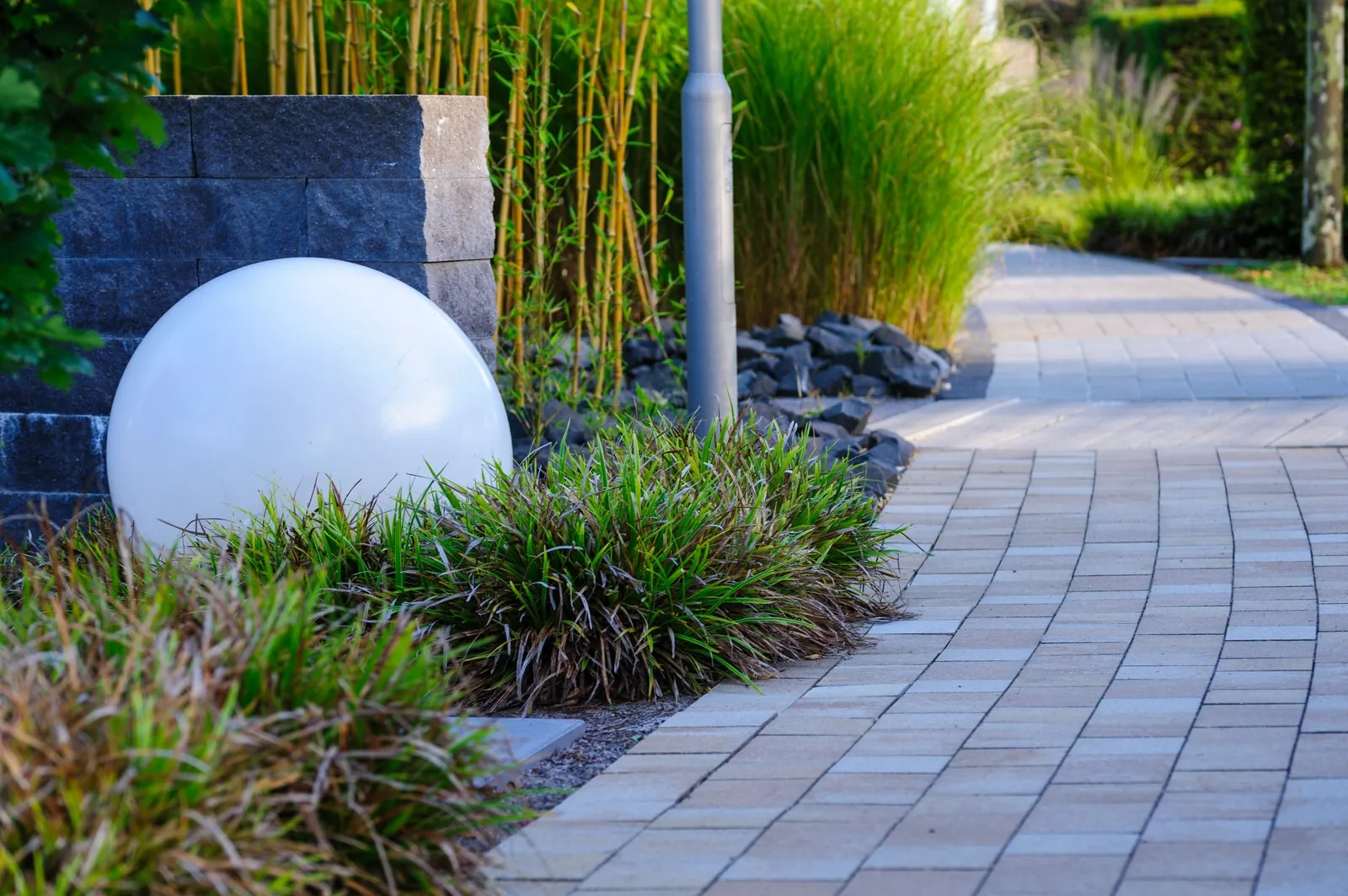
- Curved lines. A gently curving path or bed edge makes the yard feel longer than a straight line from fence to fence.
- Diagonal sightlines. Angle a walkway or the main bed across the lot instead of running it parallel to the fence.
- Zoned materials. A change in surface—pavers for dining, gravel for a reading nook—visually divides one small space into two or three rooms.
- Less lawn. Turf is usually the least useful thing in a small yard. Replace some of it with beds, gravel, or ground cover.
The goal is not to pack the yard with features. It’s to give it a clear hierarchy so the space feels deliberate.
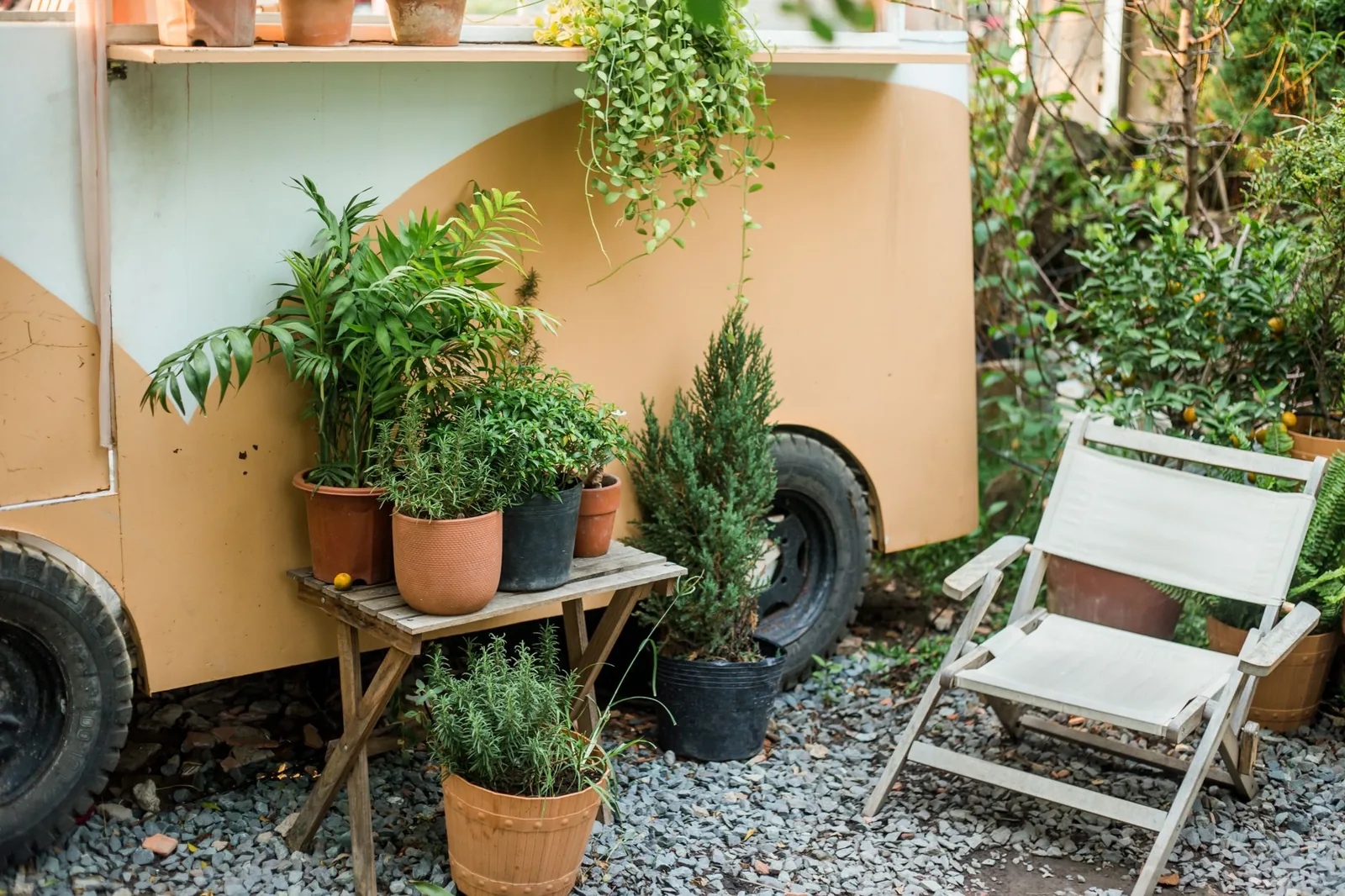
Photo by Vietnam Tri Duong Photographer via Pexels
3. Pick Plants Sized for a Small Yard
The fastest way to ruin a small backyard is planting things that outgrow it. A $30 shrub that reaches 10 feet wide will eat the yard in five years and cost you a removal. Choose dwarf, columnar, and slow-growing varieties, and check the mature size on the tag—not the size in the nursery pot.
Solid small-yard performers:
- Dwarf shrubs. ‘Little Lime’ hydrangea, ‘Bloomerang’ lilac, and dwarf boxwood give structure without turning into hedges.
- Columnar evergreens. ‘Sky Pencil’ holly and ‘North Pole’ arborvitae add vertical height while staying under 2 feet wide.
- Small ornamental trees. A dwarf Japanese maple such as ‘Red Dragon’ tops out around 6 to 8 feet—enough presence, not enough to dominate.
- Ground covers. Creeping thyme, dwarf mondo grass, or native wild ginger fill gaps and crowd out weeds.
- Perennials over annuals. Daylilies, coneflowers, and salvia come back every year, which matters more on a small budget.
Layer the beds the way a landscaper does: ground cover up front, mid-height perennials in the middle, and one or two vertical accents at the back. Three layers read as “designed” even in a bed only 3 feet deep. If you’re unsure what will thrive in your region, your local extension office and sites like Better Homes & Gardens publish plant lists by hardiness zone.
4. Hardscaping: Paths, Patios, and Gravel
Hardscape does the heavy lifting in a small yard because it defines space without needing water or sunlight. It also carries most of the budget, so choose materials with care.
- Gravel paths. A 3-foot-wide crushed-gravel path costs roughly $4 to $8 per square foot and drains well. It’s the cheapest way to add structure.
- Flagstone or paver patio. A 10-by-10-foot patio (100 square feet) runs about $1,200 to $2,500 installed, or $12 to $25 per square foot. Pavers hold up better than poured concrete slabs that crack.
- Decomposed granite. Around $3 to $6 per square foot, it makes a tidy, compacted surface for a seating area at a lower price than pavers.
Keep the patio proportioned to the yard. In a small space, a 12-by-12-foot patio usually beats a cramped full-width deck. For more on mixing materials and layouts, see our guide to hardscaping ideas for the backyard, and if you want to connect zones on the cheap, our garden path ideas walk through gravel, stone, and paver options.
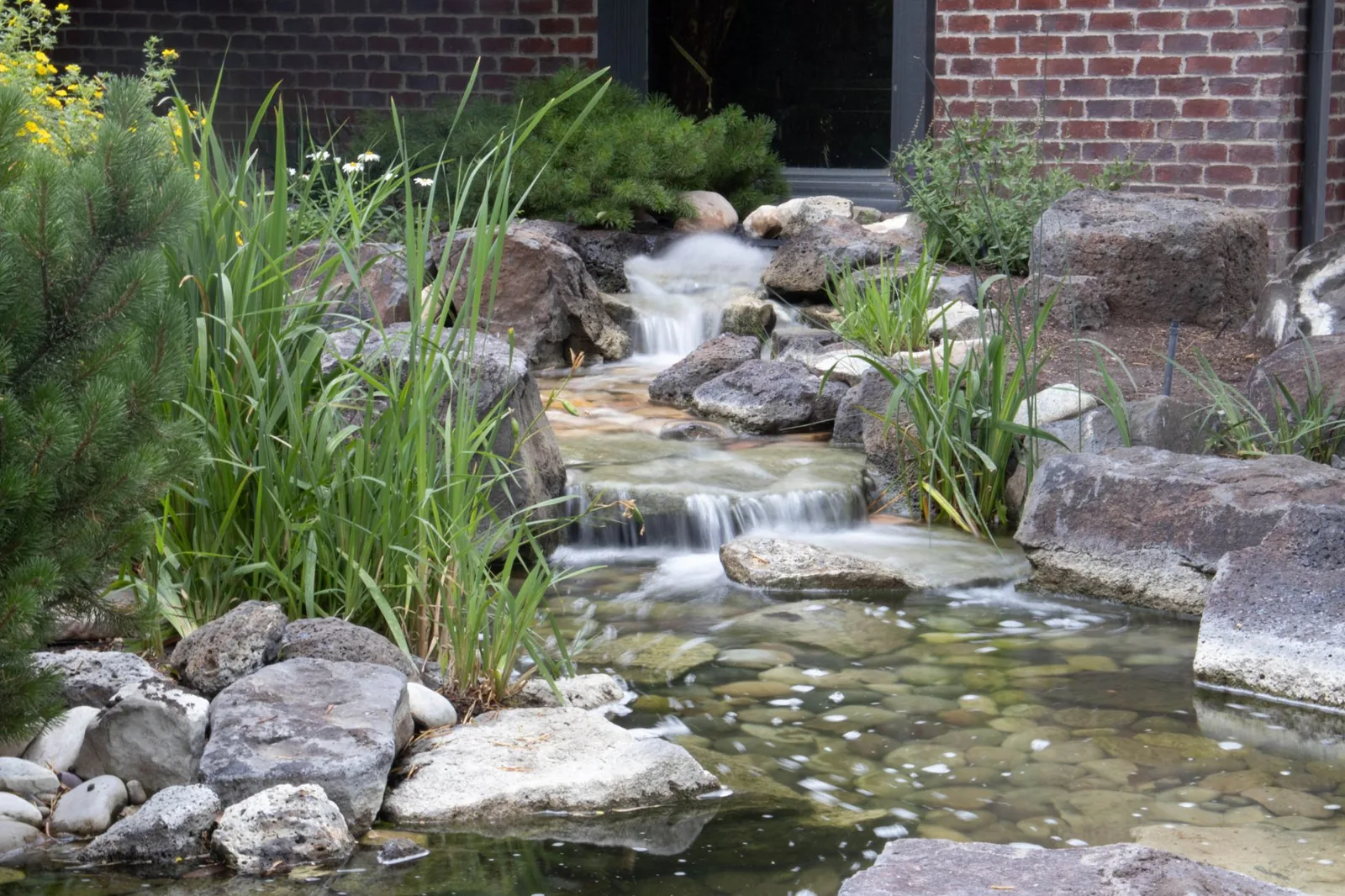
Photo by Liz Earl via Pexels
5. Add Vertical Interest and Hidden Storage
When you can’t build out, build up. Vertical elements make a small yard feel fuller without stealing floor space.
- Trellises and wall planters. A cedar trellis with climbing vines (clematis, climbing hydrangea) greens up a fence and adds privacy.
- Raised beds. A 4-by-4-foot cedar raised bed costs about $150 to $250 to build and puts vegetables at a comfortable height.
- Bench with storage. A bench that opens up holds cushions, hoses, and tools—dual purpose is the whole game in a small yard.
- Fence-line planters. Mounted troughs on the fence hold herbs and trailing plants at eye level.
6. Water, Light, and Low-Maintenance Tricks
A small yard is easy to overwater and overlight. Keep the systems simple.
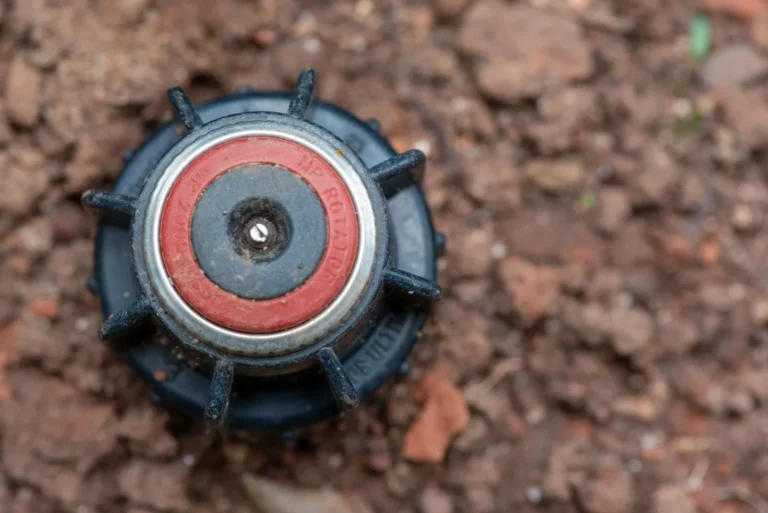
- Drip irrigation or a soaker hose beats a sprinkler in a small space. It puts water at the roots, wastes less, and costs a fraction of an in-ground system.
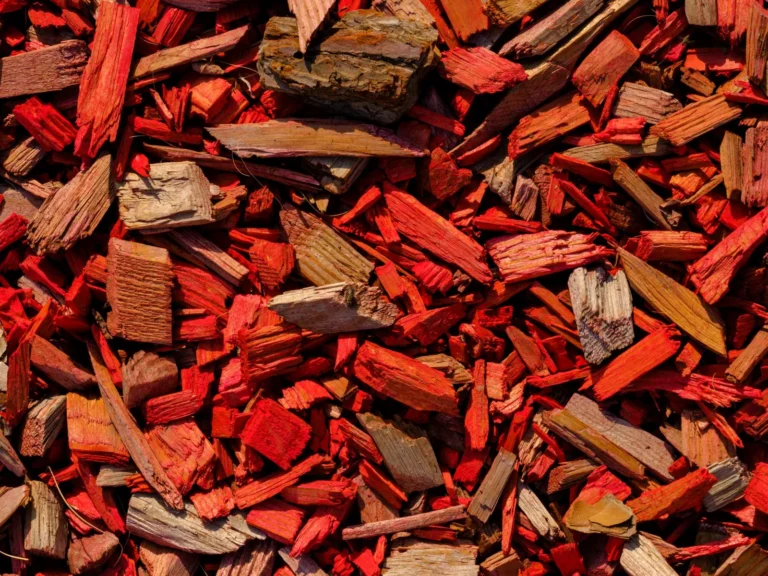
- Mulch 2 to 3 inches deep in beds to hold moisture and block weeds. Shredded hardwood mulch runs about $40 to $60 per cubic yard; one yard covers roughly 100 square feet.
- Solar path lights (about $30 to $60 for a set of eight) need no wiring and mark the walkway after dark. String lights over a seating area cost under $100 and do more for the mood than any in-ground fixture.
- Low-mow alternatives. If you keep lawn, a small patch of fine fescue needs less water and mowing. Micro clover stays green, fixes its own nitrogen, and handles foot traffic.
7. What It Costs to Landscape a Small Backyard
Costs scale mostly with hardscape and labor, not with plants. For a yard of roughly 500 square feet, expect:
| Project | DIY Cost | Pro Installed |
|---|---|---|
| Gravel path (50 sq ft) | $200–$400 | $400–$800 |
| Paver patio (100 sq ft) | $600–$1,200 | $1,200–$2,500 |
| Raised beds (2) | $300–$500 | $600–$1,000 |
| Plants and mulch (beds) | $300–$700 | $900–$1,800 |
| Drip irrigation kit | $50–$150 | $300–$600 |
A lean DIY refresh of plants, mulch, and a gravel path can land around $1,000 to $2,000. A full pro job with a paver patio and lighting often runs $5,000 to $12,000. For a deeper breakdown by square foot and material, read our guide to landscaping cost per square foot.
Frequently Asked Questions
What is the cheapest way to landscape a small backyard?
Gravel paths, mulch, and a few dwarf shrubs get you most of the look for the least money. DIY the labor and buy plants in spring or fall, when nurseries discount.
How long does it take to landscape a small backyard?
A plant-and-mulch refresh can be done in a weekend. Adding a paver patio or a raised bed usually stretches to one to two weeks, including base prep and settling.
Do I need a professional for a small backyard?
Not for planting, mulching, or gravel paths. Hire a pro for pavers, drainage work, or any project that touches gas or electric lines.
What plants are best for a small backyard?
Dwarf shrubs, columnar evergreens, small ornamental trees, and low ground covers. Always check the mature size on the tag before you buy.
How much sunlight does my small backyard need?
It depends on the plants. Many perennials and vegetables want six-plus hours of sun; shade-tolerant ferns, hostas, and heuchera handle three to four hours.
The Bottom Line
Landscaping a small backyard is more about editing than adding. Measure first, pick one focal point, choose plants that won’t outgrow the space, and spend the real money on a patio or path that gives the yard structure. Do those four things and a compact lot becomes the most usable outdoor room on the property—often for less than $2,000 if you’re willing to dig in yourself.
Grab a tape measure this weekend, mark your three zones on paper, and start with the hardscape that anchors the space. Everything else can follow one season at a time.