Hardscaping Ideas for Backyard Spaces That Hold Up for Decades
The best hardscaping ideas for backyard projects almost always share one thing: they get the structure right before the plants go in. Pavers, walls, and gravel define how a yard is used, where water goes, and whether the space still looks good five winters from now. A backyard without hardscape is just a lawn with good intentions.
That structure is also where most of a landscape budget actually lives. Hardscape typically runs between 50% and 80% of total project cost, so the choices you make early — material, layout, drainage — decide whether you’re paying once or paying again. This guide walks through the ideas worth doing, with real price ranges and the mistakes that quietly wreck them.
Patios That Anchor the Whole Backyard
A patio is the highest-return hardscape most homeowners install, because it turns an ignored corner of the lot into an outdoor room you can furnish, cook in, and entertain on. The floor material sets the tone and the price, so pick it before you pick furniture.
Concrete patio. A standard broom-finished concrete slab runs $6 to $12 per square foot installed, which makes it the cheapest seating surface that still drains and levels easily. Stamped or stained concrete pushes that to $12 to $20 per square foot, and it can convincingly fake stone or brick for roughly half the real thing’s cost.
Paver patio. Interlocking concrete pavers cost $12 to $22 per square foot installed and win on repairability. When a tree root or a frost heave lifts a section, you pull the affected pavers, fix the base, and reset them — something you cannot do with a poured slab. Natural stone flags (bluestone, limestone) run $15 to $30 per square foot and bring the look, but they demand a clean, compacted base to avoid rocking edges.
Plan the patio a few inches larger than the table and chairs you intend to put on it. A dining set for six needs about 12 by 14 feet minimum, and every extra foot of apron around it keeps chairs from tipping onto the lawn.
Hardscaping Ideas for Backyard Paths and Walkways
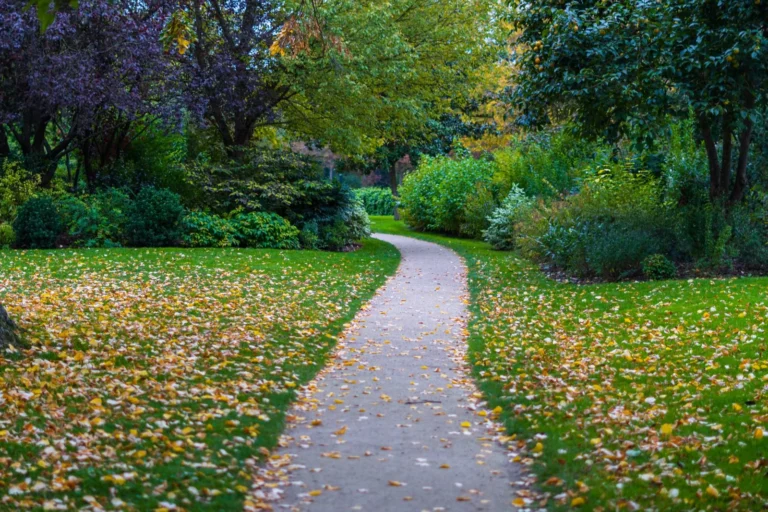
Paths do quiet but essential work: they keep foot traffic off the grass, connect the house to the patio or shed, and set the visual rhythm of the yard. The material choice is less about looks and more about how much abuse the route will take.
- Gravel path. $1 to $3 per square foot for material, often DIY-friendly. Best for long, low-traffic routes. Use angular crushed stone, not smooth pea gravel, so the surface locks together underfoot. Edge it with steel or timber, or the stone will wander into the lawn within a season.
- Paver walkway. $8 to $20 per square foot installed. The classic front-or-back connector. A 3-foot-wide walk lets two people pass; 4 feet is the comfortable choice if you wheel a mower or a grill down it.
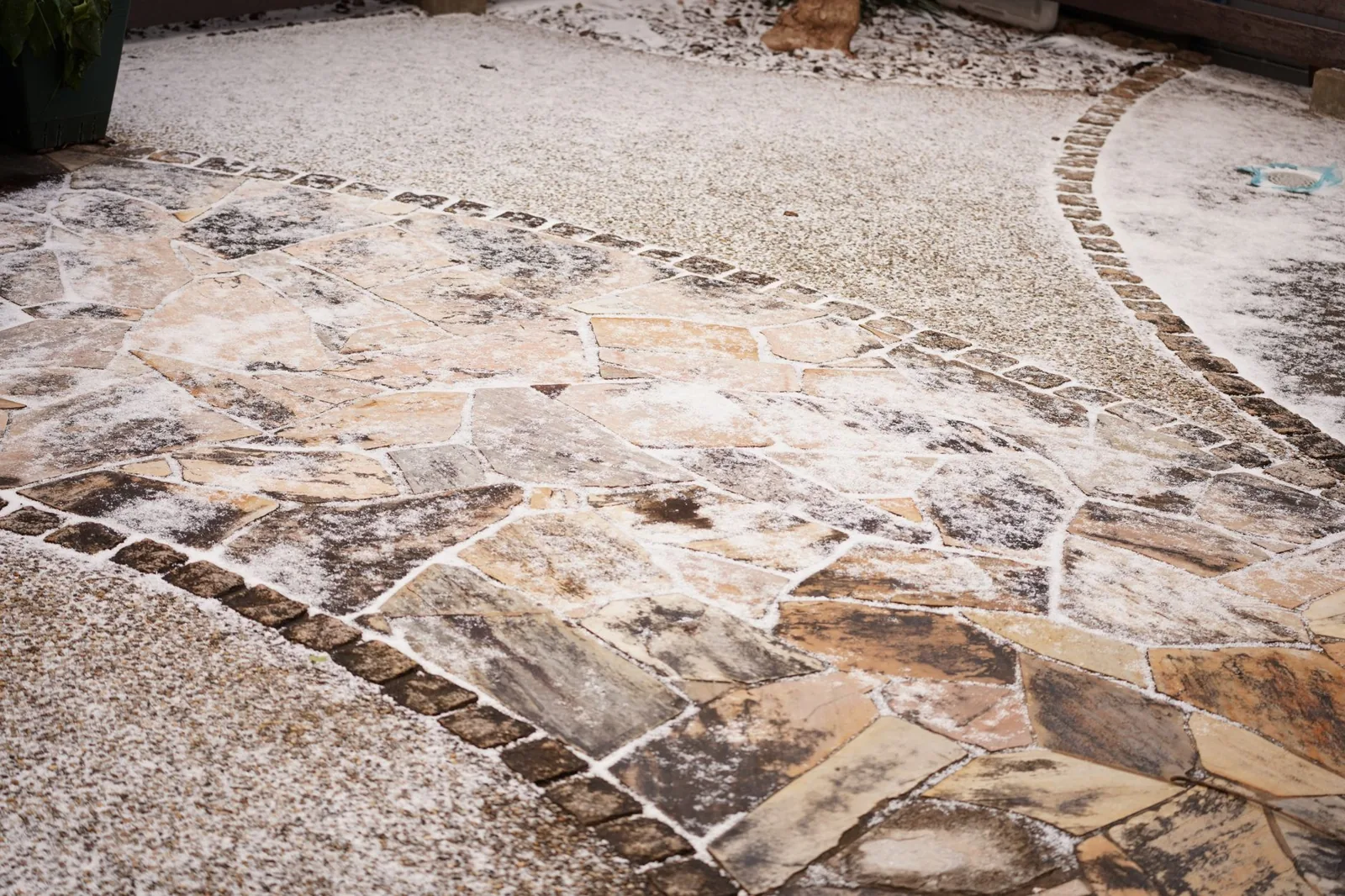
- Flagstone stepping stones. $15 to $30 per square foot set in place. A loose, natural look for secondary routes through planting beds. Space stones 22 to 26 inches on center so a normal stride lands on stone, not soil.
Whichever you pick, dig out 6 to 8 inches and lay a compacted gravel base before the top surface. Skipping the base is the most common reason a path heaves or sinks within two years. For a deeper dive on materials and layout, see our guide to paver walkway ideas.
Photo by Karen F via Pexels
Retaining Walls That Earn Their Keep
A retaining wall matters when your yard slopes more than a few degrees, because it converts an unusable hill into flat, plantable tiers. It also carries real engineering weight, which is why DIY attempts fail so visibly.
Anything under 3 feet tall with good drainage behind it is a manageable weekend project for a confident homeowner using interlocking concrete block ($15 to $35 per square foot of wall face). Once you cross 3 to 4 feet, or the wall is holding back heavy clay soil, you need a pro — and, in most US municipalities, a permit — because the wall has to resist lateral pressure, not just sit there. Failed walls lean, crack, and eventually blow out at the base.
The detail that separates a durable wall from a future collapse is drainage. Every block wall needs gravel backfill and a perforated pipe at the foot to carry water away from the wall’s back side. Without it, water builds up behind the wall, freezes, and pushes the whole thing forward.
Fire Pits, Outdoor Kitchens, and Built-In Seating
Once the floors and edges are in, the hardscape that makes a yard feel finished is the cooking-and-gathering layer. These are the features guests remember.
Fire pit. A pre-cast concrete or steel bowl set on a gravel bed costs $400 to $1,500 all-in and can be done in a weekend. A built-in stone or block fire pit with a proper ring and masonry walls runs $1,500 to $5,000 depending on size and access. Check your local fire code on clearance — many municipalities require 10 to 25 feet from any structure.
Outdoor kitchen. Counters with a built-in grill start around $5,000 and climb past $25,000 once you add a sink, refrigerator, and stone veneer. The plumbing and gas lines are what push the cost, so a simple L-shaped counter with a grill and storage covers 90% of how people actually use these spaces.
Built-in seating. Low retaining or bench walls double as seating and cost far less than buying eleven separate chairs. A 12-inch-deep block wall capped with a 16-inch bench seat runs $40 to $70 per linear foot installed and turns a patio edge into a party wall.
Photo by Marianna Zuzanna via Pexels
Water Features and Drainage in One Move
Water is both a feature and the main threat to hardscape. The smartest plans treat the two as a single problem.
A dry creek bed — a shallow, stone-lined channel that carries runoff during storms and looks like a stream when dry — is the cheapest way to handle a low spot that pools. It costs $500 to $1,500 in stone and labor and beats regrading in most situations. French drains and channel drains under patio edges handle the invisible work of moving water off hard surfaces before it undermines them.
If you want a true water feature, keep it simple. A bubbling rock fountain with a buried reservoir starts around $1,500 and needs nothing more than an outlet. A full pond with pumps, liners, and filtration starts at $5,000 and becomes an ongoing maintenance obligation. Whatever you install, run the hardscape itself on a slight slope — a quarter inch of fall per foot — so water never pools against the house or sits on the patio. The plants you keep around the stone will have their own water needs, too; if you’re weighing how to irrigate them, this comparison of drip irrigation vs. a sprinkler system lays out the tradeoffs.
What Backyard Hardscaping Actually Costs
Hardscape pricing is almost entirely driven by material and excavation. The table below puts the main options side by side for a typical 300-square-foot patio, path, or wall face.
| Feature | Concrete | Pavers | Gravel | Natural Stone |
|---|---|---|---|---|
| Installed cost/sq ft | $6–$12 | $12–$22 | $1–$3 | $15–$30 |
| Lifespan | 25–30 yrs | 30–50 yrs | 5–15 yrs (topped up) | 50+ yrs |
| Repairability | Low (resurface) | High (reset pavers) | High (add stone) | Medium (reset flags) |
| DIY-friendly | Low | Medium | High | Low |
| Best for | Budget patios | Patios & walkways | Paths & beds | Premium patios |
A few numbers to anchor your planning. The national average for a full backyard hardscape project — patio, walkway, and a short retaining wall — lands around $4,500 to $9,000. Labor usually accounts for half to two-thirds of any pro install, which is why gravel and stamped concrete, the two most DIY-able options, are so much cheaper at the low end. For a full breakdown of how these numbers interact with the rest of a landscape, read our guide to landscaping cost per square foot.
Frequently Asked Questions
What is the cheapest hardscaping idea for a backyard?
Gravel. A crushed-stone path or seating area runs $1 to $3 per square foot for material and is the only hardscape most homeowners can complete without a contractor. Edge it well and compact the sub-base, and it will hold up far better than people expect.
How much does a backyard hardscape project cost on average?
Most homeowners spend between $4,500 and $9,000 for a combined project — typically a paver patio plus a walkway and a short retaining wall. Large projects with fire pits or outdoor kitchens routinely pass $15,000.
Do I need a permit to build a retaining wall or patio?
A patio usually does not need one, though your town may want the impervious-surface total for drainage review. Retaining walls over 3 to 4 feet tall, and anything that changes stormwater flow, generally require a permit. Check your local building department before you dig.
How long does hardscaping last?
Concrete runs 25 to 30 years, interlocking pavers 30 to 50, and natural stone well past 50. Gravel technically lasts indefinitely but needs a fresh top layer every few years as stone migrates or sinks.
Can I install hardscaping myself?
Gravel beds, stepping-stone paths, and short dry-stacked walls under 3 feet are realistic DIY projects if you put the effort into a compacted base. Poured concrete, paver patios larger than a few hundred square feet, and tall walls are worth hiring out — the excavation and base prep are the hard part, not the visible layer.
For material and cost comparisons, Bob Vila covers hardscape options and pricing.
The Bottom Line
Hardscaping is the skeleton every good backyard is built on, and the best hardscaping ideas for backyard spaces are the ones that solve a real problem — leveling a slope, draining a low spot, or creating a place to sit — rather than decorating one. Start with the patio and paths, get the drainage right underneath, then add the fire pit or seating wall once the bones are in and paid for.
Spend your budget on the base and the edges, not the pretty top layer. A $3,000 paver patio with a proper 6-inch compacted base will outlast a $6,000 slab poured on loose soil, every time. When you’re ready to plan yours, work from the numbers up: decide the material, measure the square footage, and price the whole thing before the first shovel hits the ground. The result is a yard that works exactly as hard as it looks.