Garden Path Ideas: 25 Walkways for Every Yard and Budget
A garden path is one of the cheapest upgrades that changes how a home feels the moment you arrive. Done right, it stops grass from dying in high-traffic spots, keeps mud off the porch, and turns a plain lawn into a space that looks planned rather than placed. The best garden path ideas match the material to how the path is actually used — not just how it photographs.
Whether you’re laying a 24-foot run from the driveway to the front door or winding a flagstone route through the back garden, the decision comes down to material, cost, and maintenance. Gravel and mulch cost the least up front. Brick and concrete pavers cost more but hold up for decades with almost no upkeep.
Below, we walk through practical garden path ideas for every budget — with real price ranges, square-foot figures, and the maintenance trade-offs nobody mentions in the brochure.
The Best Garden Path Ideas by Material
Material is the single biggest driver of price, look, and long-term effort. Here’s a quick sense of where each one lands before we get into the details.
- Gravel and pea gravel run roughly $1–$3 per square foot for materials alone, and they’re the easiest for a DIY homeowner to install in a weekend.
- Stepping stones and flagstone land around $2–$6 per square foot for the stone itself, depending on whether you go with cast concrete, irregular bluestone, or thick-cut slate.
- Brick is the classic formal option, usually $8–$15 per square foot installed, and it ages beautifully.
- Concrete pavers from brands like Belgard, Unilock, or Cambridge run $12–$25 per square foot installed, with the widest range of patterns and colors.
Whatever you choose, aim for a finished path at least 36 inches wide for a main walkway and 48 inches if two people will pass side by side. Stepping-stone paths can be narrower since people hop from stone to stone.
Stepping Stone and Flagstone Paths
Stepping stones are the most forgiving garden path idea for a beginner. You don’t need a perfectly graded base, and if a stone settles crooked a year later, you lift it, add a little stone dust, and move on.
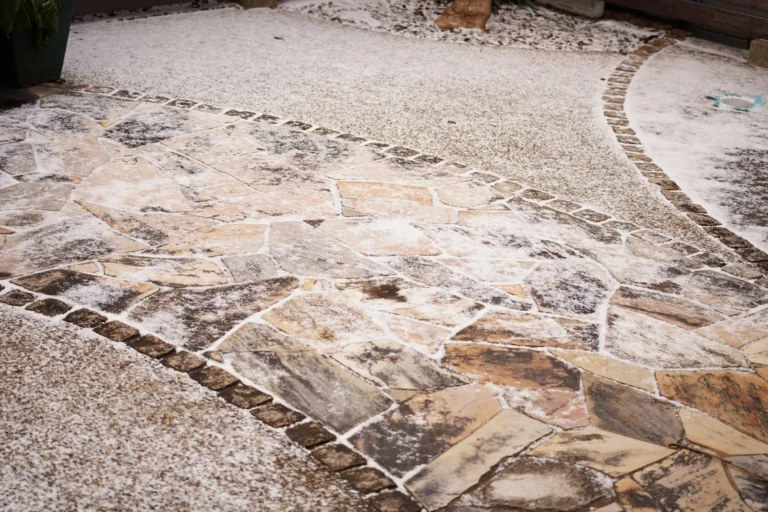
For a natural look, irregular bluestone or slate flagstone set directly into lawn or pea gravel works well. Space the stones 4 to 8 inches apart so a normal stride lands naturally, and keep the tops about an inch above the surrounding grade so mower blades and mulch don’t swallow them. Bed each stone on a leveled base of sand and compacted stone dust — skip the “plop it on the grass” approach, which leaves you re-leveling every spring.
A budget alternative is 16-inch cast concrete stepping stones from a big-box store, which run $2–$4 apiece. They lack the character of real stone but cost a fraction of the price and install in an afternoon.
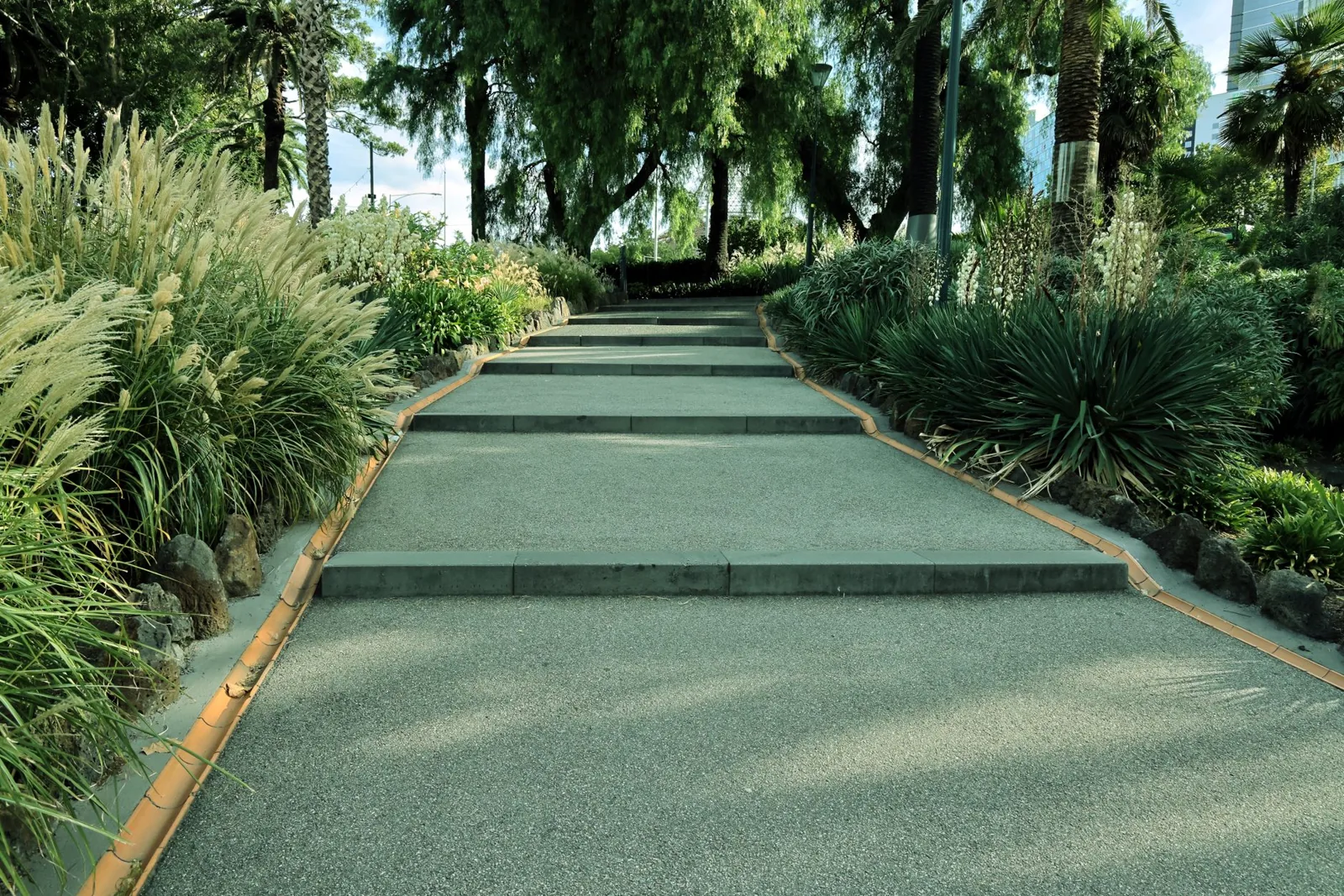
Photo by Shutter Speed via Pexels
Gravel, Brick, and Paver Path Ideas
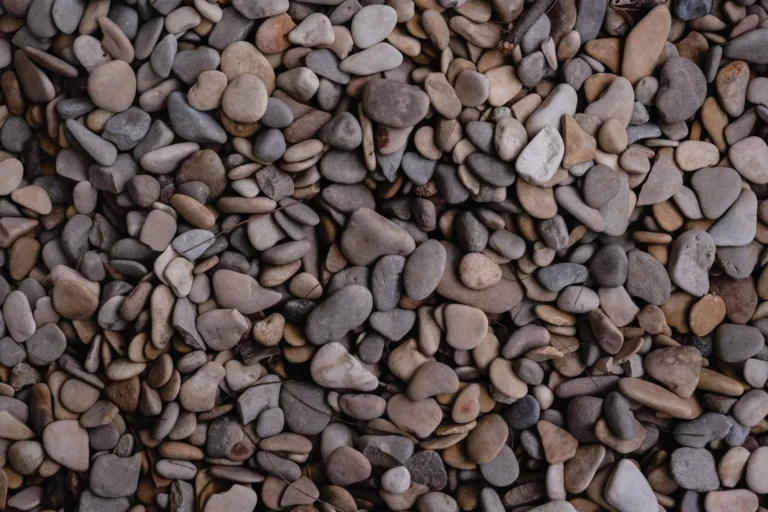
Gravel is the cheapest durable surface and drains better than anything else on the list. Use 1/4-inch angular gravel rather than smooth pea gravel — the angular pieces lock together and don’t scatter underfoot the way round stones do. Lay it 2 to 3 inches deep over landscape fabric with an edging of steel, aluminum, or pressure-treated lumber to keep it contained. Expect to top it up every couple of years.
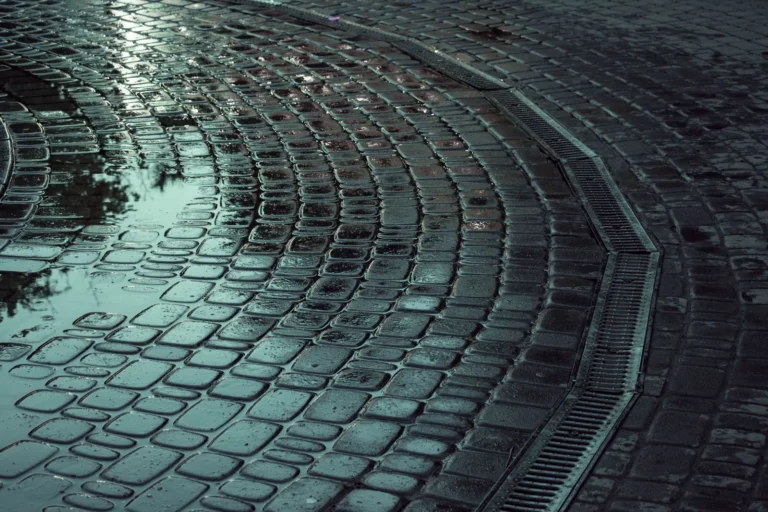
Brick delivers the classic cottage look and holds its value. Reclaimed brick runs $0.50–$1.50 per brick and gives instant patina; new clay brick from a supplier costs more but is uniform and easier to lay in a running-bond or herringbone pattern. For more on paver-specific designs, see our paver walkway ideas.
Concrete pavers are the workhorse of modern hardscaping. Interlocking pavers install faster than individual brick, resist cracking by flexing at the joints, and come in enough sizes to create curves without cutting. For a broader take on how these fit into a full yard design, check out our hardscaping ideas for your backyard.
Curved vs. Straight: Layout Ideas That Work
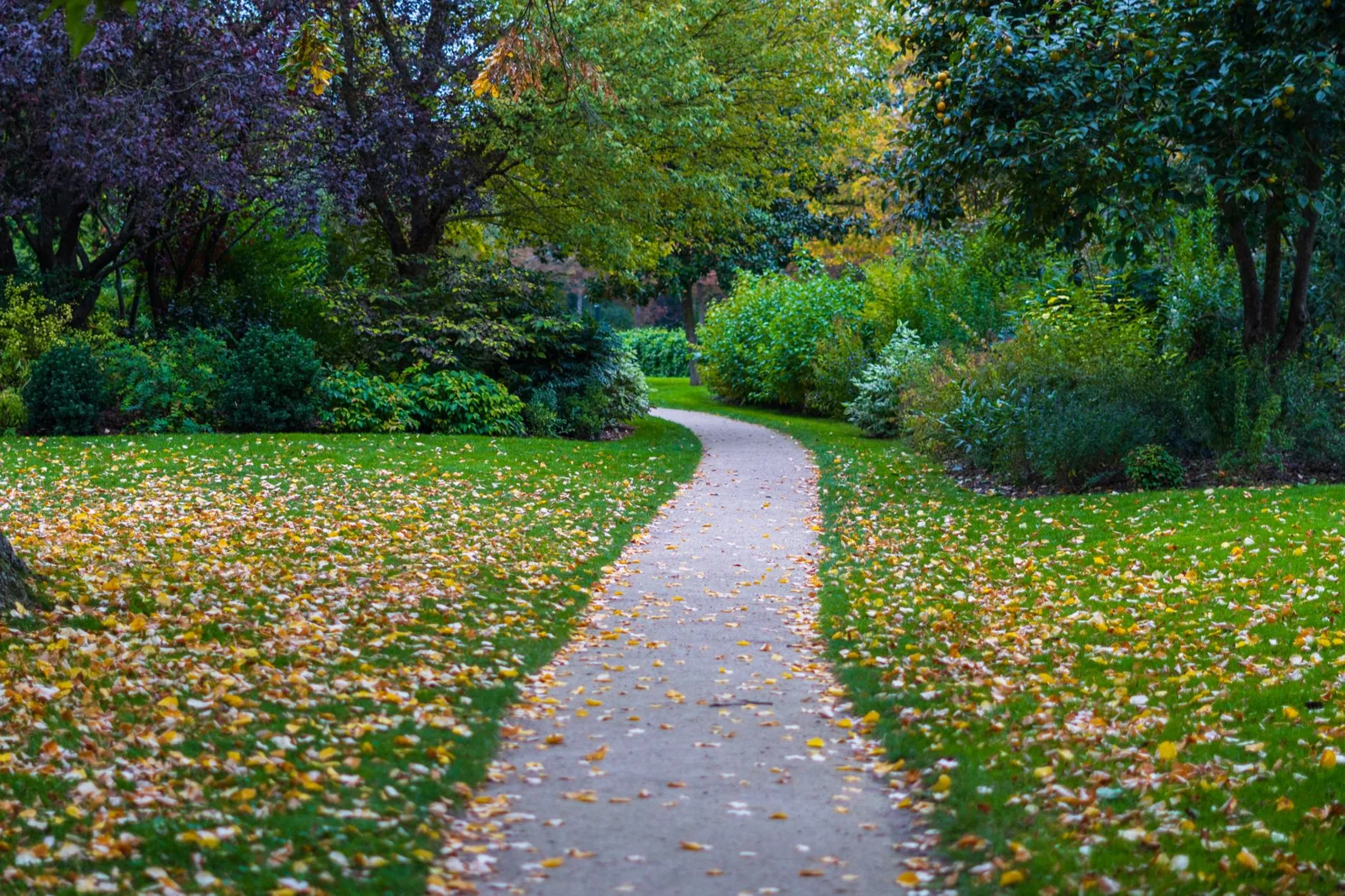
A straight path reads formal and fast. A curved path reads relaxed and invites you to slow down. The right choice depends on distance and what’s at the end of the line.
- Front entrance: Keep it straight or only gently curved. People instinctively want to see the front door, and a wandering path to a visible door feels indecisive.
- Long side yards: A gentle S-curve breaks up a tunnel effect and makes a 40-foot run feel shorter.
- Back gardens and shade beds: Curve freely. A winding path lets you reveal one planting bed at a time instead of seeing everything at once.
Whatever the shape, think about drainage before you dig. Slope the finished surface away from the house at about 1/4 inch per foot — enough to shed water, not enough to notice underfoot. If your path crosses a low spot, a gravel base or an added French drain prevents the puddling that turns a walkway into a slip hazard. Paths are also a sensible time to reconsider adjacent lawn care; a path that changes how water moves across the yard can shift your whole landscaping cost per square foot.
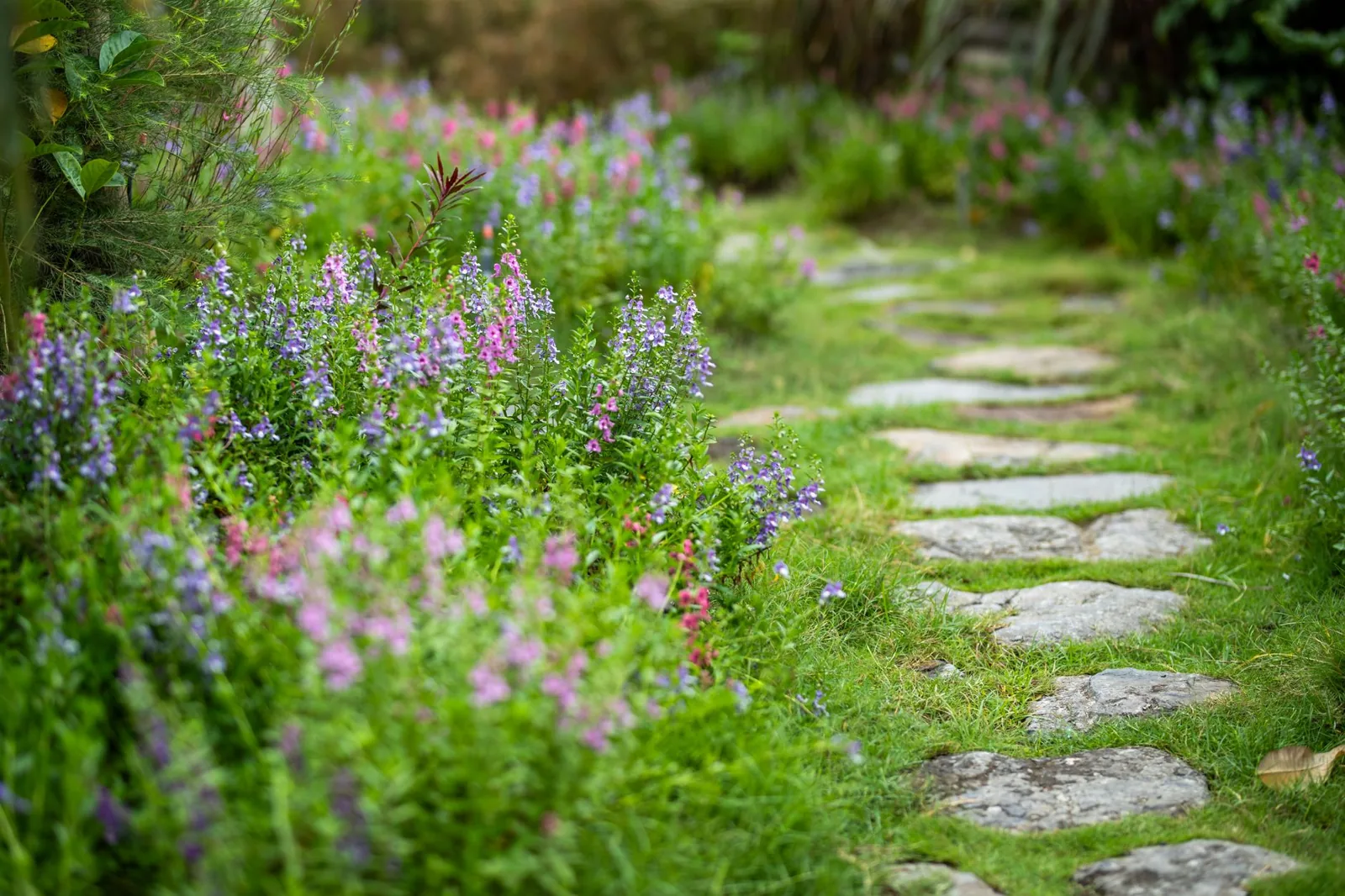
Photo by Bảo Minh via Pexels
What a Garden Path Costs
Most homeowners pay $1,200–$4,000 for a professionally installed 40-foot path, but the range is enormous because material dominates the bill. Here’s how the primary options compare.
| Feature | Gravel | Flagstone | Brick | Concrete Pavers |
|---|---|---|---|---|
| Material cost (per sq ft) | $1–$3 | $2–$6 | $3–$6 | $4–$10 |
| Installed cost (per sq ft) | $8–$15 | $15–$30 | $12–$25 | $12–$25 |
| Typical lifespan | 10–20 years | 25+ years | 30+ years | 25–40 years |
| Annual maintenance | Rake, top up | Occasional reset | Minimal | Minimal |
| DIY difficulty | Easy | Moderate | Moderate | Hard |
Labor is the silent variable. A gravel path is mostly material and a few hours of grading, so it’s genuinely DIY-friendly. Flagstone and pavers demand a properly compacted base — usually 4 to 6 inches of crushed stone topped with an inch of sand — and that’s where a contractor’s plate compactor earns its keep. If your lot has drainage issues, steep grades, or heavy clay soil, budget 20–30% more for base prep.
Add-ons move the needle too: landscape lighting along the path runs $50–$150 per fixture installed, and a steel or stone border adds $3–$8 per linear foot but is the single best way to make gravel and mulch look finished.
Frequently Asked Questions
What is the cheapest way to make a garden path?
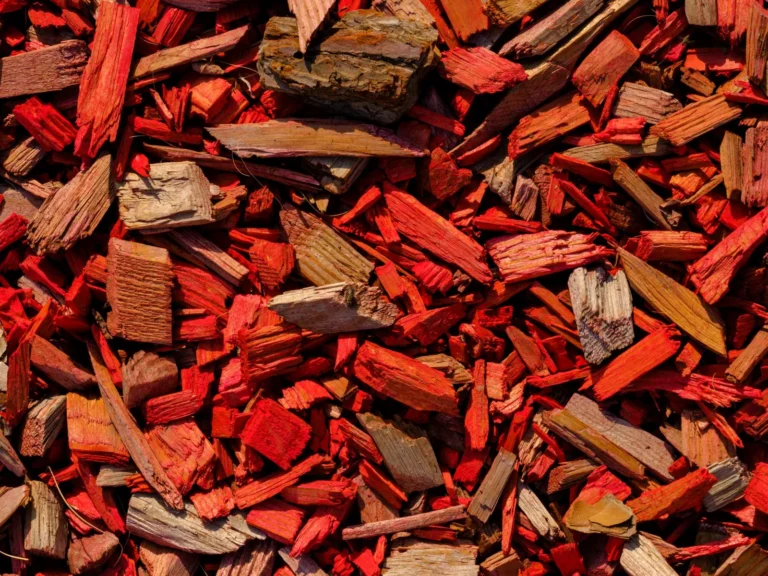
Gravel over landscape fabric is the cheapest durable option at roughly $1–$3 per square foot for materials. A 40-foot by 3-foot path costs about $120–$360 in gravel, plus edging. Wood chips and mulch are cheaper still upfront but break down and need topping up every year or two.
How wide should a garden path be?
A main path should be at least 36 inches wide; 48 inches lets two people walk side by side comfortably. Stepping-stone paths can run 18–24 inches because only one foot lands on the surface at a time.
Do I need a base under pavers or flagstone?
Yes. Without a compacted base of 4–6 inches of crushed stone plus an inch of sand, pavers and flagstone shift, sink, and crack at the joints within a few seasons of freeze-thaw. Gravel and mulch paths can skip the deep base since they flex.
How do I keep weeds out of a gravel or stone path?
Landscape fabric under the gravel handles most of it, but a weed barrier only slows growth — it doesn’t stop it forever. Treat sprouts with a vinegar-based spot spray or pull them after rain when roots release easily, and refresh the edging each spring.
Can I put a path over tree roots?
Yes, but choose forgiving materials. Stepping stones set above the soil and gravel both flex as roots grow, whereas a rigid concrete or mortared-brick surface will crack. Keep heavy compaction away from the drip line of mature trees, where roots need air and water.
The Bottom Line
The right garden path pays for itself in curb appeal and in years of dry, clean feet. Start with how the path is used and how much upkeep you’re willing to do, then let budget pick the material: gravel or stepping stones for a weekend project, brick for character, and interlocking pavers for a surface that outlives the mortgage.
Measure twice, grade once, and don’t skip the base under anything rigid. Get the run to slope away from the house, contain loose materials with edging, and you’ll have a walkway that looks better every year instead of worse. A well-laid path also anchors the rest of the yard, so if you’re planning a larger refresh, it pairs naturally with the layout ideas in our paver walkway and landscaping guides.
For more on the wider costs and options involved, review our landscaping cost per square foot and hardscaping ideas for your backyard guides, or browse design ideas from Better Homes & Gardens and This Old House.