
Backyard Drainage Solutions: Fix Standing Water and Protect Your Home
A soggy lawn after a storm is more than an inconvenience. Left alone, standing water kills grass, breeds mosquitoes, rots fences and deck posts, and slowly works its way toward your foundation. The good news is that most backyard drainage solutions are simpler — and cheaper — than homeowners expect. Whether your problem is a single low spot or a whole slope dumping water against the house, there is a fix that fits the grade, the soil, and the budget.
This guide walks through the drainage systems that actually work, what each one costs, and how to tell which one your yard needs. By the end, you will know enough to tackle the job yourself or hire it out without getting sold a system you do not need.
Signs Your Yard Has a Drainage Problem
Before you spend a dollar, confirm that water is really where you think it is. Walk the yard a day after a heavy rain and look for these warning signs:
- Water that lingers more than 24 hours. Saturated ground that stays squishy for a full day indicates poor percolation, not just a heavy storm.
- Mud or erosion channels running down any slope, showing where runoff is carving a path.
- A damp or efflorescent foundation wall. White mineral stains on the concrete or block signal water is pressing against the house.
- Moss, fungus, or a sudden shift in grass type in one patch — all signs the soil there never dries out.
- Water pooling against the house after downspouts discharge, even when the yard itself drains fine.
If you see any two of these, treat the yard as having a real drainage problem, not a cosmetic one.
How to Choose the Right Drainage Fix
The best fix depends on where the water comes from and where it needs to go. That is the whole decision in one sentence: every working system is just a way to move water from a bad place to a good one. Here is how to sort the main options.
French drains
A French drain is a gravel-filled trench with a perforated pipe at the bottom, wrapped in landscape fabric to keep soil from clogging it. Water seeps into the gravel, drops into the pipe, and flows downhill to a discharge point — usually the street, a storm drain, or a dry well.
French drains are the workhorse of backyard drainage solutions because they handle both surface water and water moving underground. They are the go-to choice for a damp foundation wall or a yard that stays wet because the water table is high. Expect to pay $10 to $25 per linear foot if you dig it yourself, or $25 to $50 per linear foot installed by a contractor, depending on depth, rock cost, and whether the trench needs to cross a sidewalk or driveway.
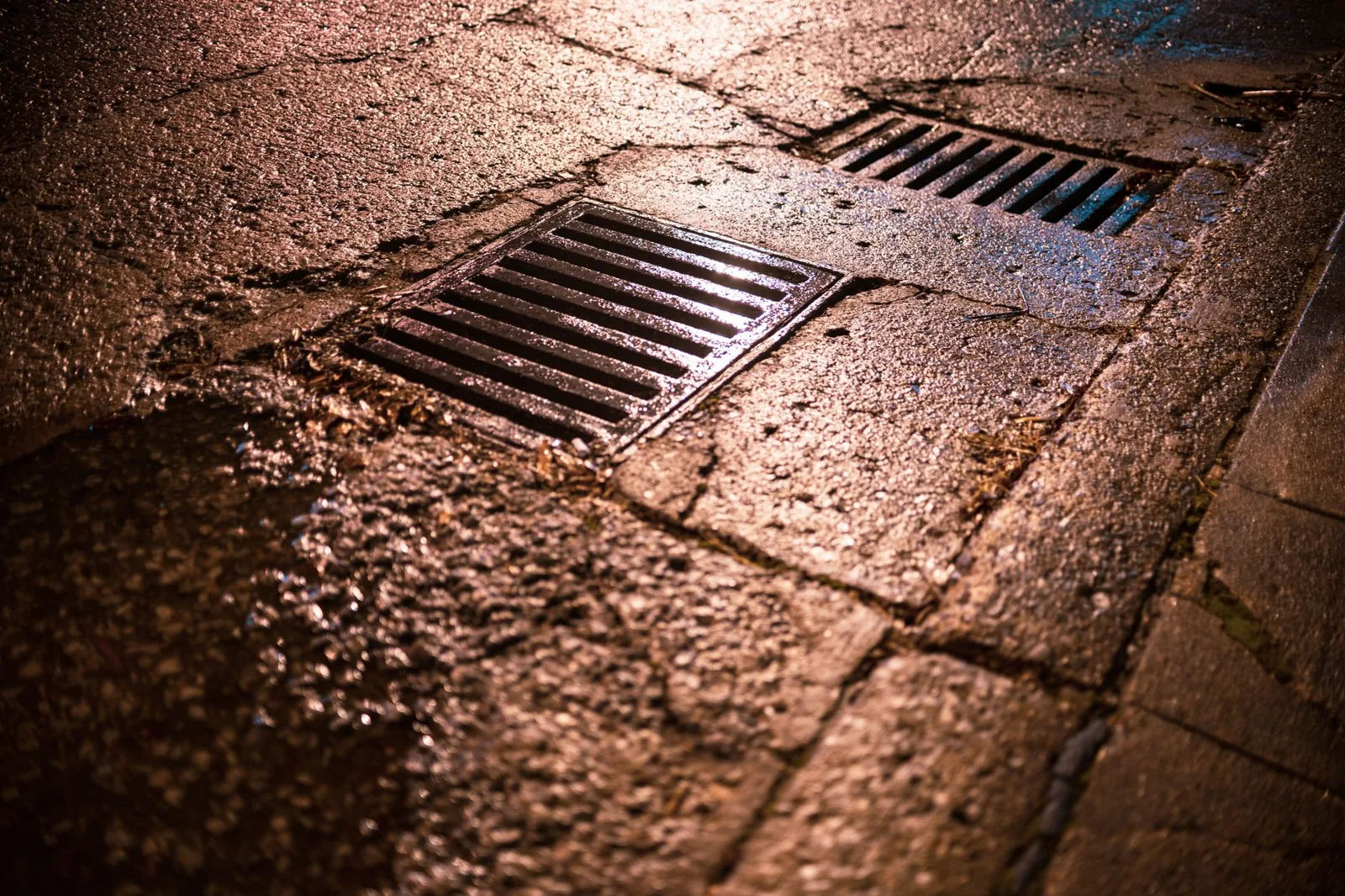
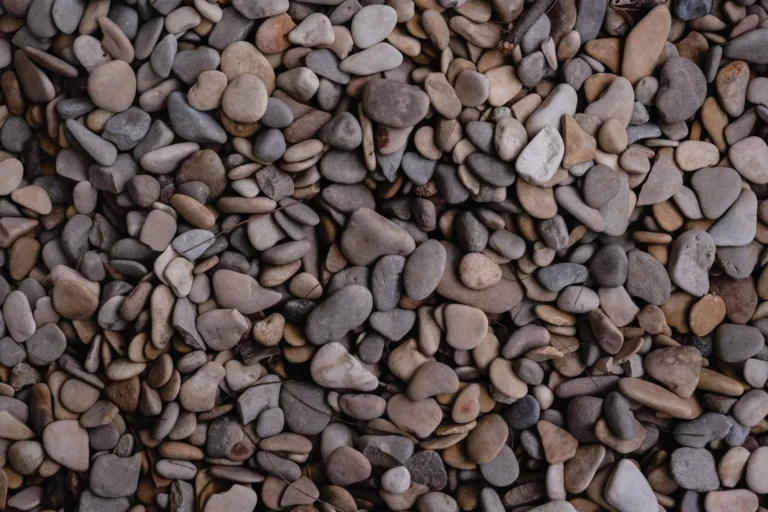
Photo by Brixiv via Pexels
Channel drains
Where a French drain catches water over a long length, a channel drain (or trench drain) catches it at one point. It is a narrow, grated channel set flush with the surface, usually across a walkway, patio edge, or the foot of a slope. Water hits the grate and drops into a pipe below.
Channel drains shine in tight spots where a wide trench is not practical — across a driveway apron, at the bottom of a stairway, or along the edge of a paver patio. They run $30 to $150 per linear foot installed, with the higher end covering heavy-duty load-rated grates for driveway use.
Dry wells
A dry well is just an underground pit filled with gravel or a plastic catch basin that lets water soak slowly back into the soil. It is the answer when there is no low point to drain to — you give the water a place to go instead.
Dry wells work best in sandy or loamy soil that drains on its own. In heavy, compacted clay they fill and stop working, because the water has nowhere to seep. A prefabricated dry well basin plus excavation runs $500 to $3,000 depending on size and access, though a DIY gravel pit can cost as little as $150 in materials.
Downspout extensions and grading
Sometimes the cheapest fix is the boring one. Routing downspout discharge away from the house with a buried extension pipe costs $100 to $500 and solves a surprising share of “basement” problems. And if the ground itself slopes toward the house, regrading the soil — even by a few inches of fall over ten feet — sends water the other way before you add any pipe at all. Basic regrading around a foundation runs $1,000 to $5,000; a buried downspout line is far less.
Drainage Fix Comparison at a Glance
| Feature | French Drain | Channel Drain | Dry Well | Regrade + Downspout Line |
|---|---|---|---|---|
| Best for | Damp foundation, soggy yard | Water at one spot, patios | No low point to drain to | Slope toward house |
| Catches | Surface + groundwater | Surface only | Stored runoff | Surface runoff |
| DIY cost per linear foot | $10–$25 | $30–$75 (materials) | N/A (per unit) | N/A |
| Installed cost | $25–$50/ft | $30–$150/ft | $500–$3,000 | $1,000–$5,000 |
| Lifespan (if maintained) | 20–30 years | 20–40 years | 10–30 years | Indefinite |
The table is a starting point, not a shopping list. In many yards the right answer is a combination — a French drain along the foundation plus a regraded slope, for instance — rather than one product sold at full price.
How to Install a French Drain (the DIY Version)
A French drain is the one system a confident DIYer can install over a weekend with a shovel, a level, and a helper. Here is the process in the order it must happen:
- Call before you dig. Dial 811 in the US (or your local equivalent) to have utility lines marked. This is free and non-negotiable.
- Set the fall. The trench must slope at least 1 inch per 8 feet toward the discharge point. Use a line level and stakes to hold the grade the whole way.
- Dig the trench roughly 18 inches deep and 9 to 12 inches wide for a 4-inch pipe.
- Line it with landscape fabric, leaving enough excess on both sides to fold over the top later.
- Pour 2 to 3 inches of washed gravel, then lay the perforated pipe with the holes facing down.
- Cover with more gravel to within about 3 inches of the surface, then fold the fabric over the gravel.
- Top with soil or sod or, if you want the trench to double as a dry streambed, leave the gravel exposed and dress it with river rock.
Skip the fabric or use the wrong rock — unscreened gravel full of fines — and the pipe clogs within a few seasons. Washed, angular gravel sized ¾ inch to 1½ inches is the standard.
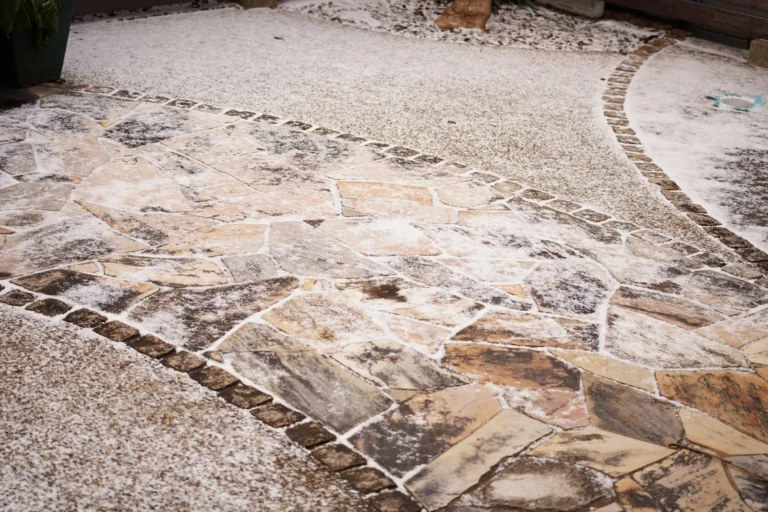
Photo by eberhard grossgasteiger via Pexels
What Backyard Drainage Work Really Costs
Budgeting is easier when you know the two numbers that drive the price: how much water you are moving, and how far it has to go.
- A single buried downspout extension: $150–$500 installed.
- A 40-foot French drain along a foundation: $1,000–$2,000 installed.
- A channel drain across a 10-foot patio edge: $300–$1,500 installed.
- A dry well with excavation in decent soil: $500–$3,000.
- Full regrading of a sloped backyard: $2,000–$10,000, driven by how much soil must move and how far it has to be hauled.
Two cost multipliers trip up first-timers. First, access: any trench that crosses a concrete walkway, driveway, or root-heavy tree line adds cutting, breaking, and hauling to the bill. Second, depth: a French drain dug an extra foot deep to get below the frost line or under a footing changes from a weekend job to a machine job. If you are planning drainage as part of a larger yard overhaul, read our breakdown of landscaping cost per square foot to see how it fits the overall budget.
Keeping Your Drainage System Working
A drainage system that never gets cleaned is one that quietly stops working. Add these to a twice-yearly routine, in spring and again after fall leaves drop:
- Rake and clear grates. Channel and catch-basin grates clog with leaves and grass clippings faster than you think.
- Flush the pipes. Run a garden hose into the highest inlet and check that water exits cleanly at the discharge point. If it backs up, you have a clog to snake or a collapsed section to replace.
- Inspect the discharge. Make sure the outlet is not buried under mulch, blocked by ice in winter, or dumping onto a neighbor’s property — a common source of disputes and code violations.
- Top up gravel. Gravel settles over several years; add more where the French drain has slumped so surface water still reaches the pipe.
- Check the grade. Every spring, re-check that soil, mulch, or new planting beds have not built up the ground back toward the house.
If the drainage work borders a patio, walkway, or garden bed, the surface matters as much as the pipe beneath it. See our paver walkway ideas and hardscaping ideas for backyard for surfaces that shed water cleanly while they look sharp.
Frequently Asked Questions
What is the best backyard drainage solution for a clay yard?
Clay drains poorly because the particles pack tight, so dry wells and simple regrading often fail to move water fast enough. A French drain with an adequate discharge point is usually the most reliable choice, since it physically carries water away through a pipe rather than asking the soil to absorb it. Pair it with downspout extensions and the smallest amount of regrading that establishes slope away from the house.
How much does it cost to fix backyard drainage?
Most single-problem fixes — one French drain run, a channel drain, or a buried downspout line — land between $1,000 and $3,000 installed. Full-yard systems with regrading, multiple trenches, and a discharge structure can reach $10,000 or more. DIY materials for a straightforward French drain run under $500.
Can I install a French drain myself?
Yes, if the yard has a natural low point to drain to and the soil is diggable without hitting ledge or utility lines. The work is physically demanding but mechanically simple: dig, grade, fabric, gravel, pipe. Depth beyond about two feet, crossings under concrete, or discharge into a municipal storm system are points where it is worth hiring a pro for the liability and permitting alone.
Do I need a permit for backyard drainage work?
It depends on the municipality, and more often than you might expect. Work that connects to a street storm sewer, crosses a property line, or changes how runoff leaves your lot frequently needs a permit and an inspection. Simple on-property French drains and downspout extensions are usually exempt, but call your local building department before connecting anything to public drainage.
How do I keep mosquitoes out of standing water?
Remove the standing water and you remove the breeding site. Mosquitoes need only a week of still water to complete a life cycle, so any backyard drainage solution that dries the yard within 24 hours breaks the cycle. For the few spots that genuinely cannot drain — a decorative pond or a catch basin — treat with mosquito dunks or install a small riser to keep water moving.
For grading and French-drain specifics, This Old House explains how to fix a soggy yard.
The Bottom Line
Backyard drainage solutions are one of the few home improvements that quietly pay for themselves year after year. A dry yard means a lawn that roots deep, a deck and fence that do not rot, and a foundation that does not slowly soak up moisture. Start by finding where the water comes from and where it can legally go, then match the fix to the problem — a downspout line for a misdirected gutter, a French drain for a wet foundation, a dry well where there is nowhere else to send it.
Fix the grade first, add pipe only where the grade cannot do the job, and maintain what you install. Done right, a $2,000 drainage repair is far cheaper than the $10,000 foundation repair it prevents. If you are planning a full backyard redo, start with drainage before you lay pavers, plant, or build — because the best-looking patio in the world is wasted if it floods every spring.