
Chimney Repair Cost: What Homeowners Actually Pay in 2026
A chimney is one of the hardest-working parts of your home’s exterior, and one of the easiest to ignore until something goes wrong. The good news is that most chimney problems are repairable for a lot less than you’d think. The average chimney repair cost in the United States runs $400 to $2,500, with minor fixes like crown sealing and flashing patches landing near the bottom of that range and major masonry work or liner replacement pushing toward the top.
Exactly where your job falls depends on what’s broken, how bad it is, and how hard your chimney is to reach. A leaky crown that you catch early might cost $300 to patch; a flue liner that has cracked and is venting carbon monoxide into the house is a four-figure safety repair you shouldn’t put off for a month.
This guide breaks down what each type of repair actually costs, what drives the price up, and how to know whether you’re looking at a quick fix or a full rebuild. Use it to read quotes with confidence and dodge the cheap bids that end up costing double a year later.
What a Chimney Repair Typically Costs
Most homeowners pay between $500 and $1,500 for a standard chimney repair, but the spread is wide because “chimney repair” isn’t one job. A tuckpointer resetting a few bricks and a masonry crew rebuilding a crown from the roofline up are in completely different price classes.
Here’s a quick look at how common repair types compare:
| Repair type | Typical cost range | What you’re paying for |
|---|---|---|
| Crown sealing/recoating | $300–$800 | Patching hairline cracks and resealing the concrete cap |
| Flashing repair/replacement | $200–$1,200 | Stopping roof leaks where the chimney meets the shingles |
| Repointing (tuckpointing) | $500–$2,500 | Grinding out and replacing deteriorated mortar joints |
| Brick replacement | $500–$2,500 | Cutting out spalled or cracked bricks and resetting them |
| Flue liner install | $2,000–$5,000 | Dropping a new stainless-steel or cast-in-place liner |
| Full chimney rebuild | $4,000–$15,000 | Demolishing and rebuilding the stack from the roof line up |
These figures assume a standard single-flue masonry chimney with normal roof access. Tall chimneys, steep roofs, and two-story heights can add 20–40% to the labor line on any of them.
Chimney Repair Cost by Job Type
Understanding what each repair involves is the fastest way to tell whether a quote is fair. Here’s how the most common jobs break down.
Crown Repair and Sealing
The crown is the sloped concrete or mortar cap on top of the chimney that sheds water away from the flue. Hairline cracks in a crown are almost routine even in newer homes, because concrete expands and contracts with every freeze-thaw cycle.
Catching cracks early keeps this cheap. A contractor can grind out the cracks, fill them, and apply a flexible crown coat sealer for roughly $300 to $800. If the crown has spalled badly — chunks missing, exposed aggregate, water pooling on top — it usually needs to be demolished and re-poured at a cost of $1,300 to $3,000, depending on access. Sealing a cracked crown is the single highest-value repair on this list, because it stops water from destroying everything below it.
Flashing Repair and Replacement
Chimney flashing is the sheet metal — usually aluminum, galvanized steel, or copper — that seals the joint where the chimney meets the roof. When flashing rusts through or the sealant fails, water runs straight into the attic or down the chimney chase.
Patching and resealing flashing runs $200 to $600. Full replacement with new metal is closer to $500 to $1,200, and copper flashing, which outlasts everything else by decades, can push past $1,500 on a large chimney. Leaks at this joint are routinely misdiagnosed as roof leaks, so if you see stains near the chimney, ask a professional to check the flashing before you call a roofer for a whole new roof.
Repointing (Tuckpointing)
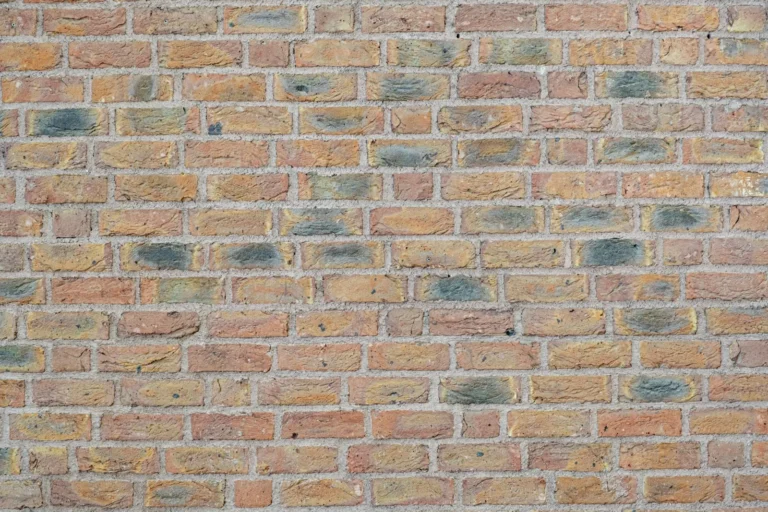
Mortar is the sacrificial layer of a chimney — it’s supposed to wear out before the brick does. When joints get sandy, cracked, or start falling out, the fix is repointing: grinding out the old mortar to a set depth and packing in fresh mortar that matches the original.
Repointing a chimney costs $500 to $2,500 depending on how many sides are bad and how much scaffolding the crew needs. Expect to pay on the higher end of the brick repointing cost range if the entire stack needs work or if the mortar joints are unusually wide. On a standard two-story chimney, a full repoint often lands around $1,000 to $2,000.
Flue Liner Replacement
The liner is the pipe inside the chimney that carries smoke and gases up and out. Original clay tile liners crack over time, and a cracked liner is a genuine safety issue — it can leak heat into surrounding framing and vent carbon monoxide into living spaces.
Replacing a liner with a flexible stainless-steel system typically runs $2,000 to $5,000 installed. Cast-in-place liners that are pumped in as a liquid and harden into a continuous flue run a bit more. This is not a DIY job, and it’s not one to defer once an inspection flags it.
Chimney Cap Replacement
The cap keeps rain, leaves, birds, and downdrafts out of the flue. A standard stainless-steel cap costs $150 to $750 installed, with multi-flue caps and custom sizing on the high end. It’s the cheapest insurance you can buy against moisture getting into the flue.

Photo by Horst Joachims via Pexels
What Moves the Chimney Repair Cost Up
Two identical chimneys in the same town can earn very different quotes. Here are the factors that actually drive the number on the estimate.
- Height and access. A one-story chimney with a walkable roof is quick work. A three-story chimney on a 12/12 pitch needs scaffolding, harnesses, and sometimes a lift, which can add $500 to $1,500 in setup alone.
- Location. Masonry labor in coastal California or the Northeast often runs 20–50% higher than in the Midwest or South. Urban markets also carry higher liability insurance baked into the bid.
- Extent of hidden damage. Water that’s been running behind cracked mortar for a decade can rot sheathing and framing around the chase. Nobody can quote that until the bricks come off.
- Material matching. Historic homes with special brick, lime mortar, or decorative corbelling cost more to match than a plain modern stack.
- Code upgrades. If the chimney was built before modern fireplace codes, a repair may trigger mandatory liner or clearance upgrades you didn’t plan on.
Repair vs. Replace: When It’s Time for a Rebuild
Most chimneys can be saved, but not all of them should be. A good rule of thumb: if repointing, crown, and flashing work would cost more than 60–70% of a rebuild, rebuilding starts to make financial sense.
A full chimney rebuild — tearing down to the roof line and relaying the brick — runs $4,000 to $15,000 for a standard exterior masonry chimney, with $8,000 to $10,000 being a common midpoint for a two-story brick stack. If the structure has settled, the brick is spalled through multiple courses, or there’s a significant lean, patching buys you a few years at most. A rebuilt chimney with a new liner, crown, and cap can reasonably serve the life of the house.
On the opposite end, if you’ve converted to a sealed gas or electric heating system and no longer use the fireplace at all, partial or full chimney removal is an option. Removing a chimney below the roof line costs $2,000 to $6,000, and removing the entire stack, roof patching included, runs $3,000 to $8,000. It’s a big job, but it eliminates the chimney maintenance burden forever.
Photo by Zekai Zhu via Pexels
When to DIY and When to Hire a Pro
Chimney work sits on a roof or a ladder, which immediately puts most of it out of safe DIY territory. Still, there are a few small jobs a careful homeowner can handle.
Worth doing yourself:
- Inspecting visible mortar and crown cracks from a ladder each fall
- Replacing a rusted chimney cap with a screwdriver and a new cap
- Recaulking the flashing edge seams with a high-quality exterior sealant (see our exterior caulking guide for the right products)
- Applying a breathable masonry water repellent like ChimneySaver to the stack
Leave to a licensed chimney sweep or mason:
- Any work requiring you to stand on the roof
- Repointing that requires grinding joints (angle-grinder work on a roof is a two-man job)
- Crown demolition and re-pour
- Flue liner replacement and anything involving the fireplace or heating system
- Structural evaluation of a leaning or settling chimney
The deciding line is simple: if the ladder makes you nervous, the repair makes you money. A fall off a roof costs vastly more than any chimney repair ever will, and masonry done wrong accelerates the exact water damage you’re paying to stop.
How to Keep the Next Chimney Repair Cost Low
The cheapest chimney repair is the one you prevent. A chimney that gets a $150 inspection every year or two will rarely need a surprise $3,000 job.
- Have the chimney cleaned and inspected annually if you burn wood, or before each season if it’s used rarely. A Level 2 inspection (with a camera down the flue) runs $300 to $500 and catches liner cracks early.
- Seal the crown and repoint joints at the first sign of cracking — small cracks turn into spalled bricks within a couple of freeze-thaw winters.
- Keep the cap on and intact so rain and critters stay out of the flue.
- Check the flashing and any wood trim around the chase each fall; if you spot rot there, address it early (learn what that costs in our wood rot repair cost guide).
- Reapply a masonry water repellent every five to seven years so the brick and mortar shed water instead of soaking it up.
Water is the enemy of every masonry chimney. Everything on that list is a water-management task, because 90% of chimney damage traces back to moisture getting in and freezing, thawing, and freezing again.
Frequently Asked Questions
How much does chimney repair cost on average?
Most homeowners pay between $500 and $1,500 for a typical repair. Minor fixes like crown sealing start around $300, while flue liner replacement and full rebuilds run into the thousands.
How do I know if my chimney needs repair?
Look for cracked or missing mortar joints, spalled (chipped or flaking) bricks, a cracked crown, rusted flashing, water stains on the ceiling near the chimney, or white efflorescence staining on the brick. Any of these means water is already getting in.
Is chimney repair covered by homeowners insurance?
Usually not for wear and tear, age, or deferred maintenance. It may be covered if a sudden, covered event caused the damage — a falling tree, a windstorm, or lightning, for example. Read your policy and file promptly if an event caused the damage.
How long does a chimney repair last?
Proper repointing and crown work should last 30 to 50 years or more. Flashing and sealant generally hold up 10 to 20 years depending on material. A stainless-steel liner is typically warrantied for 20 to 25 years.
Can I just seal the cracks instead of repointing?
Sealing with masonry caulk is a temporary fix for hairline cracks only. It’s not a substitute for repointing once joints are actually deteriorated, and using the wrong product can trap moisture and make the damage worse.
Why do some chimney repair quotes vary so much?
Because access, material matching, and hidden damage differ job to job. Get at least three written quotes and compare them line by line — and be suspicious of a bid that’s dramatically lower than the others, wire-brushed mortar or a coat of paint won’t fix a structural problem.
For inspection and maintenance details, This Old House explains how to keep a chimney in good shape.
The Bottom Line
Chimney repair cost is one of the more forgiving bills in home maintenance if you act early — a few hundred dollars for crown sealing or flashing beats several thousand for a liner or rebuild later. Most repair jobs land between $500 and $1,500, and the smart money goes toward catching problems while they’re still cheap.
Get an inspection before you panic over a quote, compare at least three written estimates line by line, and put your money into the water-management fixes first: the crown, the flashing, and the cap. Seal those three and keep them sealed, and your chimney will quietly do its job for decades. For more on the systems that protect your home’s exterior, see our guides on wood rot repair cost and weatherstripping windows and doors.