Drip Irrigation vs Sprinkler System: Which Is Right for Your Yard?
The drip irrigation vs sprinkler system question comes up on nearly every landscaping project, and for good reason. Both get water to your plants, but they do it in very different ways — and at very different prices. The right choice depends on what you’re growing, how much lawn you have, and how closely you watch your monthly water bill.
Before you spend a few hundred (or a few thousand) dollars on a new setup, it’s worth understanding how each system works, what it costs to install and run, and which one actually matches your landscape. Here’s a straight, no-nonsense comparison so you can decide with confidence.
How Drip Irrigation and Sprinkler Systems Work
A drip irrigation system delivers water slowly and directly to the root zone. It runs through a network of flexible tubing, emitters, and micro-sprayers that release water a few inches from the base of each plant at a rate measured in gallons per hour. Because the water goes straight into the soil, very little is lost to evaporation or blown away by wind.
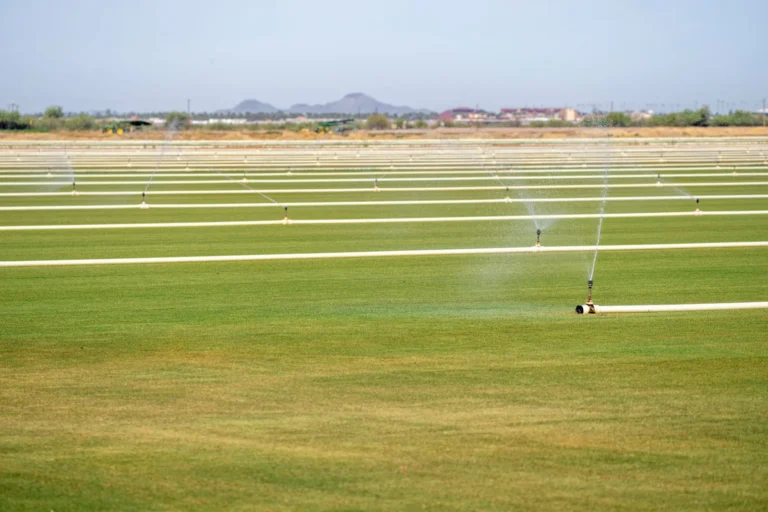
A traditional sprinkler system, by contrast, throws water through the air the way rain does. Rotary heads, spray heads, and impact sprinklers cover a fan-shaped or full-circle area, soaking a lawn or garden bed from above. Sprinklers are measured in gallons per minute, and they’re built to cover broad areas quickly and evenly.
The core difference comes down to precision versus coverage. Drip targets individual plants one emitter at a time; sprinklers blanket an entire zone in a single pass.
Drip Irrigation vs Sprinkler System: Side-by-Side Comparison
Here’s how the two systems stack up across the factors that matter most to a homeowner.
| Feature | Drip Irrigation | Sprinkler System |
|---|---|---|
| Water delivery | Slow, direct to the root zone | Spray through the air, top-down |
| Typical flow | 0.5–2 gallons per hour per emitter | 2–5 gallons per minute per zone |
| Water efficiency | 90%–95% | 65%–75% |
| Best for | Garden beds, shrubs, trees, containers | Lawns and large groundcover |
| DIY install cost | $50–$400 for a typical yard | $150–$1,200 for a full system |
| Pro install cost | $500–$3,000 | $1,700–$4,800 |
| Maintenance | Occasional clogged emitters | Head replacement, leaks, winterizing |
| Visibility | Hidden under mulch | Exposed heads, visible when running |
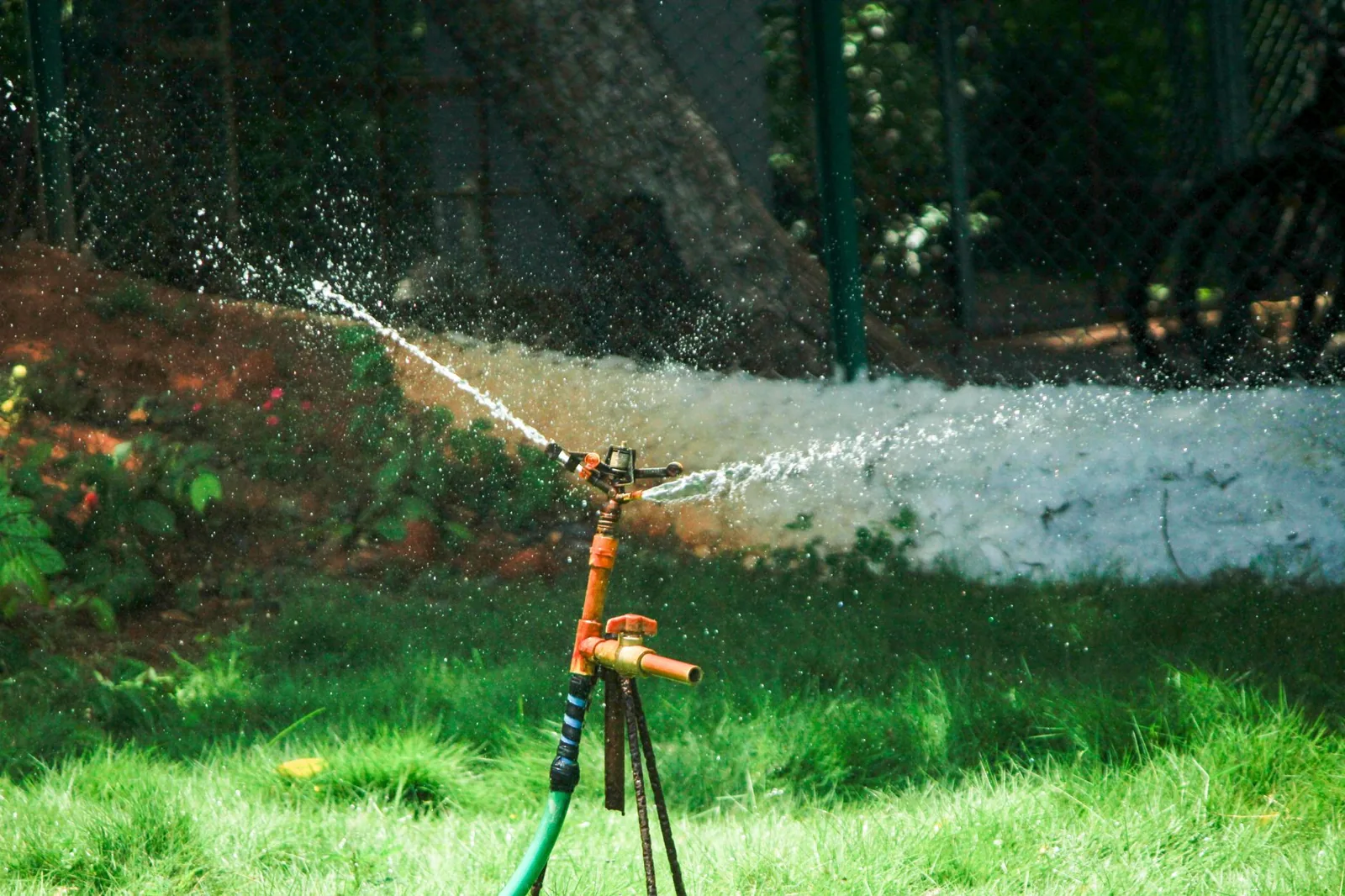
Photo by Saravanan Narayanan via Pexels
Cost and Installation
Upfront cost is where the two systems diverge most sharply, and it’s usually the first question people ask.
A basic drip kit for a small garden bed runs $30 to $80 at any big-box store — brands like Rain Bird, Orbit, and DIG sell kits with 50 to 100 feet of tubing, a pressure regulator, and a bag of emitters. Scaling up to a full landscape with shrubs, trees, and multiple zones pushes a DIY project into the $200 to $400 range. Hiring a pro to design and install drip across a larger yard typically costs $500 to $3,000, depending on square footage and how many zones you need.
Sprinklers cost more because they involve more hardware: a controller, valves, buried PVC or poly pipe, and multiple heads per zone. A DIY in-ground system for an average suburban lot comes to $400 to $1,200 in parts, while a professional install runs $1,700 to $4,800, or roughly $0.40 to $1 per square foot of watered area. Above-ground hose-end sprinklers are far cheaper — $10 to $40 each — but they’re a temporary fix, not a real system.
When you’re ready to map out the project, our guide to landscaping costs per square foot breaks down exactly where your budget goes.
Water Efficiency and Utility Bills
This is where drip irrigation wins nearly every time, and the numbers are significant.
Drip systems run at 90% to 95% efficiency because the water goes straight into the soil at the root line. Sprinklers, depending on the time of day and the wind, run between 65% and 75% efficient — the rest evaporates before it ever reaches the plant, or drifts onto the driveway and sidewalk.
The EPA estimates that a properly designed drip system can cut outdoor water use by 30% to 50% compared with conventional sprinklers. For a household spending $80 to $140 a month on water during the growing season, that’s real money back every single summer.
The savings come from two places. First, you’re not paying to water the air, the road, or your neighbor’s fence line. Second, drip lets plants grow healthier roots that need less frequent watering in the first place. Run the system early in the morning, water deeply but infrequently, and you’ll see the difference on your first bill.
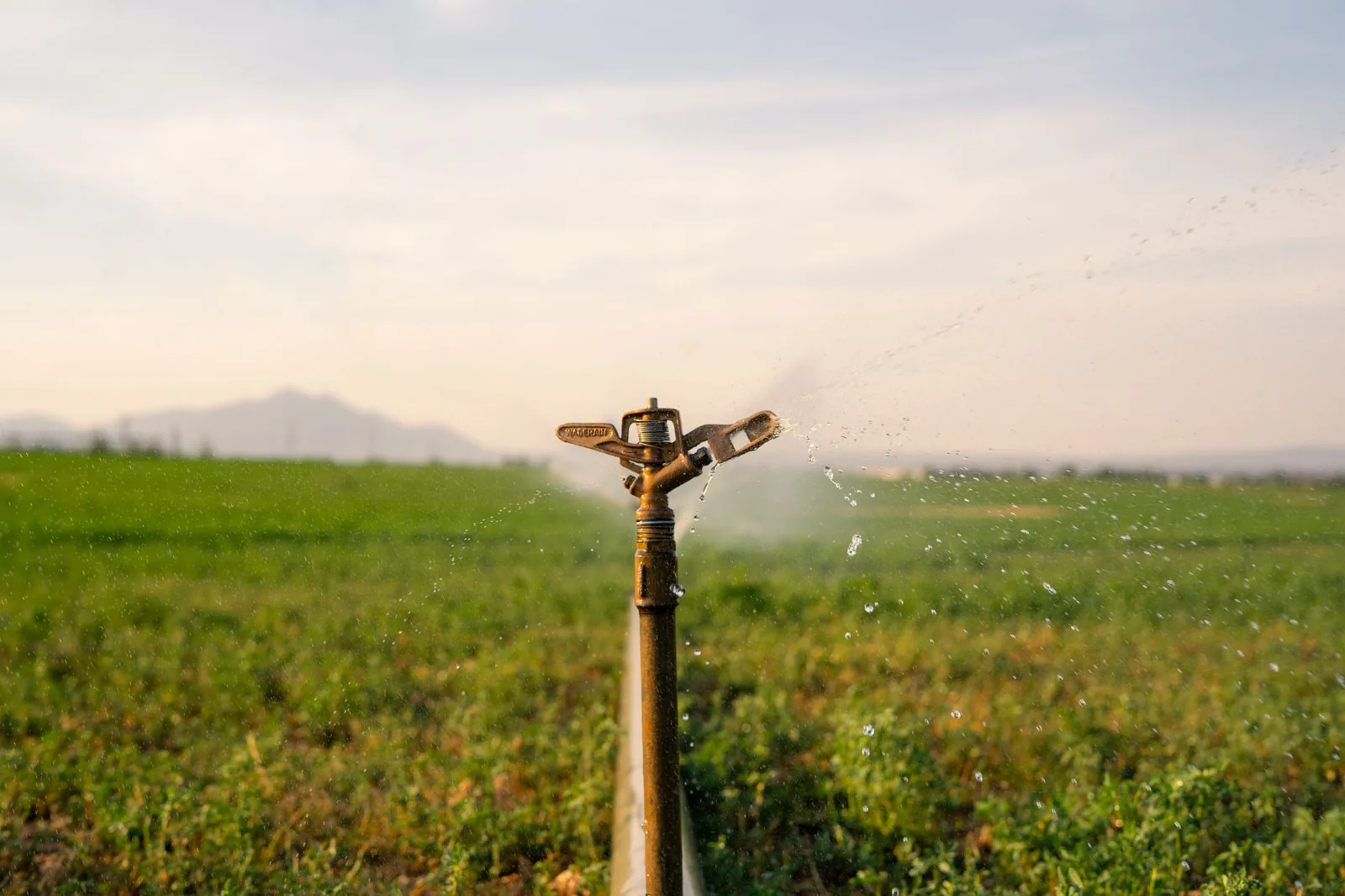
Photo by Rodrigo Armendariz via Pexels
Maintenance and Repairs
Both systems need attention, but the failure points are completely different.
Drip irrigation has very few moving parts, which means very little actually breaks. The recurring chore is clogged emitters — hard water, sediment, and root intrusion can plug the small openings over time. Flush the lines once or twice a season, swap out a cheap emitter when one clogs, and the system will run for years. Rodents and careless shovels can nick surface tubing, but a repair is a five-minute, $5 fix with a barbed connector.
Sprinklers have more parts that wear out and more places to fail. Heads get knocked out of alignment by mowers and foot traffic, seals start leaking at the base, and buried pipe cracks when it freezes. You’ll also need to blow out the system every fall in cold climates, or a hard freeze will burst the lines underground. Plan on replacing a few heads each season and, over a decade, occasionally digging up a cracked section of pipe.
For most homeowners, drip is the lower-maintenance choice over the long haul. And if you want to water even less, take a look at our xeriscaping ideas for the front yard to cut your outdoor water needs at the source.
Which Plants Are Best for Each System
Your plant list is the single best predictor of which system you should buy.
Choose drip irrigation if you’re growing:
- Trees and shrubs
- Flower beds and perennial borders
- Vegetable gardens and raised beds
- Container plantings and hanging baskets
- Foundation plantings close to the house
Choose a sprinkler system if you’re watering:
- A lawn, especially anything larger than 1,000 square feet
- Broad groundcover or turf areas
- Newly seeded grass
- Sports or play areas
A lot of homes actually need both — a sprinkler system on the lawn and a drip zone tapped off the same controller for the beds and borders. That hybrid approach is common and works well, since you only pay for precision where precision pays off. If your watering budget is already heading into the thousands, check our guide to irrigation system costs to see how a combined setup pencils out.
Frequently Asked Questions
Is drip irrigation better than a sprinkler system?
For garden beds, shrubs, and vegetable gardens, yes — drip is more efficient and easier on the plants, because it avoids wetting the foliage, which can invite mildew and fungus. For a lawn, there’s no practical drip alternative; you need a sprinkler to cover that much area.
How much water does drip irrigation save compared to sprinklers?
A well-designed drip system can cut outdoor water use by 30% to 50% versus sprinklers, according to the EPA’s WaterSense program. The exact figure depends on your climate, soil type, and what you’re growing.
Can I switch a sprinkler system to drip irrigation?
Yes. Sprinkler heads can be unscrewed and replaced with retrofit drip heads, or you can add a drip zone to an existing controller. Most manufacturers sell conversion kits for $10 to $30 per head, making it one of the cheapest upgrades you can make to an older system.
How long do drip and sprinkler systems last?
A quality drip system can last 10 to 15 years with occasional emitter replacement. An in-ground sprinkler system also lasts 10 to 20 years, though individual heads and valves typically need replacing every 5 to 10 years along the way.
Do I need a permit to install either system?
In most U.S. municipalities, self-installed irrigation doesn’t require a permit, but some areas do require a backflow preventer and an inspection — especially on sprinkler systems tied to a municipal water supply. Check with your local building department before you dig the first trench.
The Bottom Line
Drip irrigation vs sprinkler system isn’t a contest with a single winner — it’s a question of what’s actually in your yard.
If you’re watering beds, borders, trees, or a vegetable garden, drip is the smarter, cheaper, and far more water-efficient choice. If you’re keeping a lawn alive through the summer, you need the coverage only a sprinkler can deliver. For a lot of homeowners, the honest answer is a hybrid: sprinklers on the turf, drip on everything else.
Whichever route you take, get the design right before you bury the first line. The EPA’s WaterSense landscaping guidance is a solid starting point for planning an efficient system, and This Old House walks through the full drip installation step by step. A little planning up front means you’ll water less, pay less, and grow more.