Garage Floor Coating Cost: What You’ll Pay in 2025
A garage floor coating cost runs between roughly $1,800 and $4,500 for a standard two-car garage, with most homeowners landing around $2,500 to $3,200 for a professional epoxy system. At the low end, a weekend DIY kit can put a coat on a 450-square-foot floor for under $400. At the high end, a premium polyaspartic install with flake finishes and a clear topcoat can push past $5,000.
Where your project falls depends almost entirely on three things: the material you choose, the condition of your concrete, and whether you hire the job out. This guide breaks down each variable with real per-square-foot numbers so you can budget accurately before you call a contractor or crack open a kit.
What Determines Garage Floor Coating Cost
The single biggest driver is square footage. Most coating contractors quote by the square foot, and a typical single-car garage runs 250 to 300 square feet while a two-car garage spans 400 to 576 square feet. Bigger floor, bigger bill — but also a better per-foot rate, since the contractor’s setup, travel, and prep labor get spread over more surface.
The second factor is the condition of the slab. A clean, crack-free floor that just needs a light grind and acid etch is the cheapest to prep. A floor with oil stains, tire marks, spalling, or hairline cracks needs grinding, patching, and sometimes a moisture mitigation layer, and that prep work alone can add $1 to $3 per square foot. Homes with a moisture problem — common in basements and in garages built on flat slabs without a vapor barrier — can face peeling coatings a year later if the moisture isn’t handled first.
Material choice is the third lever, and it’s the one you control most directly. Epoxy, polyaspartic, and polyurea all price differently and last different lengths of time, which matters when you calculate cost over the floor’s lifetime rather than just the upfront check.
Garage Floor Coating Cost by Material
Not all coatings are the same product, and the price gap between a cheap acrylic sealer and a full polyaspartic system is wide. Here’s how the main options stack up for an installed job:
| Feature | Epoxy | Polyaspartic | Concrete Stain/Sealer |
|---|---|---|---|
| Installed cost per sq ft | $3–$7 | $5–$10 | $1–$3 |
| Typical two-car garage (450 sq ft) | $1,800–$3,200 | $2,700–$4,500 | $450–$1,350 |
| DIY-friendly? | Yes (kits available) | No | Yes |
| Expected lifespan | 10–15 years | 15–20 years | 1–3 years |
| Cure time before driving | 24–72 hours | ~24 hours | 12–24 hours |
Epoxy is the workhorse and the most common choice. A two-part, 100%-solids epoxy applied in two coats with a clear urethane topcoat is the gold standard for a residential garage. Water-based epoxies cost less but wear faster and don’t bond as well, so the savings usually aren’t worth it for a floor that sees vehicle traffic.
Polyaspartic is the premium option. It cures fast, resists UV fading (epoxy can yellow in direct sun near an open door), and handles hot-tire pickup better. It costs more up front but lasts longer and can be installed in a single day in cool weather, which is why many professional coating companies now lead with it.
Concrete stain and acrylic sealer is the budget route. It’s mostly a cosmetic improvement — it won’t protect against salt, oil, or heavy wear the way a real resin coat does — but it can make an old slab look presentable for a few hundred dollars. If your garage is storage-only and never sees a car, this can be a sensible cheap fix.
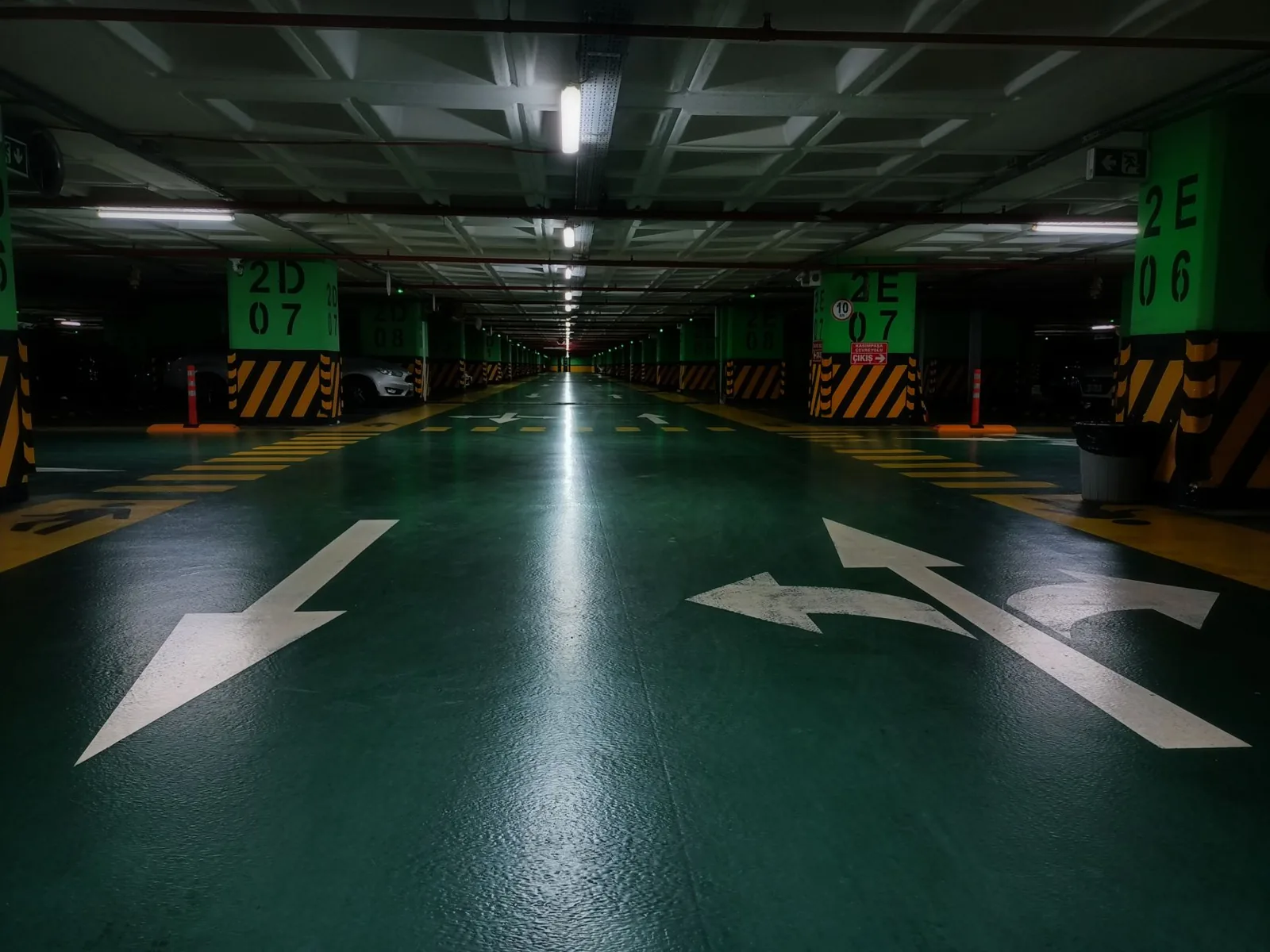
Photo by Filiz Yıldız via Pexels
DIY vs. Professional Installation
This is the decision that swings your garage floor coating cost the hardest, so it deserves its own section.
A DIY epoxy kit from a brand like Rust-Oleum EpoxyShield, RockSolid, or Epoxy-Coat typically runs $150 to $500 and covers a two-car garage. That pencils out to roughly $0.50 to $1.25 per square foot — a fraction of the $3 to $7 per square foot a pro charges. The catch is in the prep and the margin for error. Kits include an etching solution rather than a true diamond grind, which means the coating is only as strong as the adhesion you get from scrubbing. Skip the degreasing step and the coating can delaminate in months. Many first-time DIYers also run short on product because they don’t account for the porosity of older concrete.
Professionals charge more because they do it right: they grind the slab with a diamond floor machine, repair cracks with a two-part filler, check moisture levels, and apply a primer, base coat, broadcast flakes, and a urethane topcoat. That multi-layer system is why a pro floor can last 15 years while a rushed kit floor peels in three.
If your floor is in good shape, you’re handy, and you can keep the garage empty and climate-controlled for the 24 to 72 hours the coating needs to cure, DIY is a legitimate way to cut the bill by 60% or more. If the slab has cracks, oil stains, or moisture issues, the pro’s prep labor is what you’re actually paying for — and it’s usually money well spent.
What Else Goes Into the Final Bill
Beyond material and labor, several line items quietly raise the total.
Decorative flakes and colors. A full-flake broadcast finish — where vinyl chips are scattered until the base coat is completely covered — adds $1 to $3 per square foot and hides imperfections better than a solid color. Metallic and quartz finishes cost more still.
Topcoats. A separate polyurethane or polyaspartic clear coat adds wear resistance and UV protection. Some contractors bundle it; others quote it as an add-on of $0.50 to $1.50 per square foot. Never accept a bare epoxy with no topcoat for a floor that will see sun or traffic.
Crack repair and patching. Filling and smoothing a slab with spalling or wide cracks can add $100 to $400 on its own, before any coating goes down.
Moisture mitigation. In damp climates or below-grade slabs, a moisture-barrier primer or full vapor system may be required. Budget an extra $1 to $2 per square foot if a moisture test flags your slab.
Old coating removal. If a previous floor paint is flaking, it has to be stripped or ground off first, which adds prep time and cost.
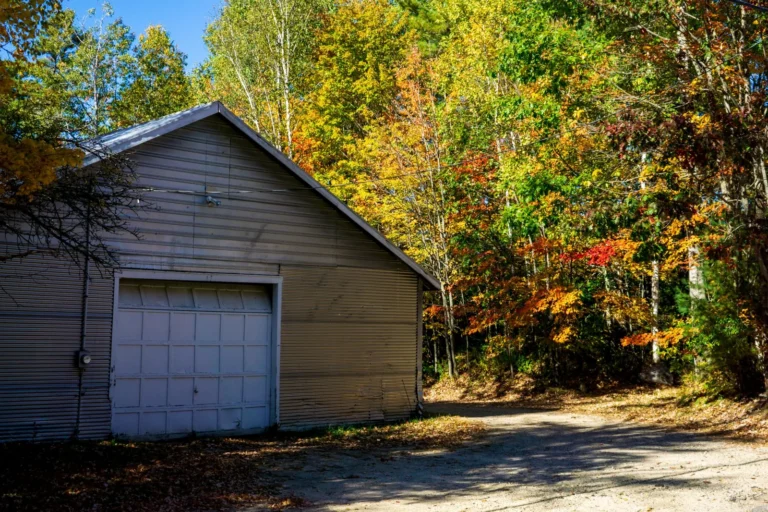
Access and logistics. A detached garage far from power, or a floor covered in shelving and boxes that have to be moved, adds labor hours. Clear the space before you get quotes — you’ll pay your contractor to move junk otherwise.
Photo by Jan van der Wolf via Pexels
How to Keep Your Garage Floor Coating Cost Down
You don’t have to settle for a cheap product to hit a lower number. A few moves trim the total without cutting corners.
First, get at least three written quotes and make sure each itemizes square footage, prep method, number of coats, and the topcoat. A low bid that skips the diamond grind or the topcoat isn’t cheaper — it’s just a thinner job. According to industry cost data compiled by Angi, epoxy garage floor coating ranges widely by region, so comparing apples-to-apples line items is the only way to spot a real deal from a stripped-down one.
Second, time the work for a shoulder season. Coating contractors book up in spring and fall, and some offer better rates in slower months when temperature and humidity are still within the product’s application window. Epoxy and polyaspartic both have temperature and humidity limits, so you can’t coat outdoors-friendly temperatures year-round — but a flexible schedule can save 5% to 10%.
Third, do the prep-adjacent tasks yourself. Clearing the garage, sweeping, and degreasing visible oil spots are all things you can handle the night before, and they reduce the contractor’s on-site hours.
Fourth, if you go DIY, buy the kit with a clear topcoat included rather than a bare single-coat product, and buy an extra kit if your floor is at the large end of the coverage range. Running out mid-job is a false economy.
Finally, treat the floor as an investment that protects the home rather than a cosmetic splurge. A coated floor resists the road salt, oil, and moisture that slowly eat concrete, and it makes the garage easier to clean and safer to walk on. Homeowners who plan to stay put should weigh the 15-year lifespan of a professional job against the shorter life of a kit. If you’re also upgrading the rest of the garage, budget the floor alongside related work — a new garage door installation cost or better garage insulation can be coordinated so the space is fully finished at once, and a well-organized space pairs naturally with a fresh floor once the coating cures and you’re ready to put garage organizer ideas into place.
Frequently Asked Questions
How much does it cost to coat a 2-car garage floor?
A two-car garage of roughly 400 to 500 square feet costs about $1,800 to $3,200 for a professional epoxy system and $2,700 to $4,500 for polyaspartic. A DIY epoxy kit for the same space runs $150 to $500.
Is epoxy or polyaspartic better for a garage floor?
Polyaspartic lasts longer (15 to 20 years vs. 10 to 15), cures faster, and won’t yellow in sunlight the way epoxy can near an open door. Epoxy is cheaper up front and remains the most common residential choice. For a floor that sees direct sun or heavy daily traffic, polyaspartic is often worth the premium.
Can I epoxy my garage floor myself?
Yes, if the slab is in good shape. A two-part kit with a clear topcoat, applied over a properly degreased and etched floor, can produce a solid result. Floors with cracks, oil stains, or moisture problems are better left to a professional, since those conditions are the leading cause of DIY coating failure.
How long does a garage floor coating last?
A professional two-coat epoxy with a urethane topcoat typically lasts 10 to 15 years. Polyaspartic systems run 15 to 20 years. Cheap acrylic sealers and one-part paints often need redoing within one to three years.
Why does garage floor coating cost so much?
Most of the bill is labor and prep, not product. A proper job involves diamond-grinding the slab, repairing cracks, checking moisture, and applying three or more layers. That prep is what makes the difference between a floor that lasts a decade and one that peels in a year.
The Bottom Line
Expect to budget roughly $2,500 to $3,200 for a professionally installed epoxy coating on a typical two-car garage, more if you opt for polyaspartic, decorative flakes, or have a slab that needs serious prep. DIY can cut that to a few hundred dollars, but only if your concrete is clean and crack-free and you follow the prep steps without shortcuts.
Whichever route you take, get itemized quotes, confirm the prep method and topcoat are included, and don’t chase the lowest number at the expense of the diamond grind and clear coat that make the floor last. A well-applied coating is one of the best return-on-investment upgrades you can make to a garage — it protects the concrete, brightens the space, and makes cleanup a quick hose-down instead of a scrub job.