Shed vs Garage Pros Cons: Which Storage Building Fits Your Yard?
The shed vs garage pros cons question comes up for almost every homeowner who is short on space. Both structures add square footage for tools, vehicles, and seasonal clutter, but they serve very different jobs and cost very different amounts of money. A shed is a storage solution; a garage is a room — one that can house a car, a workshop, or an entire home gym.
Before you pour a single yard of concrete, you need to know what each option actually costs, what your local building department will let you build, and what you will get back when you sell. This guide walks through the real numbers, the hidden expenses, and the practical trade-offs so you can decide with confidence.
Shed vs Garage Pros Cons: The Cost Breakdown
This is where most buyers start, and for good reason. The price gap between the two options is wide enough to end the debate for many people.
A basic prefab storage shed — the kind sold at big-box home centers — runs roughly $300 to $4,000 depending on material and size. A 10-by-12-foot wood shed with a floor typically lands between $1,800 and $4,500. A larger, site-built 12-by-16 shed with a ramp and upgraded siding can reach $6,000 to $10,000.
A garage is a different animal entirely. According to figures cited by This Old House, a one-car attached garage can run $10,000 to $27,000, a two-car garage $15,000 to $40,000, and a fully finished detached garage with electrical and insulation can push past $60,000. That is a five- to ten-times premium over a shed.
| Feature | Storage Shed | Garage |
|---|---|---|
| Typical cost | $300–$10,000 | $10,000–$60,000+ |
| Permit required | Often no (under size limits) | Almost always yes |
| Foundation | Gravel, blocks, or skids | Concrete slab, often engineered |
| Holds a vehicle | No | Yes |
| Insulation & electrical | Rare, add-on | Common |
| Resale value impact | Low | Moderate to high |
| Build time | 1–3 days | 2–6 weeks |
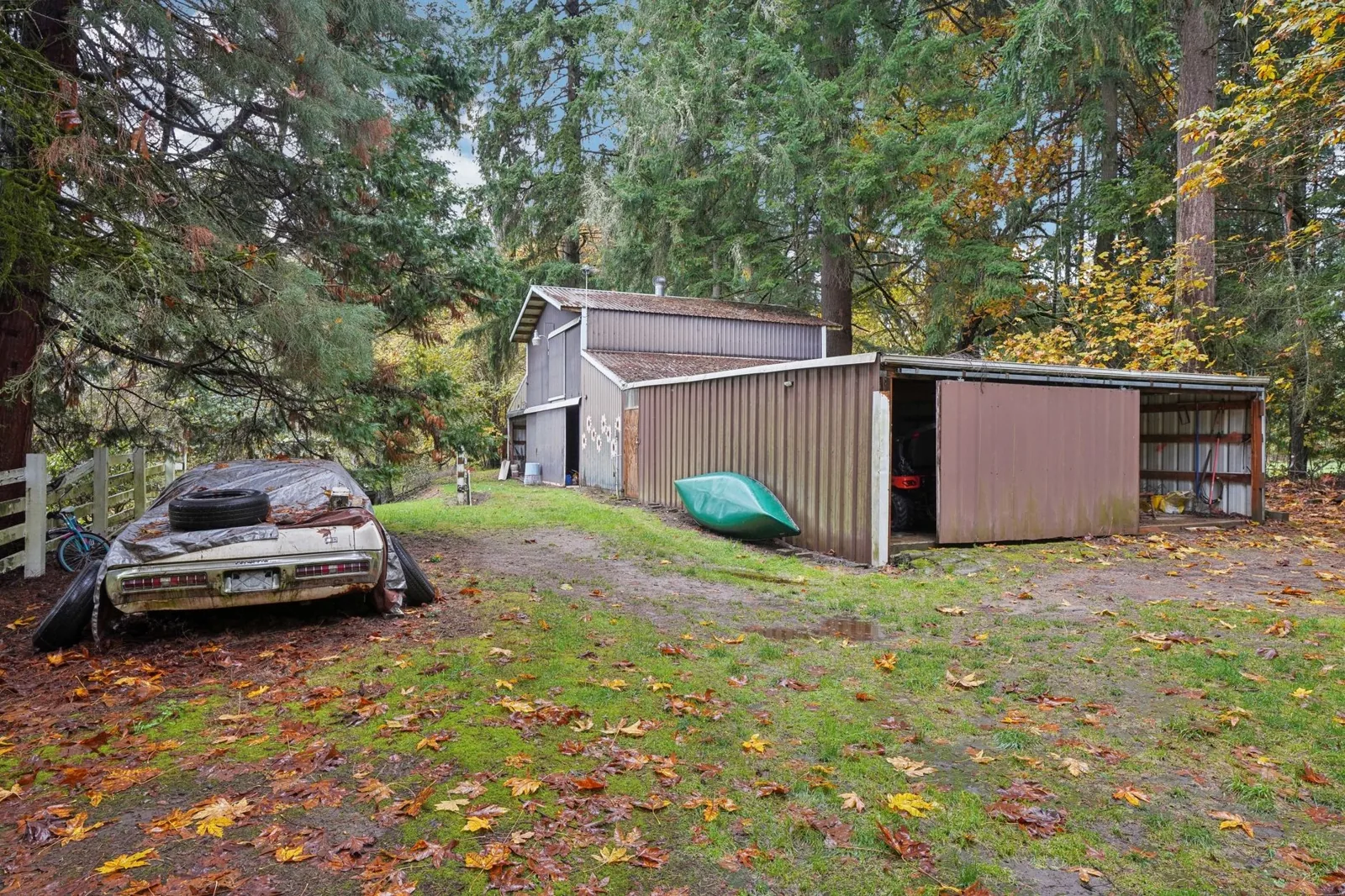
Photo by Stephen McDaniel via Pexels
Permits, Codes, and Site Prep
The paperwork difference is one of the biggest practical divides in the shed vs garage pros cons decision. In most US municipalities, a shed under 120 square feet and under about 10 to 12 feet in height does not require a building permit, though you may still need to respect setback rules from your property lines. A garage, by contrast, almost always requires a permit, engineered plans, and a series of inspections.
Site prep follows the same pattern. A shed can sit on a simple gravel pad or concrete deck blocks, which you can level yourself in an afternoon for $200 to $600 in materials. A garage needs a reinforced concrete slab — usually $4 to $8 per square foot for a basic 4-inch pour — plus excavation, forms, and possibly a frost-depth footer in colder climates. For a 24-by-24 garage, expect to spend $2,300 to $4,600 on the slab alone before framing even begins.
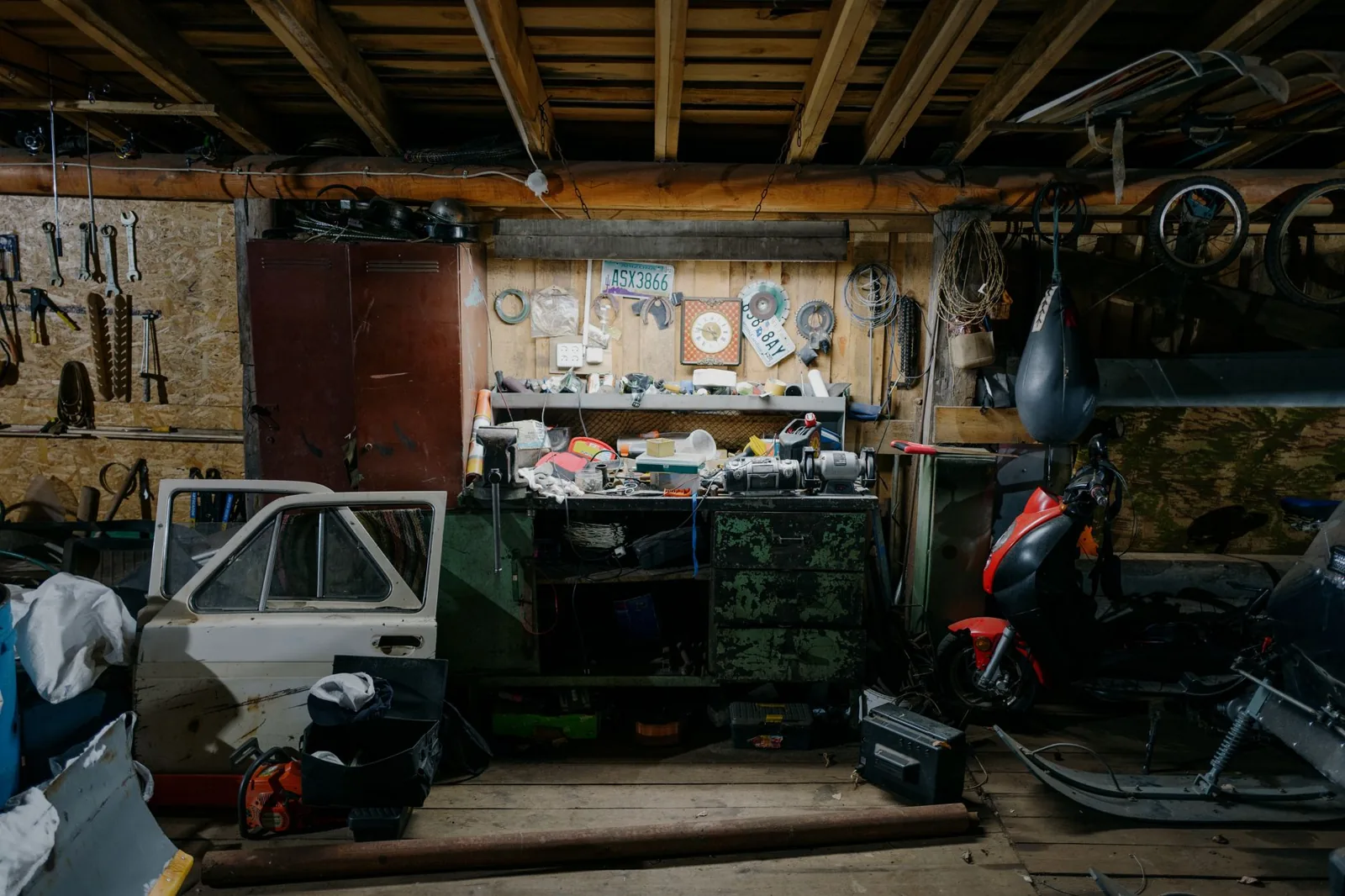
Photo by Daniil Ustinov via Pexels
Durability and Weather Resistance
A well-built structure in either category will last decades, but the floor of your expectations should differ. A quality wood shed with pressure-treated skids, painted siding, and a metal roof can give you 20 to 30 years of service with light maintenance. A metal shed will resist rot and insects but can dent, rust at the corners, and get unbearably hot in summer sun.
A stick-built or masonry garage is a different class of construction. Built to the same codes as your house, a properly maintained garage routinely lasts 50 years or more. Critically, it is weatherproof enough to protect a $30,000 car, not just a $400 lawn mower. If your goal is protecting high-value equipment from theft, moisture, and temperature swings, a garage wins on durability by a wide margin. A shed will keep the rain off your tools; it will not stop thieves with a pry bar or hold a consistent temperature in January.
What Each Structure Actually Does for You
Think about the job before you think about the building. A shed is ideal when you need to move clutter out of the house and into the yard cheaply: lawn mowers, snow blowers, garden tools, bikes, patio cushions, and seasonal decorations. It is a storage box, nothing more.
A garage earns its price tag because it can be a true multipurpose room. Beyond parking, homeowners use garages as wood shops, home gyms, organized storage walls, workshops for vehicle maintenance, and even finished guest spaces or home offices with the right insulation. If you plan to tinker, wrench, lift weights, or store a car you care about, a shed will frustrate you within a year. If you just need the mower out of the basement, a garage is overkill you will never recoup.
Resale Value and Property Appeal
When you sell, a garage and a shed do not carry equal weight with buyers. A garage — especially an attached or oversized two-car — is one of the most frequently requested features on a real estate listing, and appraisers typically assign it meaningful value. In many markets, a detached garage can return 60 to 80 percent of its construction cost at resale, and it can be the deciding factor for buyers with two vehicles, a boat, or a workshop hobby.
A shed returns far less. It may make a listing more appealing to the right buyer, but it is rarely a pricing lever. Some buyers even see a large shed as a maintenance obligation or an obstacle to the yard they want. If return on investment matters to you, spend on the garage. If your goal is simply to reclaim a cluttered basement today, a shed is the right tool — just do not expect it to move the needle on your home’s sale price.
Maintenance: Time and Money Over the Years
Both structures demand upkeep, but on different scales. A shed needs a fresh coat of paint or stain every 3 to 5 years, occasional roof shingle or metal-panel repairs, and attention to the base so it does not rot or sink. Budget $50 to $150 per year in materials, plus a weekend of your time. Most of this is DIY-friendly.
A garage carries a heavier burden. You are maintaining a second structure with its own roof, gutters, siding, and — if you add it — electrical and an automatic door. An insulated garage door with an opener is a $1,200 to $2,500 component that will need springs or panels replaced every decade or so. None of this is a reason to avoid a garage; it is simply the honest cost of owning a room instead of a box.
Frequently Asked Questions
Is a shed or a garage cheaper?
A shed is dramatically cheaper. Expect to pay $300 to $10,000 for a shed versus $10,000 to $60,000 or more for a garage. The gap comes from foundations, permits, framing, and the higher material and labor standards a garage requires.
Do I need a permit for a shed or garage?
Most sheds under about 120 square feet do not need a permit, though setback rules still apply. A garage almost always needs a permit, engineered plans, and inspections. Always confirm with your local building department before you buy or build.
Can I turn my shed into a garage?
Not practically. A shed’s framing, floor, and foundation are not engineered to support a vehicle or meet garage codes. If you need to park a car, build or buy a proper garage from the start — retrofitting a shed will cost more than doing it right.
Which adds more value to my home?
A garage, by a wide margin. It is a sought-after feature that appraisers value, while a shed is a convenience that rarely moves a sale price. If resale matters, put your budget into the garage.
What is the biggest hidden cost?
For garages, the concrete slab and permitting are the expenses buyers forget. For sheds, it is site prep and a proper base — a shed built on soggy, unlevel ground will rot or sink within a few years.
The Bottom Line
The shed vs garage pros cons equation is not really about which structure is better — it is about which job you need done. If you need cheap, fast storage for lawn equipment and seasonal clutter, buy a shed, prepare a level base, and pocket the difference. If you need to protect a vehicle, run a workshop, or add lasting value to your property, a garage is the only answer.
Whichever you choose, get the numbers right before you commit. Check your local permit requirements, price out the foundation, and compare quotes from at least three builders. For more on the numbers behind each option, see our guides on shed cost by size, detached garage cost, and garage organizer ideas to make the most of the space you end up building.