Lawn Edging Ideas: 12 Ways to Define Your Yard
A crisp edge is the fastest way to make a lawn look professionally maintained, but the material you choose changes everything about the look, the cost, and how much upkeep you sign up for. The right lawn edging ideas turn a ragged line between grass and flower bed into a deliberate design feature, and they can also stop mulch from washing onto walkways and keep turfgrass from creeping into garden beds.
You can spend under $50 on a weekend project or several thousand dollars on stone that lasts decades. The trick is matching the material to your climate, your soil, and how much time you actually want to spend on maintenance. Below are the options worth considering, with real price ranges, honest durability notes, and installation advice for each.
Why a Crisp Lawn Edge Is Worth the Effort
Edging does three jobs at once, and each one saves you money or time over the long run. First, it creates a physical barrier that stops grass rhizomes from invading flower beds and vegetable patches. Second, it holds mulch, gravel, or soil in place so rain and foot traffic don’t scatter it across the lawn. Third, it gives the whole yard a finished silhouette, which is a large part of what buyers and neighbors read as “well kept.”
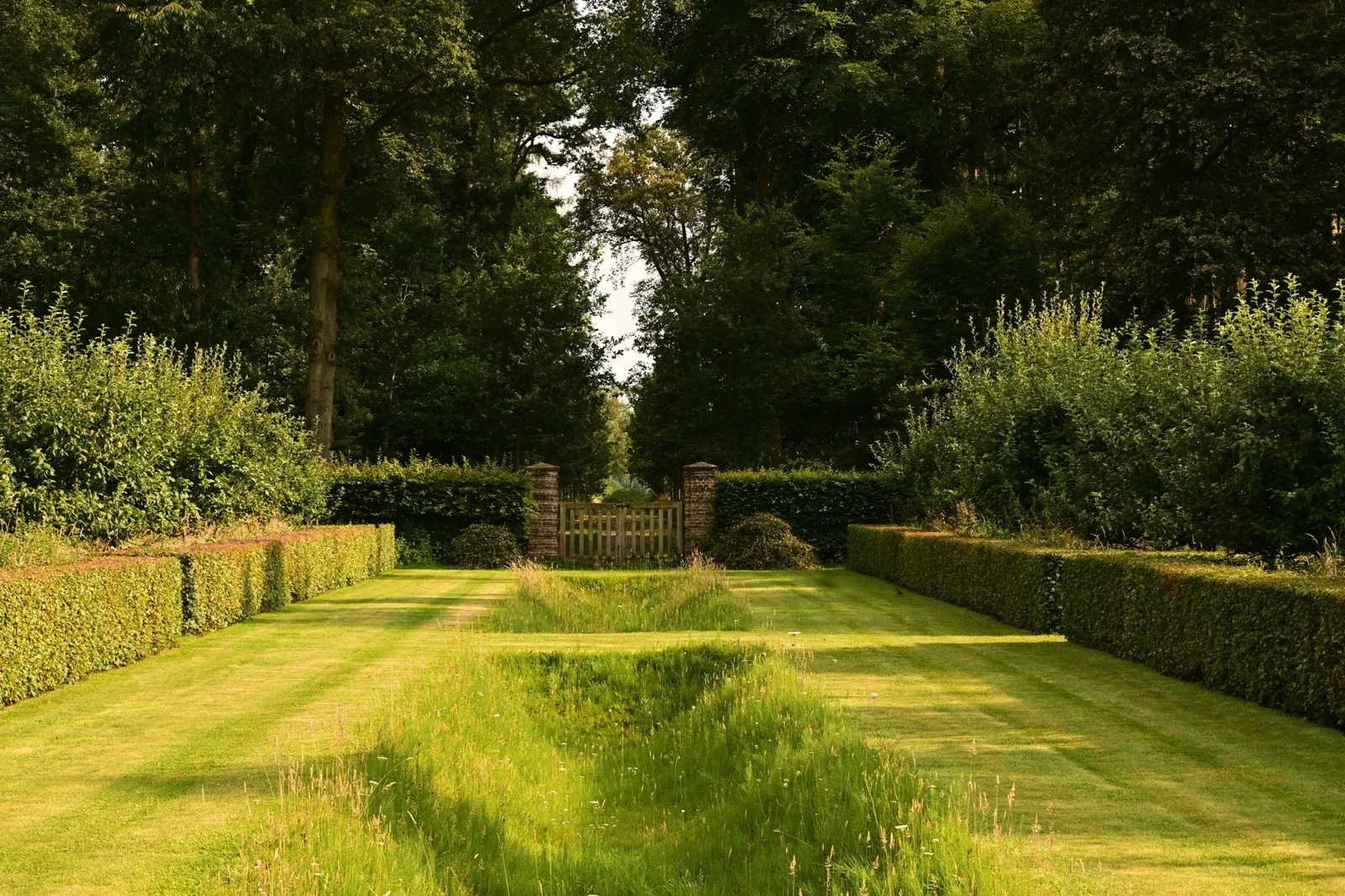
The payoff shows up in more practical ways too. A mowing strip — a flat hard edge where the mower wheel rides — means you can cut right to the border without a string trimmer. That trims ten or fifteen minutes off every weekly mow and protects flower stems from accidental clipping.
The Best Lawn Edging Ideas for Every Budget
Some materials read as temporary, and others as permanent. Here’s how the most common options break down by price and effort.
Steel and Aluminum Edging
Thin steel and aluminum strips are the standard for modern, minimalist yards. Steel edge comes in 8- to 16-gauge rolls or rigid 10-gauge sections; the heavier the gauge, the longer it holds. Prices run roughly $1.50 to $4 per linear foot for material, and installers typically charge $6 to $12 per foot with labor.
- Pros: Nearly invisible in the landscape, easy to curve, resists frost heave better than concrete.
- Cons: Raw steel develops a rust patina some people dislike; cheap flimsy strips can bend when you mow over them.
Photo by 🇻🇳🇻🇳Nguyễn Tiến Thịnh 🇻🇳🇻🇳 via Pexels
Brick and Paver Edging
Laying brick flat or on edge creates a classic border that works with traditional homes. New clay brick costs $0.50 to $1 each; a single row flat covers roughly 3 bricks per linear foot, so budget $2 to $4 per foot for material. Reclaimed brick is cheaper if you can find it, but quality varies.
Bricks need a compacted base to stay level, so this is more labor than steel. The upside is that a well-built brick edge easily lasts 20 years and can be reset if a section sinks.
Natural Stone and Flagstone
Irregular fieldstone, cobbles, and cut flagstone are the premium option. Stone runs $6 to $20 per linear foot for material alone, and because each piece is different, installation is slow. Expect $20 to $50 per foot installed. It has no equal for durability — with a proper base, dry-stacked stone can outlast the house.
Concrete and Cast-in-Place Edging
Precast concrete scallops from big-box stores cost $2 to $5 per foot and install quickly, but they look dated and heave easily in freeze-thaw climates. A better use of concrete is pouring a continuous curb — a crisp 6-inch-wide mowing strip that follows the bed line. Contractors typically charge $7 to $12 per linear foot for continuous poured curb.
Quick Compare: Lawn Edging Ideas Side by Side
| Feature | Steel Edging | Brick Edging | Natural Stone | Concrete Curb |
|---|---|---|---|---|
| Material cost / ft | $1.50–$4 | $2–$4 | $6–$20 | $5–$12 (poured) |
| DIY difficulty | Easy | Moderate | Hard | Hard |
| Lifespan | 15–25 yrs | 20+ yrs | 30+ yrs | 20–40 yrs |
| Frost-heave resistance | Good | Fair | Excellent | Poor if cracked |
| Best for | Modern beds, curves | Traditional homes | High-end borders | Mowing strips |
Budget Lawn Edging Ideas You Can Finish in a Weekend
If you want a visible improvement without a contractor, these four options land under $100 for a typical 50-foot border.
- Plastic or recycled-composite edging ($0.50–$1.50/ft): The least expensive option, easy to bend around curves, but the flimsy stuff warps in heat and can pop out of the ground after a few winters.
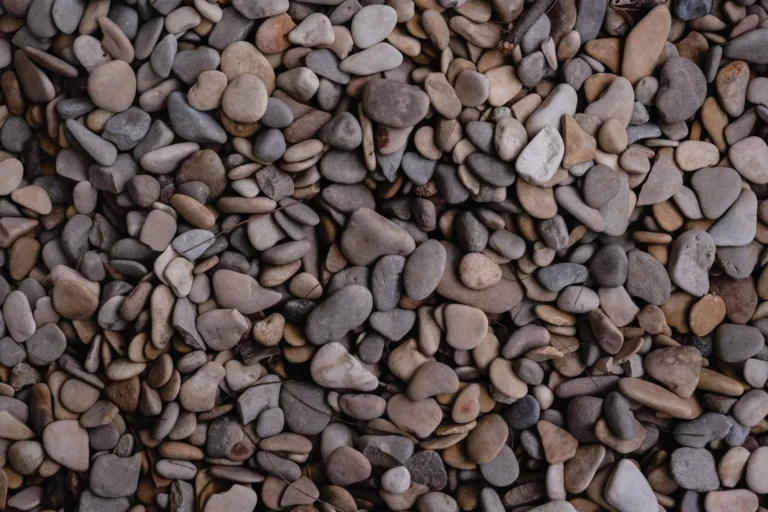
- River rock or gravel trench ($2–$4/ft): Dig a 6-inch-wide, 4-inch-deep channel and fill it with 1-inch river rock. It lets water drain and looks natural, but needs an occasional top-up as stones sink.
- Pressure-treated landscape timbers ($1–$3/ft): Cheap, straight, and good for raised beds, but they rot eventually and can leach treatment chemicals near edibles.
- Salvaged materials ($0–$2/ft): Split firewood rounds, glass bottles buried neck-down, or leftover paver offcuts from a previous project. The look is eclectic, and the price is often free.
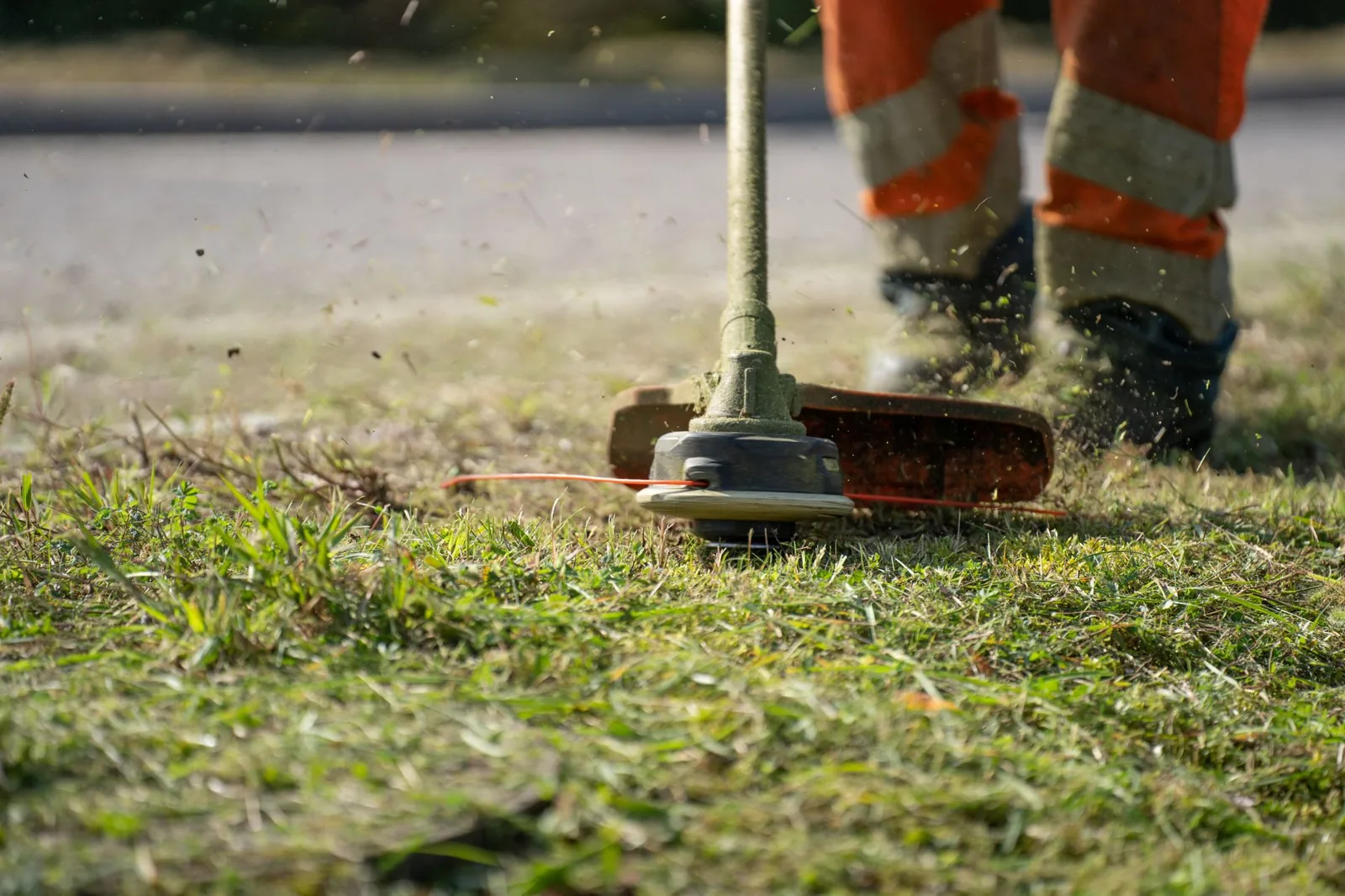
Photo by Pascal Küffer via Pexels
Reclaimed and DIY Approaches That Actually Hold Up
Two budget tricks outperform the rest in wet climates. A trench filled with crushed granite packs almost like mortar and drains far better than plastic edging. And a row of half-buried bricks set on a thin sand bed offers the classic look of masonry at a fraction of full installation cost, provided you tamp the base first.
Premium Lawn Edging for a High-End Look
When budget matters less than permanence, the decision comes down to stone versus steel.
Dry-Stacked Stone
Dry-stacking means fitting stones without mortar, which lets the wall flex through freeze-thaw cycles instead of cracking. It’s the right call in cold climates where mortared edges fail. Choose a single type of stone — bluestone, granite cobble, or limestone — and keep the top course roughly level; irregularity in the lower courses is part of the charm.
Corten Steel
Corten, or weathering steel, forms a stable rust-colored patina that pairs well with contemporary architecture and ornamental grasses. It runs $8 to $15 per foot and is usually sold in rigid panels that install like a stake-in kit. The patina is intentional and does not rust through, so don’t treat it as a defect.
Mortared Stone or Brick
Mortared edges look the most finished and stay put forever, but they cannot flex. One crack in the mortar lets water in, and freeze-thaw pops stones loose. Reserve mortar for warm climates or interior courtyards that don’t see deep freezes.
How to Install Lawn Edging the Right Way
Whatever material you choose, the failure point is almost always the base, not the product. Follow this sequence for any rigid edging:
- Mark the bed line with a garden hose or landscape paint.
- Cut the edge with a flat spade to a depth of 4 to 6 inches, keeping the cut vertical.
- Remove the strip of sod and set it aside.
- Add 2 to 3 inches of compacted base — stone dust, crushed gravel, or paver sand — and tamp it level.
- Set the edging on the base and backfill both sides, tamping as you go.
- For mowing strips, leave the top edge one inch above the lawn so the mower wheel rides it cleanly.
For materials like steel and plastic that come on coils, install on a warm day when the material is pliable, and stake every 3 to 4 feet. Curves should be gradual; a tight radius stresses any rigid product and eventually kinks plastic.
Maintenance That Keeps the Edge Looking Sharp
Edging is low-maintenance only if you protect it from the two things that break it: grass overgrowth and frost heave.
- Run a string trimmer vertically along the edge every two to three weeks in the growing season.
- Once a year, pull any grass stolons that have jumped the barrier.
- In northern climates, expect some heave in plastic and precast concrete; plan to reset a few sections each spring.
- For rock and gravel trenches, rake stones back into place after heavy rain.
A stone or steel edge is close to zero-upkeep once installed, which is the main argument for spending more up front. If you’re weighing an edge against other yard upgrades, our landscaping cost per square foot breakdown puts the numbers in context, and a matching hardscaping plan for your backyard pulls the whole design together. Border materials also pair naturally with a defined garden path that connects the beds you’ve just edged.
For step-by-step installation guidance, This Old House’s guide to garden edging walks through the trenching and setting in detail, and Bob Vila covers material comparisons if you want a second opinion before buying.
Frequently Asked Questions
What is the cheapest way to edge a lawn?
Plastic or recycled-composite edging at $0.50 to $1.50 per linear foot is the cheapest purchased option, and a simple spade-cut edge — a clean vertical trench with no material at all — costs nothing but time. River-rock trenches are a close runner-up at $2 to $4 per foot and look better than flimsy plastic.
Does steel edging rust?
Standard steel develops a thin surface patina over time, which is cosmetic and does not affect strength. If you want the look without any rust, choose aluminum edging, which costs slightly more and never oxidizes. Corten steel is designed to rust to a stable, protective layer on purpose.
How deep should lawn edging go?
Six inches is the general minimum for stopping grass rhizomes; most stakes and commercial edging are sized for a 4- to 6-inch trench. Dig a little deeper and add a compacted base of stone dust or sand in areas with heavy clay or freezing winters.
Is lawn edging worth the money?
For most homeowners, yes. Edging reduces weekly trimming time, keeps mulch and gravel contained, and improves a property’s curb appeal at a few dollars per foot. A mowing strip alone can pay for itself in saved labor within a season or two.
Can I install lawn edging myself?
Steel, plastic, and river-rock edging are beginner-friendly weekend projects. Brick, stone, and poured concrete need more base preparation and are worth hiring out if you have a long run or uneven ground — expect $6 to $50 per linear foot installed depending on material.
The Bottom Line
The best lawn edging ideas match the material to your climate, your home’s style, and the time you’re willing to spend. If you want an invisible, modern line on a budget, steel or aluminum is the default. If you want permanence and a classic look, brick or natural stone earns its price. If you want to spend almost nothing this weekend, a clean spade edge or a river-rock trench will still sharpen up the whole yard.
Start by edging one bed this weekend and living with it for a season before committing to the full perimeter. Using the right technique — a vertical cut, a compacted base, and a mowing strip one inch high — matters more than the material you pick. Get the edge right once, and the rest of the yard falls into line behind it.