Shed Cost by Size: What You’ll Pay From 6×4 to 14×20
Shed cost by size is one of the first numbers homeowners need before clearing a spot in the yard, and the spread is wider than most people expect. A compact 6×4 resin kit can run under $500, while a fully installed 14×20 wood workshop with a concrete pad and electric can top $15,000. Most buyers land somewhere in the middle, spending roughly $1,500 to $6,000 for a mid-size shed that actually holds what they need it to.
The size of the shed is the single biggest lever on price, but it is never the only one. Material, foundation type, delivery, and whether you assemble it yourself or pay for installation all move the final number by hundreds — sometimes thousands — of dollars. This guide breaks down realistic cost ranges by footprint, square footage, and build type so you can budget accurately before you buy.
How Shed Pricing Actually Works
Shed manufacturers price almost entirely by floor area. The industry standard is cost per square foot, and that figure changes based on material. Expect to pay roughly $15 to $40 per square foot for a basic resin or metal shed, $25 to $65 per square foot for wood, and $50 to $150 per square foot for premium wood or vinyl models with upgraded doors, windows, and trim.
Square footage also dictates the extras. A small shed sits on blocks and needs no permit in most jurisdictions. A large one often requires a gravel base or concrete slab, and many towns trigger a building permit once the footprint crosses 120 square feet. Those add-ons are not optional line items — they are part of the real shed cost by size.
One more factor people overlook: labor. Prefab kits are priced for DIY assembly, but a 10×12 wood shed is a genuine two-day project for two people. If you hire it out, add $300 to $1,500 in installation depending on the size and material. Metal and resin clip-together kits are far friendlier to first-timers.
Shed Cost by Size: Typical Price Ranges
Here is what you should expect to pay for the most common footprints, assuming a mid-range material and either DIY assembly or modest installation help.
| Shed Size | Square Feet | Typical Material Cost | Installed Total Range |
|---|---|---|---|
| 6×4 ft | 24 sq ft | $300–$900 | $500–$1,500 |
| 8×6 ft | 48 sq ft | $600–$1,400 | $900–$2,200 |
| 10×8 ft | 80 sq ft | $1,100–$2,600 | $1,600–$4,000 |
| 8×12 ft | 96 sq ft | $1,400–$3,200 | $2,000–$5,000 |
| 10×12 ft | 120 sq ft | $1,800–$4,200 | $2,500–$6,500 |
| 12×16 ft | 192 sq ft | $3,000–$7,500 | $4,500–$11,000 |
| 14×20 ft | 280 sq ft | $5,500–$13,000 | $8,000–$18,000 |
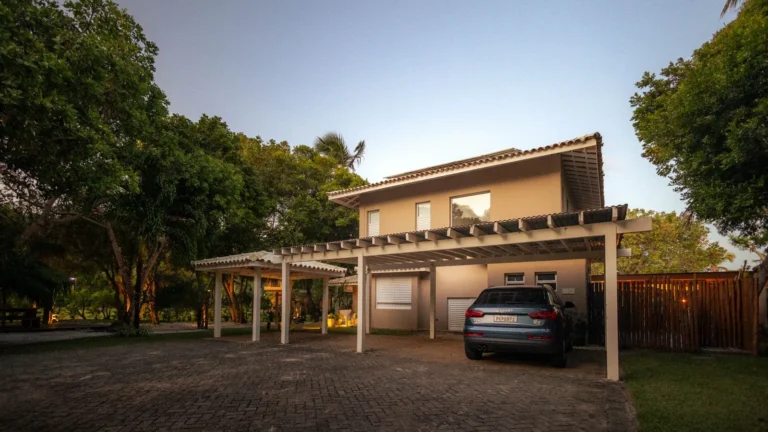
The “installed total” column includes a basic foundation (blocks or gravel), delivery, and professional assembly where it makes sense. Keep in mind that a 14×20 building crosses into the territory where many people simply consider a small detached garage instead, especially if they plan to park a mower, an ATV, or run power.
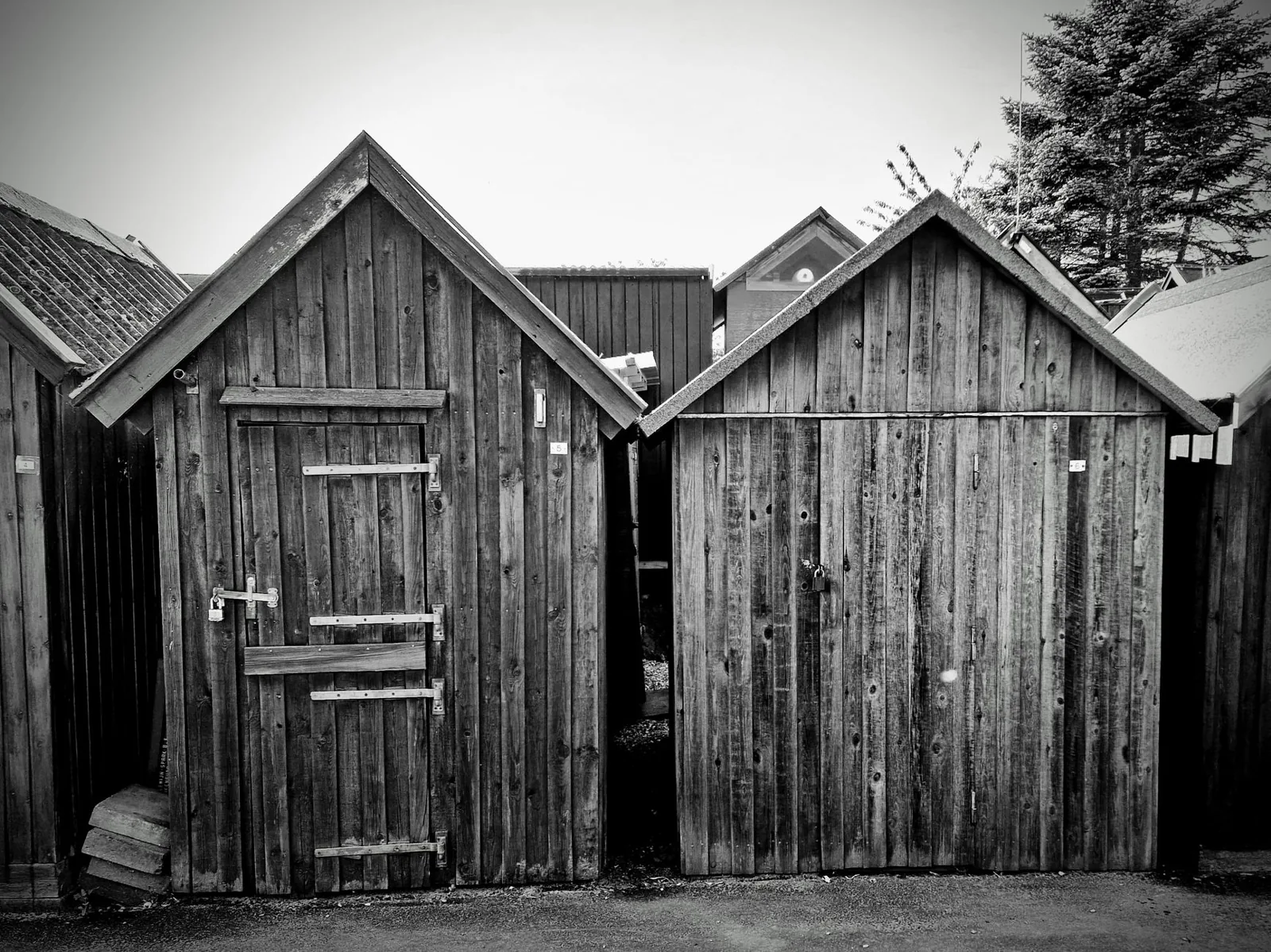
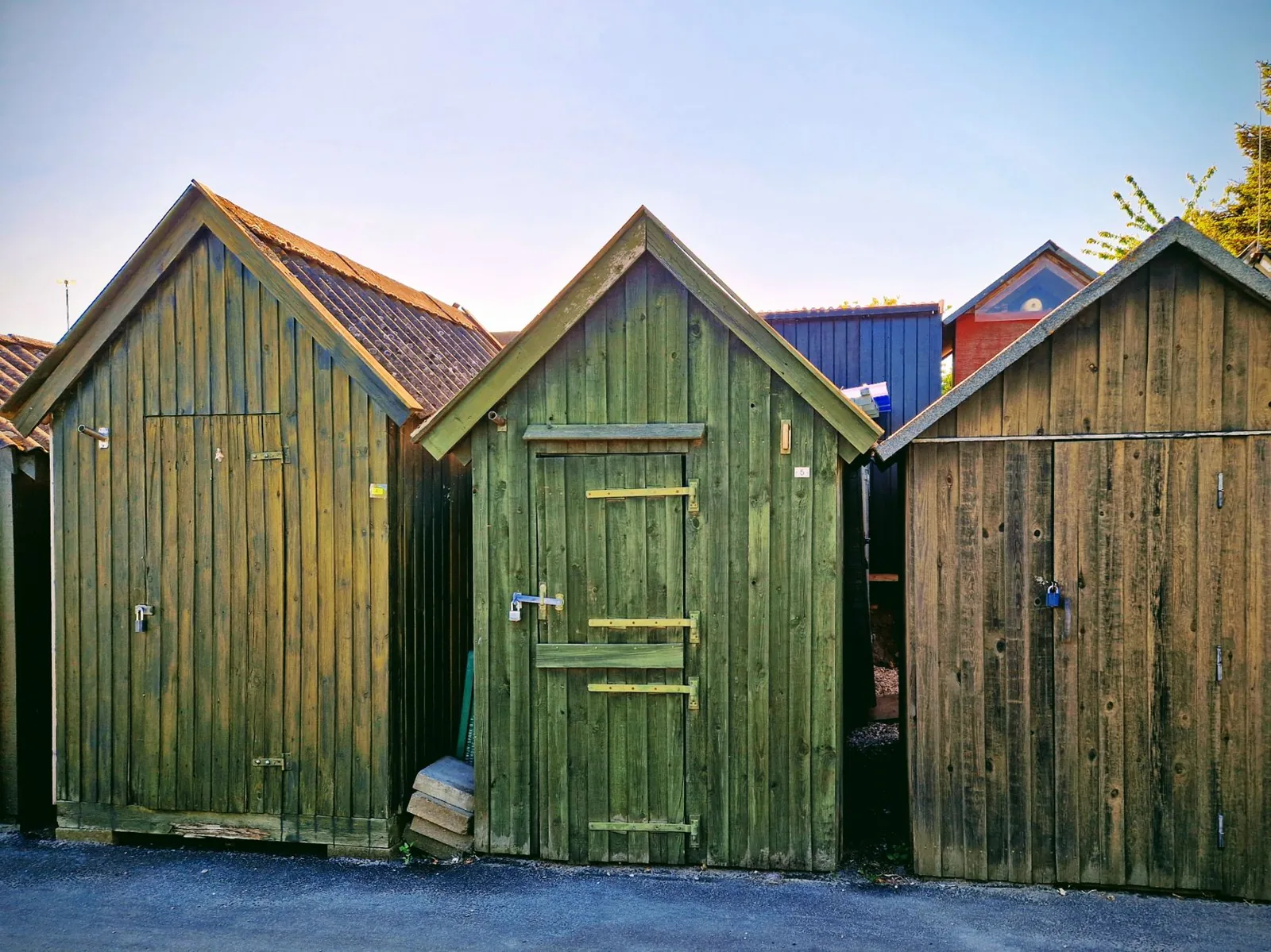
Photo by Peter Holmboe via Pexels
Small Sheds (6×4 to 8×6)
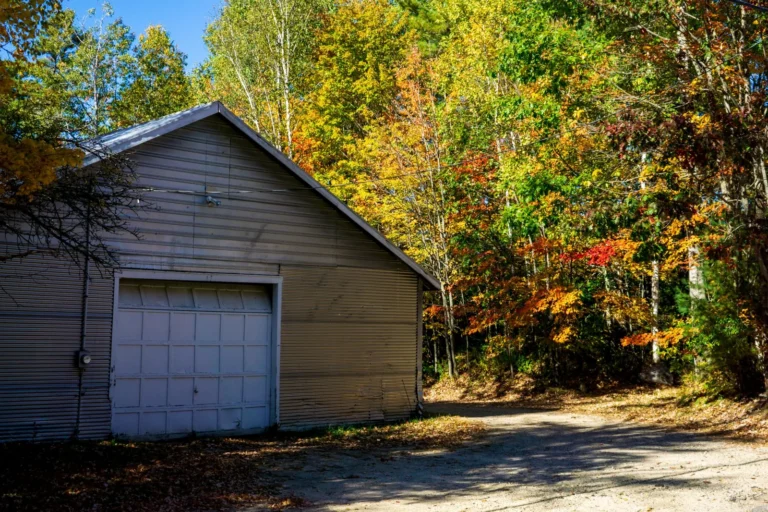
These are the budget workhorses. A 6×4 shed holds a mower, a few garden tools, and some bags of soil — and not much else. Resin models from brands like Suncast and Keter dominate this bracket at $300 to $900, and most can be assembled solo in a few hours.
An 8×6 roughly doubles your floor space for a modest price bump and is the smallest footprint that comfortably fits a shelf along one wall plus a narrow walking aisle. Metal versions from Arrow and Yardline add security for storing pricier tools, typically landing between $600 and $1,400.
Medium Sheds (10×8 to 10×12)
This is the sweet spot for most suburban backyards. A 10×8 or 8×12 gives you room for a riding mower, bikes, and stacked storage bins, while a 10×12 crosses 100 square feet and starts to feel like a real workspace.
At this size, wood becomes more common because people want something that looks intentional rather than utilitarian. Expect $1,800 to $4,200 for a quality wood kit, with vinyl-clad models running higher. This is also the size where you should budget for a proper base — a compacted gravel pad runs $200 to $600, a concrete slab $800 to $2,000.
Large Sheds (12×16 and Up)
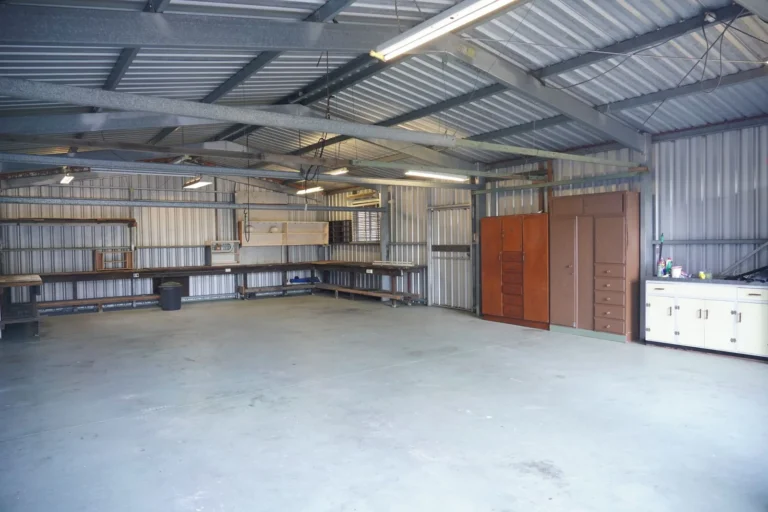
Once you pass 12×16, you are no longer buying a shed — you are buying a small building. These structures often need a concrete slab, a permit, and professional assembly, and they routinely carry double doors sized for a zero-turn mower or small tractor.
At this scale, material matters enormously. A basic 12×16 wood shed with a single door might cost $3,000 to $7,500, but add insulated walls, windows, a workbench, and a roll-up door and you can clear $11,000 quickly. A 14×20 shop-style shed is essentially a mini garage and prices like one — see how the math compares in our shed vs. garage breakdown.
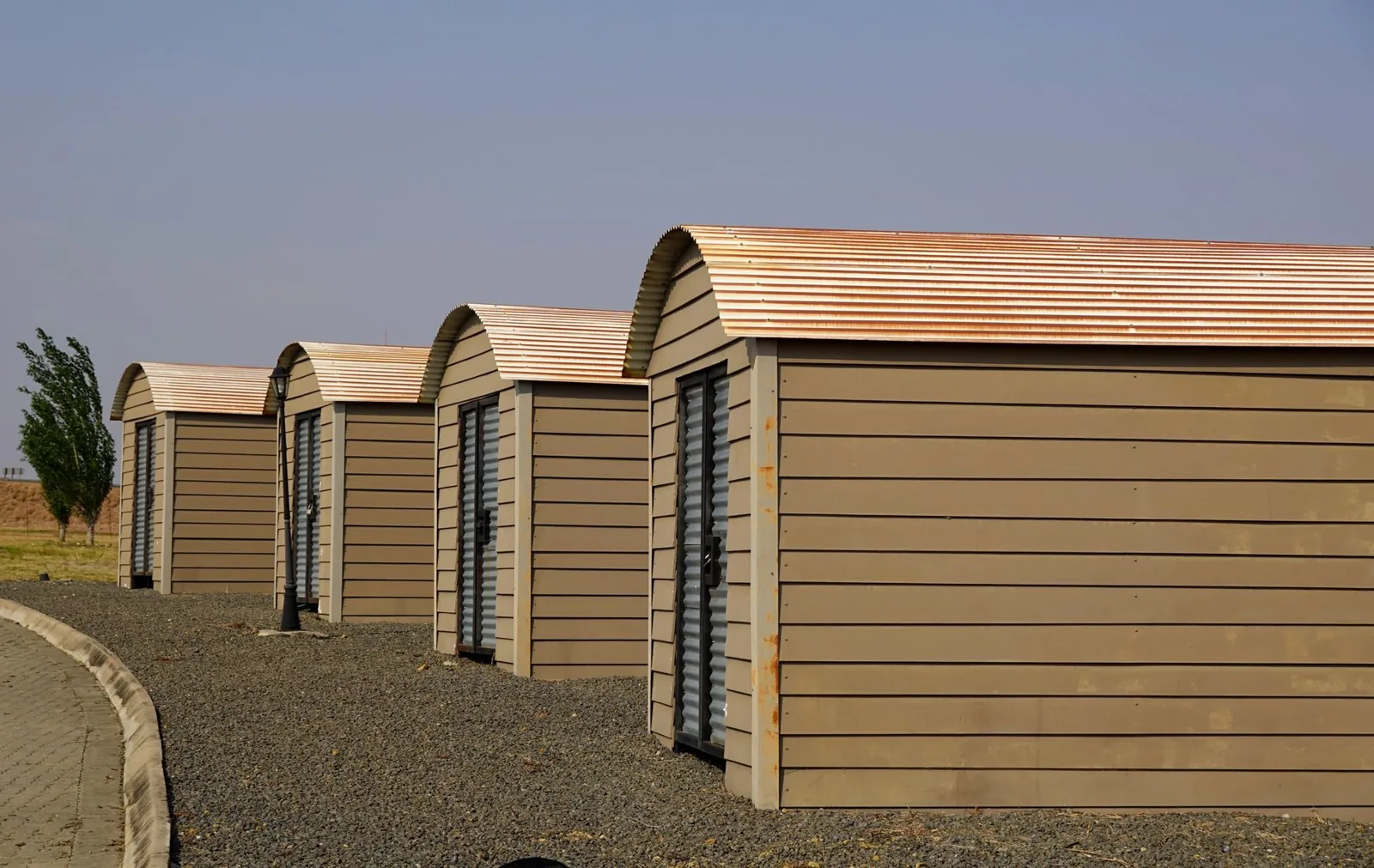
Photo by Magda Ehlers via Pexels
Material Costs at Every Size
The same footprint can double in price depending on what the walls are made of. Here is how the three main materials stack up.
- Resin (plastic) — cheapest, maintenance-free, won’t rot or rust. Best for small to mid sizes. Limited color options, can fade in strong sun.
- Metal (galvanized steel) — affordable, fire-resistant, secure. Noisy in rain, prone to condensation, and thin panels dent easily.
- Wood — the classic look, strongest, and the easiest to customize, insulate, and paint. Costs the most, and it requires ongoing upkeep to prevent rot.
For a 10×12 shed, that translates to roughly $1,200 to $2,000 for resin, $1,400 to $2,600 for metal, and $2,000 to $4,200 for wood. If you plan to keep the shed for 15-plus years and care how it looks from the house, wood usually justifies the premium. If the goal is low-cost, low-effort storage, resin wins.
Hidden Costs That Change the Total
The sticker price on a shed kit is rarely what you actually spend. Budget for these before you commit:
- Foundation — blocks cost $50–$200 in materials, gravel $200–$600, concrete $800–$2,000.
- Permits — $50–$500 in municipalities that require one, usually for sheds over 120 square feet.
- Delivery — free from big-box stores within a radius, but $100–$400 for local dealers or long hauls.
- Site prep — leveling a sloped yard can add $200–$800 in labor and fill.
- Electrical — running a circuit for lights and outlets typically adds $500–$1,500.
- Flooring — many metal and resin kits need a separate floor kit, $100–$400.
If the shed is going to hold expensive gear — tools, a mower, seasonal decorations — a little planning now saves money later. Proper ventilation and a decent floor keep moisture out, and a dry interior is what makes the difference between storage that lasts and storage that rusts. For help keeping everything inside organized once it is up, our garage organizer ideas guide applies just as well to sheds.
Should You DIY or Hire Installation?
Most resin and metal sheds under 10×12 are genuinely DIY-friendly. A Keter or Suncast resin shed uses interlocking panels and can be up in an afternoon. Metal sheds from Arrow or ShelterLogic take a bit longer — figure a full weekend — but require only basic tools.
Wood sheds are a different story. A 10×12 wood kit ships as pre-cut panels and hardware, which sounds easy until you realize the floor must be perfectly square or the walls will not meet. Two competent DIYers can manage it over a weekend, but if the site is uneven or you want a concrete pad, hiring out is the safer call. Professional assembly runs $300 to $1,500, and most local shed dealers bundle delivery and setup into the quoted price.
The same trade-off applies if you are weighing a shed against something larger like a carport, which may make more sense for vehicle storage at a comparable budget.
Frequently Asked Questions
How much does a 10×12 shed cost installed?
Plan on $2,500 to $6,500 for a typical 10×12 shed installed, including delivery, a basic gravel or block foundation, and assembly. Resin and metal models sit at the low end of that range; wood and vinyl sit at the high end. A concrete slab will push the total toward $7,000 or more.
What is the cheapest shed size to buy?
Small resin sheds are the cheapest to buy and own. A 6×4 or 8×6 resin kit from Suncast, Keter, or Rubbermaid runs $300 to $900, needs no permit in most areas, and sits on simple paver blocks. Larger is rarely cheaper per square foot — but you pay for usable space, not raw area.
Do I need a permit for a larger shed?
Usually not under 120 square feet, but rules vary by city and county. Many municipalities also cap shed height (often 12 to 15 feet) and set setback requirements from property lines. Check with your local building department before ordering a 10×12 or larger shed — it is a five-minute call that can save a $500 fine.
Is it cheaper to build a shed from scratch or buy a kit?
A kit is almost always cheaper once you account for your time and for buying lumber at retail prices. Scratch-building a 10×12 wood shed typically costs $1,500 to $3,500 in materials alone, versus $2,000 to $4,200 for a complete kit — and the kit comes with engineered plans and pre-cut parts. If you already own tools and want something fully custom, building makes sense; for speed and predictability, buy the kit.
How long does a shed last?
A well-built wood shed on a proper foundation lasts 20 to 30 years with basic maintenance. Resin sheds typically last 15 to 25 years and need almost no upkeep, while metal sheds last 10 to 20 years depending on the coating and local humidity. Foundation quality matters more than the wall material for longevity — a shed that stays dry will outlast a fancier one that sits in the mud.
The Bottom Line
Shed cost by size comes down to a simple rule: figure out the footprint you actually need, then budget for the foundation and assembly the size demands. A 6×4 or 8×6 resin shed is a sub-$1,000, afternoon project that solves a clutter problem. A 10×12 is a legitimate mid-range purchase worth doing right, and anything over 12×16 deserves the same planning you would give a garage door installation or a small home addition.
Before you buy, measure your gear, not just your yard. Pile everything you want to store in one spot on the driveway, outline a footprint around it with a tape measure, and add 20 percent for walking room and future purchases. That number — not a sale price — should decide which shed you buy. For more on sizing up your outdoor storage options, see our guide to the shed vs. garage decision and the detailed cost breakdown at This Old House.